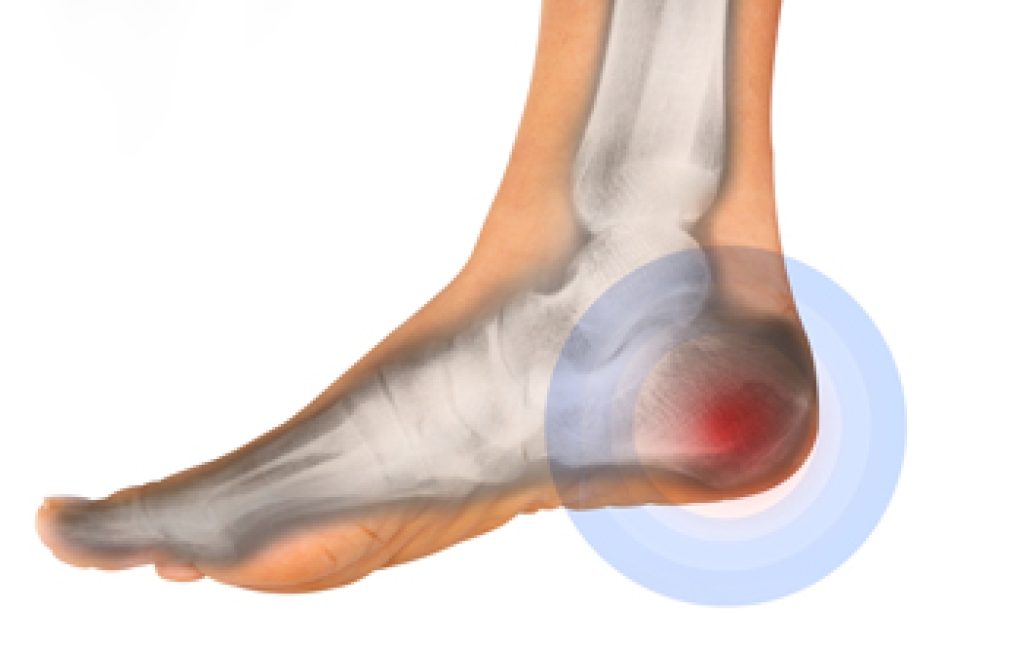
A bruised heel bone happens when it absorbs excessive force that overwhelms the natural cushioning protecting it while walking and standing. This type of injury often develops after repetitive impact from running, jumping, or spending long hours on hard surfaces. It can also result from a sudden hard landing on the heel. Risk factors include changes in activity level, reduced shock absorption in footwear, increased body weight, and age-related thinning of the heel pad. Symptoms include deep heel soreness, tenderness with pressure, and pain that intensifies with weight bearing. A podiatrist can determine whether the pain is caused by a bruise or another condition, assess foot mechanics, and identify factors that increase heel stress. Treatment may include protective strategies, supportive devices, and a structured plan to reduce pressure on the heel. If you feel pain in your heel bone, it is suggested that you make an appointment with a podiatrist for an exam, diagnosis, and treatment.
Many people suffer from bouts of heel pain. For more information, contact Kenneth Donovan, DPM of Advanced Care Foot and Ankle. Our doctor can provide the care you need to keep you pain-free and on your feet.
Causes of Heel Pain
Heel pain is often associated with plantar fasciitis. The plantar fascia is a band of tissues that extends along the bottom of the foot. A rip or tear in this ligament can cause inflammation of the tissue.
Achilles tendonitis is another cause of heel pain. Inflammation of the Achilles tendon will cause pain from fractures and muscle tearing. Lack of flexibility is also another symptom.
Heel spurs are another cause of pain. When the tissues of the plantar fascia undergo a great deal of stress, it can lead to ligament separation from the heel bone, causing heel spurs.
Why Might Heel Pain Occur?
- Wearing ill-fitting shoes
- Wearing non-supportive shoes
- Weight change
- Excessive running
Treatments
Heel pain should be treated as soon as possible for immediate results. Keeping your feet in a stress-free environment will help. If you suffer from Achilles tendonitis or plantar fasciitis, applying ice will reduce the swelling. Stretching before an exercise like running will help the muscles. Using all these tips will help make heel pain a condition of the past.
If you have any questions, please feel free to contact our office located in Charleston, SC . We offer the newest diagnostic and treatment technologies for all your foot care needs.
