Causes and Symptoms of Heel Pain

Heel pain is often caused by plantar fasciitis, which is irritation of the thick band of tissue along the bottom of the foot. Another frequent cause of heel pain is Achilles tendonitis, inflammation of the tendon at the back of the heel. Stress fractures from repeated impact, and arthritis, which involves joint wear and stiffness, may also be factors. Nerve irritation, poor circulation, and long periods of standing sometimes play a role. Symptoms include sharp pain with the first steps in the morning and soreness after activity. Swelling or tenderness when pressure is applied to the heel may also occur. Some people notice a dull ache that worsens over time. A podiatrist can evaluate the foot and review symptoms. Imaging may be used to determine the cause. Treatment plans include orthotics, bracing, and guidance to reduce strain and improve foot function. If you have heel pain, it is suggested that you schedule an appointment with a podiatrist for a diagnosis and appropriate treatment plan.

Many people suffer from bouts of heel pain. For more information, contact Kenneth Donovan, DPM of Advanced Care Foot and Ankle. Our doctor can provide the care you need to keep you pain-free and on your feet.

Causes of Heel Pain

Heel pain is often associated with plantar fasciitis. The plantar fascia is a band of tissues that extends along the bottom of the foot. A rip or tear in this ligament can cause inflammation of the tissue.

Achilles tendonitis is another cause of heel pain. Inflammation of the Achilles tendon will cause pain from fractures and muscle tearing. Lack of flexibility is also another symptom.

Heel spurs are another cause of pain. When the tissues of the plantar fascia undergo a great deal of stress, it can lead to ligament separation from the heel bone, causing heel spurs.

Why Might Heel Pain Occur?

  • Wearing ill-fitting shoes                
  • Wearing non-supportive shoes
  • Weight change           
  • Excessive running

Treatments

Heel pain should be treated as soon as possible for immediate results. Keeping your feet in a stress-free environment will help. If you suffer from Achilles tendonitis or plantar fasciitis, applying ice will reduce the swelling. Stretching before an exercise like running will help the muscles. Using all these tips will help make heel pain a condition of the past.

If you have any questions, please feel free to contact our office located in Charleston, SC . We offer the newest diagnostic and treatment technologies for all your foot care needs.

Read more about Heel Pain

How Osteoarthritis Increases Fall Risk

Osteoarthritis can increase the risk of falling due to joint damage, stiffness, and reduced function that affect balance and mobility. As cartilage wears down, pain and a limited range of motion make walking and standing less stable. Poor mobility and weakened muscles can further contribute to instability, especially on uneven surfaces. Certain medications may also cause dizziness or affect coordination. Preventing falls involves creating a safer home by removing hazards, improving lighting, and using supportive footwear. Regular exercise can strengthen muscles and improve balance, while reviewing medications with a healthcare provider can reduce side effects. A podiatrist can assess gait, recommend proper footwear, and provide custom orthotics to enhance stability. If you have fallen or fear falling, it is suggested that you consult a podiatrist who can offer additional effective fall prevention tips.

Preventing falls among the elderly is very important. If you are older and have fallen or fear that you are prone to falling, consult with Kenneth Donovan, DPM from Advanced Care Foot and Ankle. Our doctor will assess your condition and provide you with quality advice and care.

Every 11 seconds, an elderly American is being treated in an emergency room for a fall related injury. Falls are the leading cause of head and hip injuries for those 65 and older. Due to decreases in strength, balance, senses, and lack of awareness, elderly persons are very susceptible to falling. Thankfully, there are a number of things older persons can do to prevent falls.

How to Prevent Falls

Some effective methods that older persons can do to prevent falls include:

  • Enrolling in strength and balance exercise program to increase balance and strength
  • Periodically having your sight and hearing checked
  • Discuss any medications you have with a doctor to see if it increases the risk of falling
  • Clearing the house of falling hazards and installing devices like grab bars and railings
  • Utilizing a walker or cane
  • Wearing shoes that provide good support and cushioning
  • Talking to family members about falling and increasing awareness

Falling can be a traumatic and embarrassing experience for elderly persons; this can make them less willing to leave the house, and less willing to talk to someone about their fears of falling. Doing such things, however, will increase the likelihood of tripping or losing one’s balance. Knowing the causes of falling and how to prevent them is the best way to mitigate the risk of serious injury.  

If you have any questions, please feel free to contact our office located in Charleston, SC . We offer the newest diagnostic and treatment technologies for all your foot care needs.
Read more about Falls Prevention

Understanding Bunions From Cause to Care

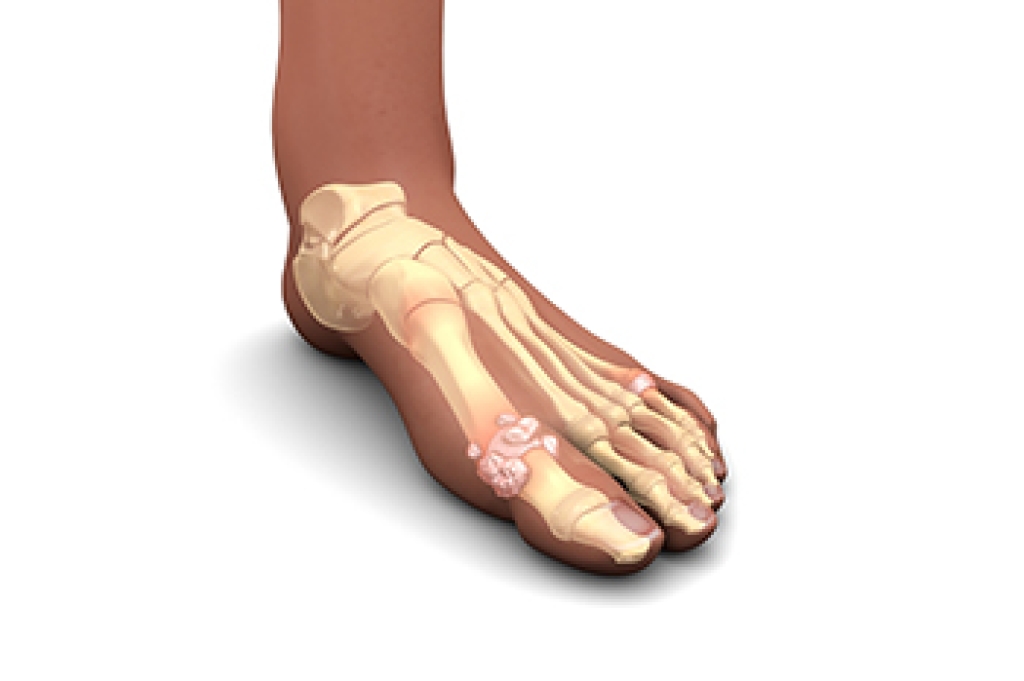
Bunions develop when the big toe shifts out of alignment, creating a visible bump at the base of the toe, and often leading to discomfort. This change can be influenced by foot structure, inherited traits, footwear choices, and the way pressure is placed on the foot over time. As the joint moves, surrounding tissues can become irritated, making walking and wearing shoes more difficult. A thorough evaluation looks beyond the bump itself to understand what is driving the change, including how the foot functions during movement. Care is tailored to each individual and may include shoe modifications, padding, custom orthotics, or exercises to improve support and reduce strain. When conservative measures are no longer effective, surgical correction may be considered to realign the joint and relieve pain. If a bunion is causing discomfort or limiting activity, it is suggested that you see a podiatrist for a proper diagnosis and appropriate treatment.

If you are suffering from bunion pain, contact Kenneth Donovan, DPM of Advanced Care Foot and Ankle. Our doctor can provide the care you need to keep you pain-free and on your feet.

What Is a Bunion?

Bunions are painful bony bumps that usually develop on the inside of the foot at the joint of the big toe. As the deformity increases over time, it may become painful to walk and wear shoes. Women are more likely to exacerbate existing bunions since they often wear tight, narrow shoes that shift their toes together. Bunion pain can be relieved by wearing wider shoes with enough room for the toes.

Causes

  • Genetics – some people inherit feet that are more prone to bunion development
  • Inflammatory Conditions - rheumatoid arthritis and polio may cause bunion development

Symptoms

  • Redness and inflammation
  • Pain and tenderness
  • Callus or corns on the bump
  • Restricted motion in the big toe

In order to diagnose your bunion, your podiatrist may ask about your medical history, symptoms, and general health. Your doctor might also order an x-ray to take a closer look at your feet. Nonsurgical treatment options include orthotics, padding, icing, changes in footwear, and medication. If nonsurgical treatments don’t alleviate your bunion pain, surgery may be necessary.

If you have any questions, please feel free to contact our office located in Charleston, SC . We offer the newest diagnostic and treatment technologies for all your foot care needs.
Read more about What Are Bunions?

Get Professional Care for a Broken Foot or Ankle

Constant care and regular evaluation are important for a foot or ankle fracture. If left untreated, foot or ankle fractures can worsen over time and create more serious problems.

Don't wait to be examined if you believe you've experienced a foot or ankle fracture.

Why Seeing a Podiatrist Matters When Foot Pain Starts

Foot pain is easy to ignore at first. Many people assume it will go away on its own or blame it on being on their feet too long. However, pain in the foot is often a sign that something is not working properly. Problems such as plantar fasciitis, tendon strain, arthritis, stress fractures, or nerve irritation can all begin with mild discomfort. Without treatment, these conditions may gradually worsen and begin to affect walking, balance, and daily activity. A podiatrist is a medical specialist trained to diagnose and treat conditions of the foot and ankle. They can identify the cause of pain through a physical exam, imaging, and a review of your activity and footwear. Early care often leads to simpler treatment and faster relief. If you are experiencing ongoing foot pain, swelling, or tenderness, it is suggested you schedule an appointment with a podiatrist who can provide a diagnosis and appropriate treatment needed to keep you active and comfortable.

Foot Pain

Foot pain can be extremely painful and debilitating. If you have a foot pain, consult with Kenneth Donovan, DPM from Advanced Care Foot and Ankle. Our doctor will assess your condition and provide you with quality foot and ankle treatment.

Causes

Foot pain is a very broad condition that could be caused by one or more ailments. The most common include:

  • Bunions
  • Hammertoes
  • Plantar Fasciitis
  • Bone Spurs
  • Corns
  • Tarsal Tunnel Syndrome
  • Ingrown Toenails
  • Arthritis (such as Gout, Rheumatoid, and Osteoarthritis)
  • Flat Feet
  • Injury (from stress fractures, broken toe, foot, ankle, Achilles tendon ruptures, and sprains)
  • And more

Diagnosis

To figure out the cause of foot pain, podiatrists utilize several different methods. This can range from simple visual inspections and sensation tests to X-rays and MRI scans. Prior medical history, family medical history, and any recent physical traumatic events will all be taken into consideration for a proper diagnosis.

Treatment

Treatment depends upon the cause of the foot pain. Whether it is resting, staying off the foot, or having surgery; podiatrists have a number of treatment options available for foot pain.

If you have any questions, please feel free to contact our office located in Charleston, SC . We offer the newest diagnostic and treatment technologies for all your foot care needs.

Read more about Foot Pain

Connect With Us