
Gout is a painful, inflammatory form of arthritis. Those affected will typically feel an intense stiffness in the joints of their feet, particularly in the big toe. Schedule a visit to learn about how gout can be managed and treated.
Gout is a painful, inflammatory form of arthritis. Those affected will typically feel an intense stiffness in the joints of their feet, particularly in the big toe. Schedule a visit to learn about how gout can be managed and treated.

Bunions, plantar fasciitis, and Morton’s neuroma are frequent causes of foot pain. Each condition affects the foot differently and may develop from pressure, structural concerns, or repeated stress. Recognizing symptoms early can help you seek care before discomfort interferes with walking, exercise, or work. A podiatrist can provide helpful guidance.
A bunion is a prominence that develops at the base of the big toe when the joint moves out of alignment. Symptoms can include swelling, redness, and difficulty wearing shoes. Family history and narrow footwear can increase risk. Plantar fasciitis involves irritation of the plantar fascia, the tissue supporting the bottom of the foot. It commonly causes heel pain that is worse with the first steps after rest. Repetitive activity, tight calf muscles, and unsupportive shoes may contribute.
Morton’s neuroma is a thickening or irritation of tissue around a nerve between the third and fourth toes. Symptoms may include burning pain, tingling, or a feeling that something is inside the shoe. High-heeled or narrow shoes can increase pressure on the forefoot. Activities involving repeated impact can raise risk. Similar symptoms can come from different conditions and require different treatments.
A podiatrist begins by discussing your symptoms, activities, and medical history. A physical examination can identify tenderness, alignment changes, or movement problems. Imaging tests may be recommended to confirm a diagnosis or rule out another condition. Treatment may include wearing supportive footwear, activity changes, or orthotics. If you have foot pain or a known foot disorder, it is suggested that you consult a podiatrist for an accurate diagnosis and appropriate treatment.
Foot Pain
Foot pain can be extremely painful and debilitating. If you have a foot pain, consult with Kenneth Donovan, DPM from Advanced Care Foot and Ankle. Our doctor will assess your condition and provide you with quality foot and ankle treatment.
Causes
Foot pain is a very broad condition that could be caused by one or more ailments. The most common include:
Diagnosis
To figure out the cause of foot pain, podiatrists utilize several different methods. This can range from simple visual inspections and sensation tests to X-rays and MRI scans. Prior medical history, family medical history, and any recent physical traumatic events will all be taken into consideration for a proper diagnosis.
Treatment
Treatment depends upon the cause of the foot pain. Whether it is resting, staying off the foot, or having surgery; podiatrists have a number of treatment options available for foot pain.
If you have any questions, please feel free to contact our office located in Charleston, SC . We offer the newest diagnostic and treatment technologies for all your foot care needs.
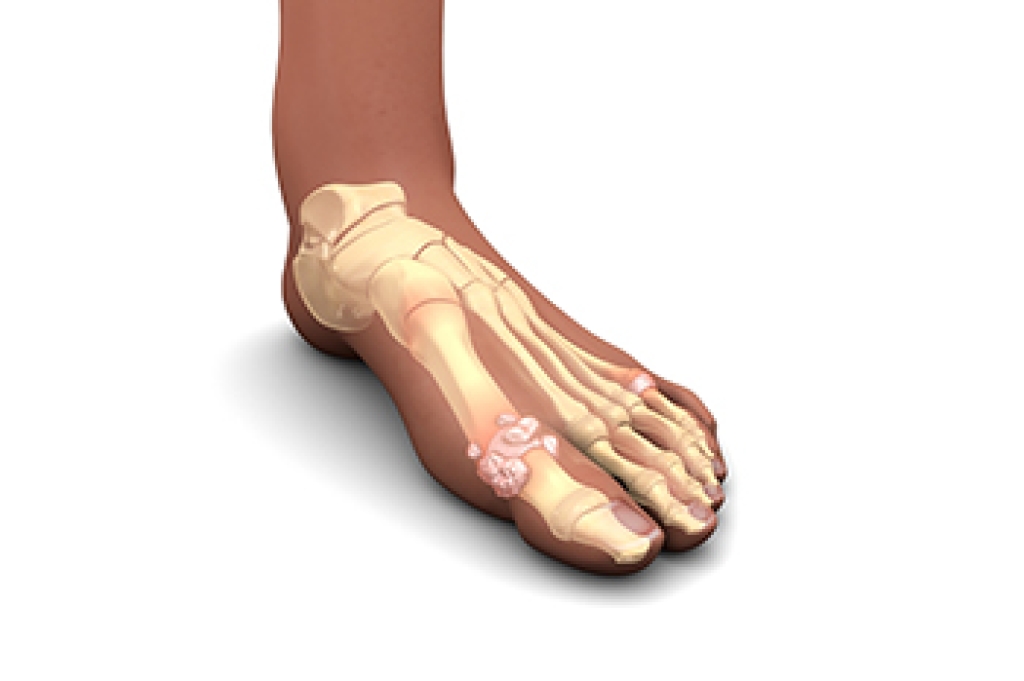
Gout is a form of inflammatory arthritis that often affects the feet, especially the big toe. It develops when uric acid builds up in the blood and forms sharp crystals inside a joint. These crystals trigger inflammation, causing sudden pain, and tenderness. An attack may begin overnight and make walking uncomfortable. Repeated attacks can eventually damage joints or cause tophi, which are firm uric acid deposits beneath the skin.
Several risk factors can increase the chance of developing gout. Family history may raise susceptibility, while obesity, kidney disease, and high blood pressure can also contribute. Certain medications may affect uric acid levels. Regular alcohol use and frequent consumption of purine-rich foods, including some meats and seafood, may increase risk. Dehydration can also contribute to flare-ups. Gout is not caused by one food alone. Genetics, health conditions, and lifestyle habits can all influence uric acid levels.
A podiatrist begins by reviewing your symptoms and medical history, then examining the affected foot. Testing or imaging may be recommended to support the diagnosis and rule out other causes of joint pain. During a gout attack, treatment may include medication to reduce inflammation and control pain. For recurring attacks, your podiatrist may discuss long-term uric acid management. Guidance about hydration, nutrition, and weight management can also help reduce future problems.
Gout can be painful, but recognizing symptoms early gives you an opportunity to seek care before attacks become more frequent. Sudden big-toe pain, swelling, or warmth should not be ignored, especially when symptoms return. A podiatrist can determine whether gout is responsible and create a treatment plan based on your needs. With appropriate care, many people can reduce flare-ups and protect their joints. If you have had one or more gout attacks, it is suggested that you are under the care of a podiatrist who can help you to manage this painful condition.
Gout is a foot condition that requires certain treatment and care. If you are seeking treatment, contact Kenneth Donovan, DPM from Advanced Care Foot and Ankle. Our doctor will treat your foot and ankle needs.
What Is Gout?
Gout is a type of arthritis caused by a buildup of uric acid in the bloodstream. It often develops in the foot, especially the big toe area, although it can manifest in other parts of the body as well. Gout can make walking and standing very painful and is especially common in diabetics and the obese.
People typically get gout because of a poor diet. Genetic predisposition is also a factor. The children of parents who have had gout frequently have a chance of developing it themselves.
Gout can easily be identified by redness and inflammation of the big toe and the surrounding areas of the foot. Other symptoms include extreme fatigue, joint pain, and running high fevers. Sometimes corticosteroid drugs can be prescribed to treat gout, but the best way to combat this disease is to get more exercise and eat a better diet.
If you have any questions, please feel free to contact our office located in Charleston, SC . We offer the newest diagnostic and treatment technologies for all your foot care needs.
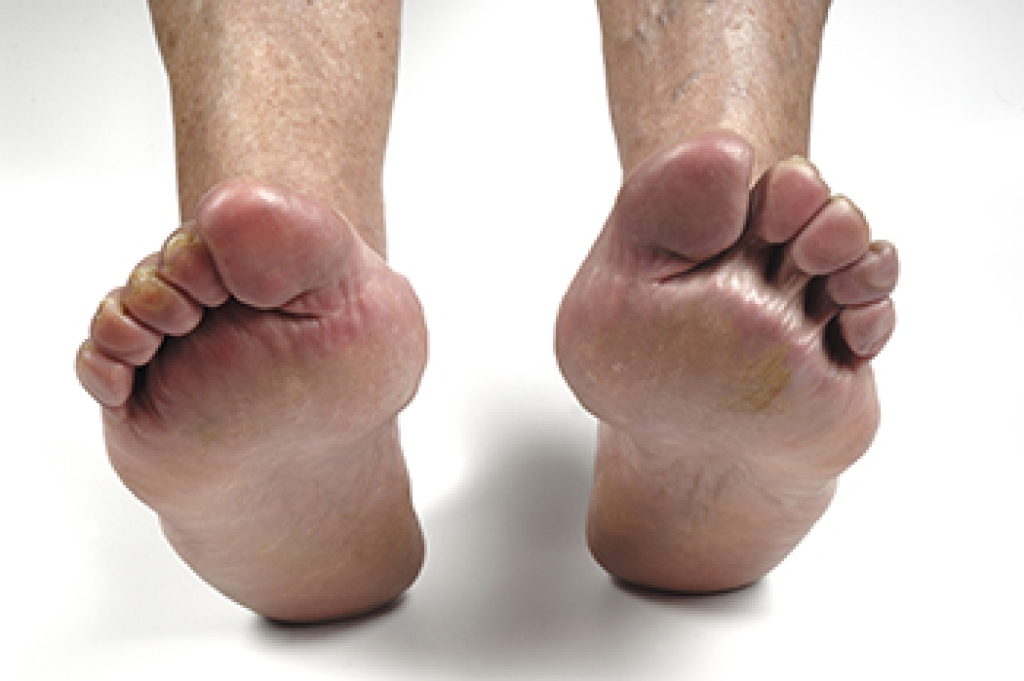
Rheumatoid arthritis, or RA, is a long-term autoimmune disease that can affect joints throughout the body. An autoimmune disease occurs when the immune system mistakenly attacks healthy tissues. RA often begins in the small joints of the hands and feet, and more than 90 percent of people with the disease eventually develop foot or ankle symptoms. In the joints, RA causes inflammation that can damage cartilage and weaken the tissues that provide support. Foot and ankle symptoms may include pain, swelling, and stiffness. Unlike some other forms of arthritis, RA commonly affects the same joints on both sides of the body.
As rheumatoid arthritis progresses, it can affect several areas of the foot and ankle. Ankle involvement may make stairs or inclines difficult, while advanced disease can make ordinary walking painful. In the middle of the foot, weakened ligaments can cause the arch to collapse and change the shape of the foot. RA can also contribute to bunions, claw toes, and pain under the ball of the foot. These structural changes may create areas of abnormal pressure and make wearing shoes uncomfortable. Joint stiffness can also increase as cartilage damage progresses, further limiting comfortable foot movement.
A podiatrist can evaluate how rheumatoid arthritis is affecting the feet and ankles by examining areas of tenderness, joint flexibility, and changes in foot shape. Imaging may also be needed to assess the bones or surrounding soft tissues. Treatment for foot symptoms depends on the location of pain and the amount of joint damage. Professional options include custom orthotics or other supportive devices to decrease pressure and improve comfort. If rheumatoid arthritis is causing persistent foot or ankle pain that affects your mobility, it is suggested that you consult a podiatrist for an evaluation and appropriate treatment options.
Because RA affects more than just your joints, including the joints in your feet and ankles, it is important to seek early diagnosis from your podiatrist if you feel like the pain in your feet might be caused by RA. For more information, contact Kenneth Donovan, DPM of Advanced Care Foot and Ankle. Our doctor will assist you with all of your podiatric concerns.
What Is Rheumatoid Arthritis?
Rheumatoid Arthritis (RA) is an autoimmune disorder in which the body’s own immune system attacks the membranes surrounding the joints. Inflammation of the lining and eventually the destruction of the joint’s cartilage and bone occur, causing severe pain and immobility.
Rheumatoid Arthritis of the Feet
Although RA usually attacks multiple bones and joints throughout the entire body, almost 90 percent of cases result in pain in the foot or ankle area.
Symptoms
Diagnosis
Quick diagnosis of RA in the feet is important so that the podiatrist can treat the area effectively. Your doctor will ask you about your medical history, occupation, and lifestyle to determine the origin of the condition. Rheumatoid Factor tests help to determine if someone is affected by the disease.
If you have any questions, please feel free to contact our office located in Charleston, SC . We offer the newest diagnostic and treatment technologies for all your foot care needs.
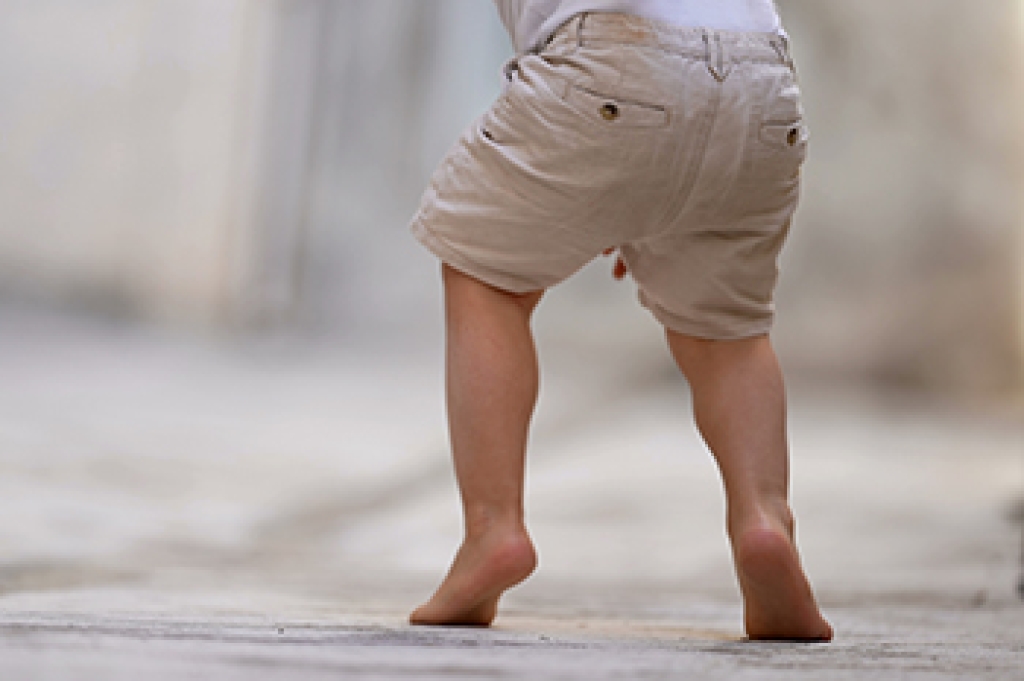
Toe walking means a child walks on their tiptoes without letting their heels touch the ground. It can happen some, most, or all of the time. Toe walking can be part of normal development, and many children stop doing it between ages two and seven. However, continued toe walking deserves attention, especially when it affects balance, comfort, or the way a child moves. When there is no clear medical cause, it is called idiopathic toe walking. In a small number of children, toe walking can be linked to conditions that affect the brain, nerves, or muscles. These include cerebral palsy, muscular dystrophy, and autism spectrum disorder. A podiatrist can assess your child’s feet, legs, and walking pattern. They can also check muscle strength and flexibility to determine whether further evaluation is needed.
Frequent toe walking can be associated with tight calf muscles, which connect with the heel. Tight calves can make it harder for a child to place the heels flat on the ground when standing or walking. A podiatrist can help identify whether tight muscles, foot structure, or another concern is contributing to toe walking. This evaluation also helps determine whether the child’s walking pattern is changing or causing problems with everyday activities. Treatment options may include regular monitoring and supportive footwear.
Parents should seek professional advice when toe walking is apparent mainly on one side or if it begins suddenly after a child previously walked with their heels down. An exam also may be needed if the heels are prevented from touching the ground while standing. Attention is important when a child has stiff legs, unusual movements, or pain. A podiatrist can monitor changes in walking and recommend treatment when necessary. If your child exhibits toe walking on a regular basis, it is suggested that you schedule an appointment with a podiatrist for a diagnosis and appropriate treatment.
Making sure that your children maintain good foot health is very important as they grow. If you have any questions, contact Kenneth Donovan, DPM of Advanced Care Foot and Ankle. Our doctor can provide the care you need to keep you pain-free and on your feet.
Keeping Children's Feet Healthy
Having healthy feet during childhood can help prevent medical problems later in life, namely in the back and legs. As children grow, their feet require different types of care. Here are some things to consider...
Although babies do not walk yet, it is still very important to take care of their feet.
Avoid putting tight shoes or socks on his or her feet.
Allow the baby to stretch and kick his or her feet to feel comfortable.
As a toddler, kids are now on the move and begin to develop differently. At this age, toddlers are getting a feel for walking, so don’t be alarmed if your toddler is unsteady or ‘walks funny’.
As your child gets older, it is important to teach them how to take care of their feet.
Show them proper hygiene to prevent infections such as fungus.
Be watchful for any pain or injury.
Have all injuries checked by a doctor as soon as possible.
Comfortable, protective shoes should always be worn, especially at play.
If you have any questions, please feel free to contact our office located in Charleston, SC . We offer the newest diagnostic and treatment technologies for all your foot care needs.
Connect With Us
