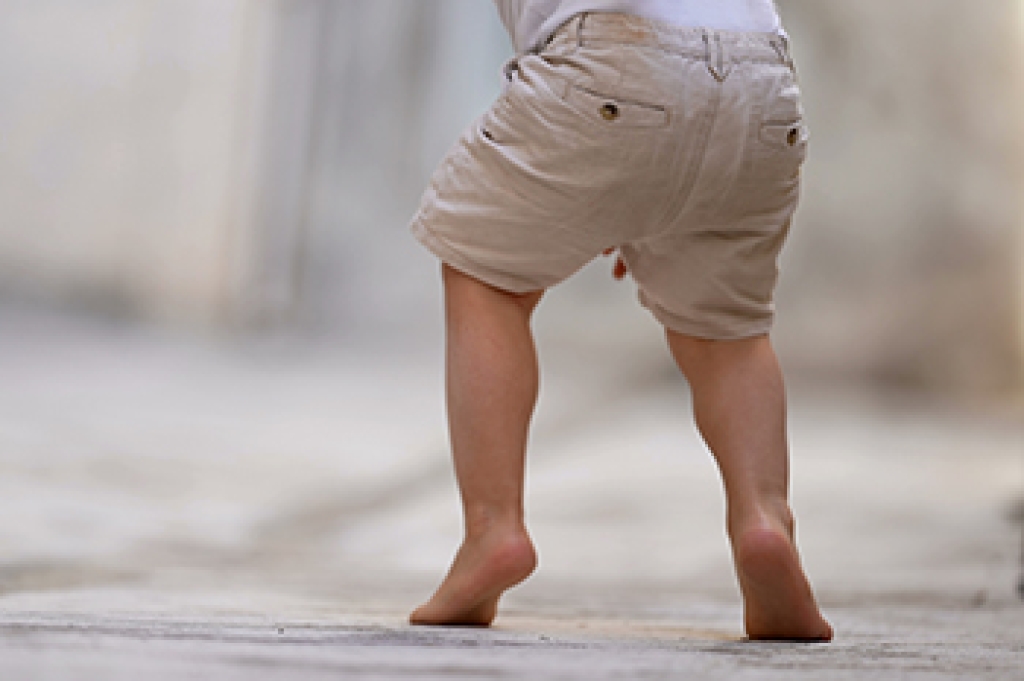
Causes of a Bruised Heel Bone

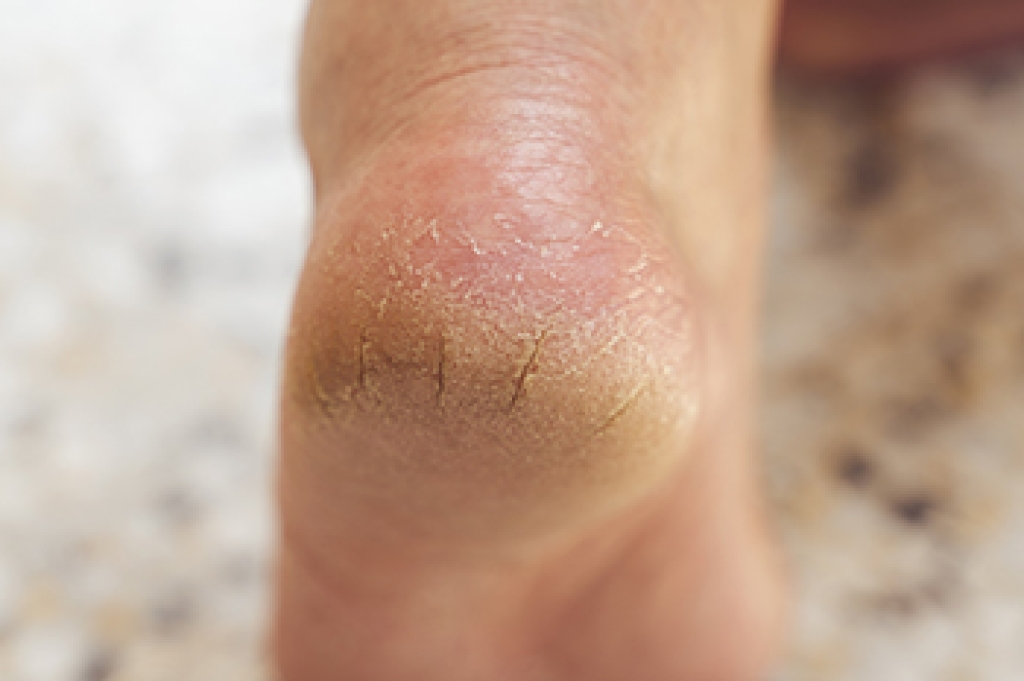
A bruised heel bone happens when it absorbs excessive force that overwhelms the natural cushioning protecting it while walking and standing. This type of injury often develops after repetitive impact from running, jumping, or spending long hours on hard surfaces. It can also result from a sudden hard landing on the heel. Risk factors include changes in activity level, reduced shock absorption in footwear, increased body weight, and age-related thinning of the heel pad. Symptoms include deep heel soreness, tenderness with pressure, and pain that intensifies with weight bearing. A podiatrist can determine whether the pain is caused by a bruise or another condition, assess foot mechanics, and identify factors that increase heel stress. Treatment may include protective strategies, supportive devices, and a structured plan to reduce pressure on the heel. If you feel pain in your heel bone, it is suggested that you make an appointment with a podiatrist for an exam, diagnosis, and treatment.

Many people suffer from bouts of heel pain. For more information, contact Kenneth Donovan, DPM of Advanced Care Foot and Ankle. Our doctor can provide the care you need to keep you pain-free and on your feet.

Causes of Heel Pain

Heel pain is often associated with plantar fasciitis. The plantar fascia is a band of tissues that extends along the bottom of the foot. A rip or tear in this ligament can cause inflammation of the tissue.

Achilles tendonitis is another cause of heel pain. Inflammation of the Achilles tendon will cause pain from fractures and muscle tearing. Lack of flexibility is also another symptom.

Heel spurs are another cause of pain. When the tissues of the plantar fascia undergo a great deal of stress, it can lead to ligament separation from the heel bone, causing heel spurs.

Why Might Heel Pain Occur?

  • Wearing ill-fitting shoes                
  • Wearing non-supportive shoes
  • Weight change           
  • Excessive running

Treatments

Heel pain should be treated as soon as possible for immediate results. Keeping your feet in a stress-free environment will help. If you suffer from Achilles tendonitis or plantar fasciitis, applying ice will reduce the swelling. Stretching before an exercise like running will help the muscles. Using all these tips will help make heel pain a condition of the past.

If you have any questions, please feel free to contact our office located in Charleston, SC . We offer the newest diagnostic and treatment technologies for all your foot care needs.
Read more about Heel Pain

Ankle Pain in Ice Skating

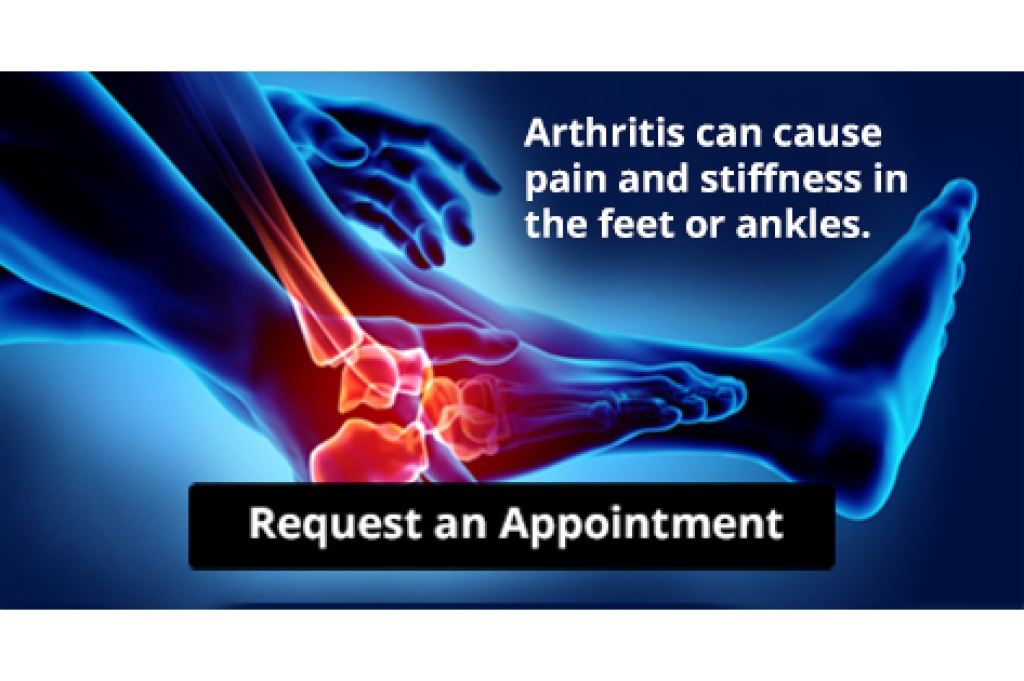
Ankle pain is common among ice skaters due to abrupt starts and stops, repetitive movements, and long hours spent on the ice. These actions place continuous stress on the ankle joints and surrounding muscles, which can lead to inflammation and discomfort. Prevention begins with using properly fitting skates that offer the right degree of flexibility to support the ankle without restricting natural movement. Strengthening and stretching exercises also help improve stability and reduce strain during skating sessions. A podiatrist can assess ankle alignment, identify overuse issues, and recommend custom supports or treatment to relieve pain and prevent further injury. If you have sustained an ankle injury from ice skating, it is suggested that you consult a podiatrist who can offer effective relief, treatment and prevention tips. 

Sports related foot and ankle injuries require proper treatment before players can go back to their regular routines. For more information, contact Kenneth Donovan, DPM of Advanced Care Foot and Ankle. Our doctor can provide the care you need to keep you pain-free and on your feet.

Sports Related Foot and Ankle Injuries

Foot and ankle injuries are a common occurrence when it comes to athletes of any sport. While many athletes dismiss the initial aches and pains, the truth is that ignoring potential foot and ankle injuries can lead to serious problems. As athletes continue to place pressure and strain the area further, a mild injury can turn into something as serious as a rupture and may lead to a permanent disability. There are many factors that contribute to sports related foot and ankle injuries, which include failure to warm up properly, not providing support or wearing bad footwear. Common injuries and conditions athletes face, including:

  • Plantar Fasciitis
  • Achilles Tendinitis
  • Achilles Tendon Rupture
  • Ankle Sprains

Sports related injuries are commonly treated using the RICE method. This includes rest, applying ice to the injured area, compression and elevating the ankle. More serious sprains and injuries may require surgery, which could include arthroscopic and reconstructive surgery. Rehabilitation and therapy may also be required in order to get any recovering athlete to become fully functional again. Any unusual aches and pains an athlete sustains must be evaluated by a licensed, reputable medical professional.

If you have any questions please contact our office located in Charleston, SC . We offer the newest diagnostic and treatment technologies for all your foot and ankle needs.

Read more about Sports Related Foot And Ankle Injuries

Sesamoiditis Causes and Symptoms

Sesamoiditis is a painful foot condition that affects the sesamoid bones, which are two small bones located beneath the base of the big toe. These bones help absorb pressure and assist with movement during walking and push off. When they become inflamed, pain can develop around the ball of the foot, especially under the base of the big toe. Common symptoms include aching or sharp pain while walking, standing, or bending the toe, along with swelling and tenderness in the area. Sesamoiditis is often caused by repetitive stress, high impact activities, or increased pressure on the forefoot. A podiatrist can diagnose the condition, recommend activity modification, provide protective padding or orthotics, and develop a treatment plan to reduce inflammation. If you have pain under your big toe, it is suggested you schedule a visit with a podiatrist who can accurately diagnose and treat what may be going on.

Sesamoiditis is an unpleasant foot condition characterized by pain in the balls of the feet. If you think you’re struggling with sesamoiditis, contact Kenneth Donovan, DPM of Advanced Care Foot and Ankle. Our doctor will treat your condition thoroughly and effectively.

Sesamoiditis

Sesamoiditis is a condition of the foot that affects the ball of the foot. It is more common in younger people than it is in older people. It can also occur with people who have begun a new exercise program, since their bodies are adjusting to the new physical regimen. Pain may also be caused by the inflammation of tendons surrounding the bones. It is important to seek treatment in its early stages because if you ignore the pain, this condition can lead to more serious problems such as severe irritation and bone fractures.

Causes of Sesamoiditis

  • Sudden increase in activity
  • Increase in physically strenuous movement without a proper warm up or build up
  • Foot structure: those who have smaller, bonier feet or those with a high arch may be more susceptible

Treatment for sesamoiditis is non-invasive and simple. Doctors may recommend a strict rest period where the patient forgoes most physical activity. This will help give the patient time to heal their feet through limited activity. For serious cases, it is best to speak with your doctor to determine a treatment option that will help your specific needs.

If you have any questions, please feel free to contact our office located in Charleston, SC . We offer the newest diagnostic and treatment technologies for all your foot care needs.
Read more about Sesamoiditis

Reminder: When Was the Last Time...?

Custom orthotics, or shoe inserts, should be periodically replaced. Orthotics must fit properly to give you the best results. Protect your feet and ankles!

Foot Conditions During Pregnancy

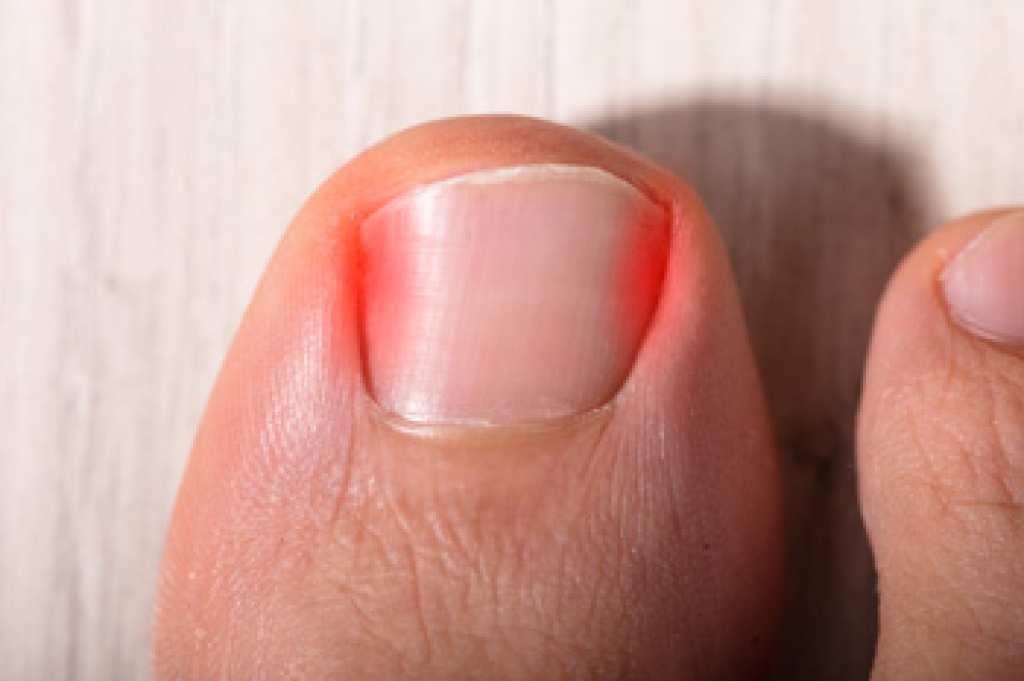
Pregnancy can bring significant changes to the feet due to weight gain, hormonal shifts, and fluid retention. Common issues include flat feet, which may develop or worsen as ligaments relax, and swelling or edema, causing discomfort and reduced mobility. Pregnant individuals may also experience ingrown toenails, hot or burning sensations, and bunions, all of which can affect daily activities. Hormonal changes and increased pressure on the feet contribute to these conditions, making early intervention important. A podiatrist can evaluate foot structure, provide safe treatments and recommend supportive footwear, in addition to suggesting exercises to reduce discomfort, and offer strategies to prevent worsening conditions. If you have foot pain during your pregnancy, please schedule a podiatry appointment to protect foot health, relieve pain, and maintain comfort and mobility throughout pregnancy and beyond.

Pregnant women with swollen feet can be treated with a variety of different methods that are readily available. For more information about other cures for swollen feet during pregnancy, consult with Kenneth Donovan, DPM from Advanced Care Foot and Ankle. Our doctor will attend to all of your foot and ankle needs.

What Foot Problems Can Arise During Pregnancy?

One problem that can occur is overpronation, which occurs when the arch of the foot flattens and tends to roll inward.  This can cause pain and discomfort in your heels while you’re walking or even just standing up, trying to support your baby.  

Another problem is edema, or swelling in the extremities. This often affects the feet during pregnancy but tends to occur in the later stages. 

How Can I Keep My Feet Healthy During Pregnancy?

  • Wearing orthotics can provide extra support for the feet and help distribute weight evenly
  • Minimize the amount of time spent walking barefoot
  • Wear shoes with good arch support
  • Wear shoes that allow for good circulation to the feet
  • Elevate feet if you experience swelling
  • Massage your feet
  • Get regular, light exercise, such as walking, to promote blood circulation to the feet

If you have any questions, please feel free to contact our office located in Charleston, SC . We offer the newest diagnostic and treatment technologies for all your foot care needs.

Read more about Pregnancy and Foot Health

Connect With Us