Healing an Achilles Tendon Injury and Restoring Strength

An Achilles tendon injury involves damage to the strong band of tissue that connects the calf muscles to the heel bone. It can occur from sudden increases in activity, overuse, or forceful movements like jumping or running. Symptoms include pain, swelling, stiffness, and difficulty walking or pushing off the foot. Risk factors include tight muscles, improper footwear, and lack of conditioning. Rest is essential to allow the tendon to recover and prevent further strain. Additional care includes stretching, strengthening, and a gradual return to activity. A podiatrist can help by diagnosing the injury, guiding treatment, and recommending supportive therapies to promote healing. If you have signs of an Achilles tendon injury, it is suggested that you promptly consult a podiatrist who can offer you appropriate treatment solutions to restore mobility.

Achilles tendon injuries need immediate attention to avoid future complications. If you have any concerns, contact Kenneth Donovan, DPM of Advanced Care Foot and Ankle. Our doctor can provide the care you need to keep you pain-free and on your feet.

What Is the Achilles Tendon?

The Achilles tendon is a tendon that connects the lower leg muscles and calf to the heel of the foot. It is the strongest tendon in the human body and is essential for making movement possible. Because this tendon is such an integral part of the body, any injuries to it can create immense difficulties and should immediately be presented to a doctor.

What Are the Symptoms of an Achilles Tendon Injury?

There are various types of injuries that can affect the Achilles tendon. The two most common injuries are Achilles tendinitis and ruptures of the tendon.

Achilles Tendinitis Symptoms

  • Inflammation
  • Dull to severe pain
  • Increased blood flow to the tendon
  • Thickening of the tendon

Rupture Symptoms

  • Extreme pain and swelling in the foot
  • Total immobility

Treatment and Prevention

Achilles tendon injuries are diagnosed by a thorough physical evaluation, which can include an MRI. Treatment involves rest, physical therapy, and in some cases, surgery. However, various preventative measures can be taken to avoid these injuries, such as:

  • Thorough stretching of the tendon before and after exercise
  • Strengthening exercises like calf raises, squats, leg curls, leg extensions, leg raises, lunges, and leg presses

If you have any questions please feel free to contact our office located in Charleston, SC . We offer the newest diagnostic tools and technology to treat your foot and ankle needs.

Read more about Achilles Tendon Injuries

We Can Treat Your Foot or Ankle Pain

Foot or ankle pain can negatively affect your day-to-day life and can occur due to several different conditions. Pain can also be an indicator of a more serious underlying condition, which is why you should seek professional help as soon as you notice any abnormalities in your feet.

Treatment for Arthritis in the Big Toe

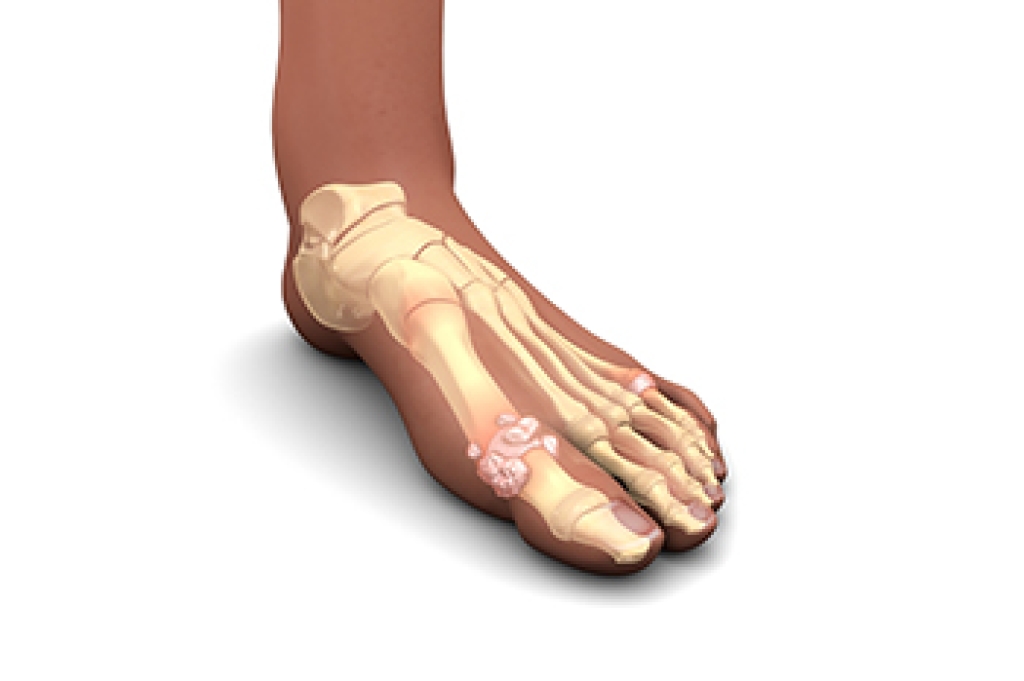
Arthritis in the big toe can cause pain, stiffness, and limited movement that makes walking uncomfortable. This affects the joint at the base of the toe, where the tissue that cushions bone ends starts to wear down. As the joint becomes irritated, motion may decrease and pain may increase during activity. Treatment focuses on reducing stress on the joint and improving how the foot functions. A podiatrist can provide custom orthotic devices to limit joint strain and improve alignment. Medication may be used to reduce inflammation and ease discomfort. In some cases, targeted injections into the joint can help relieve pain and swelling. When arthritis becomes more advanced, surgery may be recommended to remove bone growth, improve joint motion, or stabilize the joint. A podiatrist will adjust treatment based on the severity of the arthritis and the patient’s activity level. If you are experiencing pain from arthritis in the toes, feet or ankles, it is suggested that you make an appointment with a podiatrist for help.

Arthritis can be a difficult condition to live with. If you are seeking treatment, contact Kenneth Donovan, DPM from Advanced Care Foot and Ankle. Our doctor can provide the care you need to keep you pain-free and on your feet.

Arthritic Foot Care  

Arthritis is a joint disorder that involves the inflammation of different joints in your body, such as those in your feet. Arthritis is often caused by a degenerative joint disease and causes mild to severe pain in all affected areas. In addition to this, swelling and stiffness in the affected joints can also be a common symptom of arthritis.

In many cases, wearing ill-fitting shoes can worsen the effects and pain of arthritis. Wearing shoes that have a lower heel and extra room can help your feet feel more comfortable. In cases of rheumatoid arthritis, the arch in your foot may become problematic. Buying shoes with proper arch support that contour to your feet can help immensely.

Alleviating Arthritic Pain

  • Exercises that stretch the foot can prevent further pain and injury and increase mobility
  • Most of the pain can be alleviated with anti-inflammatory drugs, heat, and topical medications
  • Massages can help temporarily alleviate pain.

It is best to see your doctor for the treatment that is right for your needs and symptoms. Conditions vary, and a podiatrist can help you determine the right method of care for your feet.

If you have any questions please feel free to contact our office located in Charleston, SC . We offer the newest diagnostic tools and technology to treat your foot and ankle needs.

Read more about Arthritic Foot Care

Diabetes and How It Affects the Feet

Diabetes is a chronic condition that affects how the body processes blood sugar, leading to elevated glucose levels. It can develop due to genetic factors, lifestyle habits, or the body’s inability to produce or use insulin effectively. Common symptoms include increased thirst, frequent urination, fatigue, and slow healing. Diabetes often affects the feet because high blood sugar can damage nerves and reduce circulation. This may lead to skin changes, thick calluses, foot ulcers, and a higher risk of infection. Poor circulation can delay healing and increase complications. Risk factors include excess weight, family history, and inactivity. A podiatrist can monitor foot health, treat wounds, manage calluses, and provide preventive care. If you have diabetes and notice changes in your feet, it is strongly suggested that you are under the care of a podiatrist who can help you to manage this serious condition.

Diabetic foot care is important in preventing foot ailments such as ulcers. If you are suffering from diabetes or have any other concerns about your feet, contact Kenneth Donovan, DPM from Advanced Care Foot and Ankle. Our doctor can provide the care you need to keep you pain-free and on your feet.

Diabetic Foot Care

Diabetes affects millions of people every year. The condition can damage blood vessels in many parts of the body, especially the feet. Because of this, taking care of your feet is essential if you have diabetes, and having a podiatrist help monitor your foot health is highly recommended.

The Importance of Caring for Your Feet

  • Routinely inspect your feet for bruises or sores.
  • Wear socks that fit your feet comfortably.
  • Wear comfortable shoes that provide adequate support.

Patients with diabetes should have their doctor monitor their blood levels, as blood sugar levels play such a huge role in diabetic care. Monitoring these levels on a regular basis is highly advised.

It is always best to inform your healthcare professional of any concerns you may have regarding your feet, especially for diabetic patients. Early treatment and routine foot examinations are keys to maintaining proper health, especially because severe complications can arise if proper treatment is not applied.

If you have any questions, please feel free to contact our office located in Charleston, SC . We offer the newest diagnostic and treatment technologies for all your foot care needs.


Read more about Diabetic Foot Care

When Heel Pain Greets the First Step

Plantar fasciitis is a common cause of heel pain that develops when the thick band of tissue supporting the arch becomes strained or inflamed. It often begins gradually and is frequently linked to overuse, foot mechanics, prolonged standing, or unsupportive footwear. Symptoms usually include sharp or aching pain in the heel, stiffness after rest, and discomfort that improves slightly with movement but returns later in the day. The heel may look normal or mildly swollen, yet it can feel tender, tight, or burning with pressure. Common contributing factors include repetitive stress, tight calf muscles, and weight changes such as soreness, inflammation, and reduced flexibility. A podiatrist can help by starting with a detailed examination and imaging when necessary to confirm the diagnosis and rule out other causes of heel pain. Treatment often begins with footwear guidance, supportive devices, and custom orthotics, then progresses to medications, targeted exercises, or advanced procedures if symptoms persist. If you think you may have heel pain, it is suggested that you make an appointment with a podiatrist.

Plantar fasciitis can be very painful and inconvenient. If you are experiencing heel pain or symptoms of plantar fasciitis, contact Kenneth Donovan, DPM  from Advanced Care Foot and Ankle. Our doctor can provide the care you need to keep you pain-free and on your feet.

What Is Plantar Fasciitis?

Plantar fasciitis is the inflammation of the thick band of tissue that runs along the bottom of your foot, known as the plantar fascia, and causes mild to severe heel pain.

What Causes Plantar Fasciitis?

  • Excessive running
  • Non-supportive shoes
  • Overpronation
  • Repeated stretching and tearing of the plantar fascia

How Can It Be Treated?

  • Conservative measures – anti-inflammatories, ice packs, stretching exercises, physical therapy, orthotic devices
  • Shockwave therapy – sound waves are sent to the affected area to facilitate healing and are usually used for chronic cases of plantar fasciitis
  • Surgery – usually only used as a last resort when all else fails. The plantar fascia can be surgically detached from the heel

While very treatable, plantar fasciitis is definitely not something that should be ignored. Especially in severe cases, speaking to your doctor right away is highly recommended to avoid complications and severe heel pain. Your podiatrist can work with you to provide the appropriate treatment options tailored to your condition.

If you have any questions, please feel free to contact our office located in Charleston, SC . We offer the newest diagnostic and treatment technologies for all your foot care needs.
Read more about Plantar Fasciitis

Connect With Us