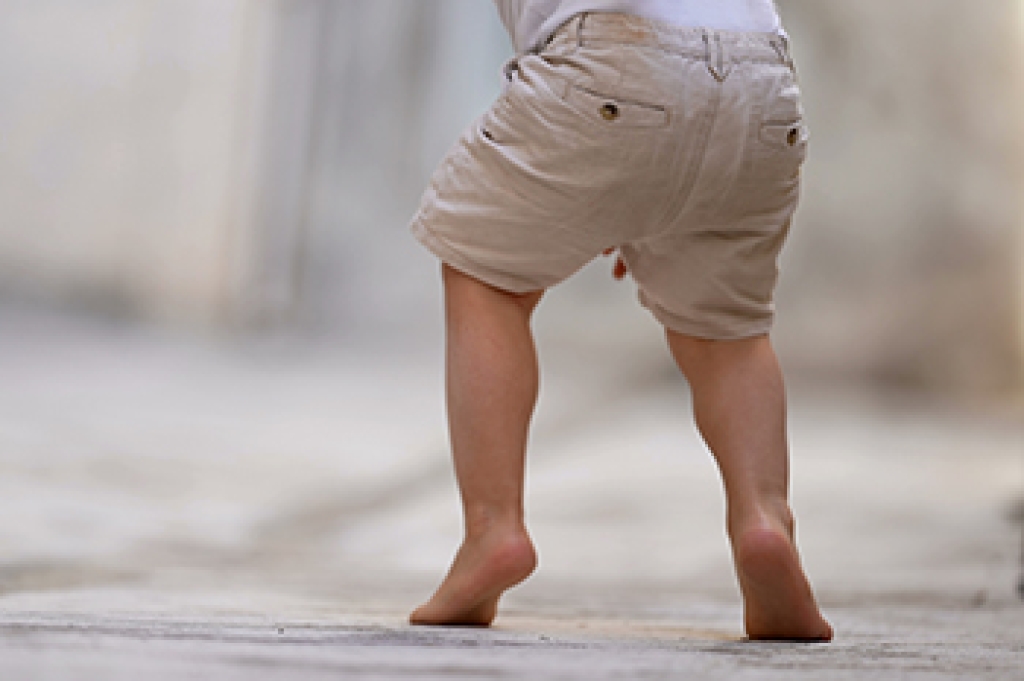
How to Prevent Falls at Home

Falls in the home are a common concern, especially for older adults, and can result from poor balance, muscle weakness, foot pain, or environmental hazards. Cluttered walkways, loose rugs, and slippery bathroom surfaces often increase the risk of injury. Preventing falls begins with keeping living spaces clear and well organized, installing grab bars in the bathroom for added stability, using slip resistant bath mats, and refraining from using a ladder without proper support. Wearing supportive footwear indoors can also improve balance. A podiatrist can assess foot health, address pain or instability, and recommend supportive devices to enhance safety. If you have injured your foot or ankle from falling, it is suggested that you consult a podiatrist who can treat various foot conditions, and guide you on additional fall prevention techniques.

Preventing falls among the elderly is very important. If you are older and have fallen or fear that you are prone to falling, consult with Kenneth Donovan, DPM from Advanced Care Foot and Ankle. Our doctor will assess your condition and provide you with quality advice and care.

Every 11 seconds, an elderly American is being treated in an emergency room for a fall related injury. Falls are the leading cause of head and hip injuries for those 65 and older. Due to decreases in strength, balance, senses, and lack of awareness, elderly persons are very susceptible to falling. Thankfully, there are a number of things older persons can do to prevent falls.

How to Prevent Falls

Some effective methods that older persons can do to prevent falls include:

  • Enrolling in strength and balance exercise program to increase balance and strength
  • Periodically having your sight and hearing checked
  • Discuss any medications you have with a doctor to see if it increases the risk of falling
  • Clearing the house of falling hazards and installing devices like grab bars and railings
  • Utilizing a walker or cane
  • Wearing shoes that provide good support and cushioning
  • Talking to family members about falling and increasing awareness

Falling can be a traumatic and embarrassing experience for elderly persons; this can make them less willing to leave the house, and less willing to talk to someone about their fears of falling. Doing such things, however, will increase the likelihood of tripping or losing one’s balance. Knowing the causes of falling and how to prevent them is the best way to mitigate the risk of serious injury.  

If you have any questions, please feel free to contact our office located in Charleston, SC . We offer the newest diagnostic and treatment technologies for all your foot care needs.

Read more about Falls Prevention

Sudden Joint Pain

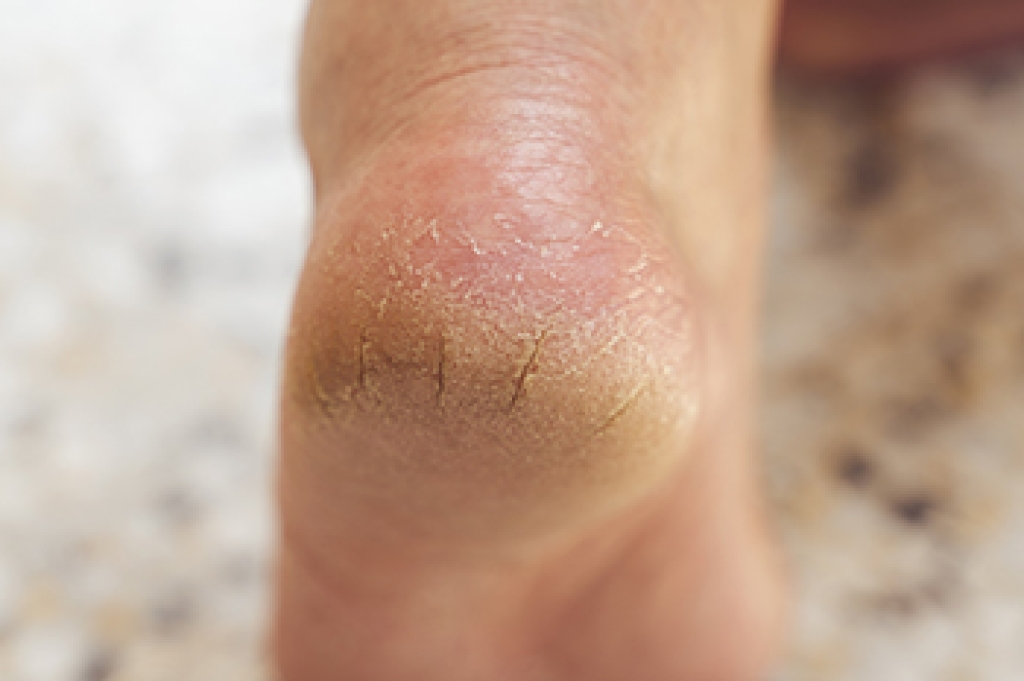
Gout is a form of inflammatory arthritis that commonly affects the foot, especially the big toe, and often appears without warning. It is caused by a buildup of uric acid in the blood, which can form sharp crystals in the joints due to diet, genetics, dehydration, or certain medical conditions. Symptoms include intense pain, swelling, redness, and warmth that may develop overnight. The joint may look shiny, swollen, and inflamed, and it often feels extremely tender to the touch, making walking difficult. A podiatrist can help by starting with a detailed history and physical exam, supported by imaging or lab testing when needed to confirm the diagnosis. Treatment may progress to medication management, footwear guidance, dietary education, and strategies to reduce flare-ups. Early care can limit joint damage and improve mobility. If you have gout, it is suggested that you schedule  an appointment with a podiatrist for effective relief and management tips.

Gout is a painful condition that can be treated. If you are seeking treatment, contact Kenneth Donovan, DPM from Advanced Care Foot and Ankle. Our doctor will treat your foot and ankle needs.

What Is Gout?

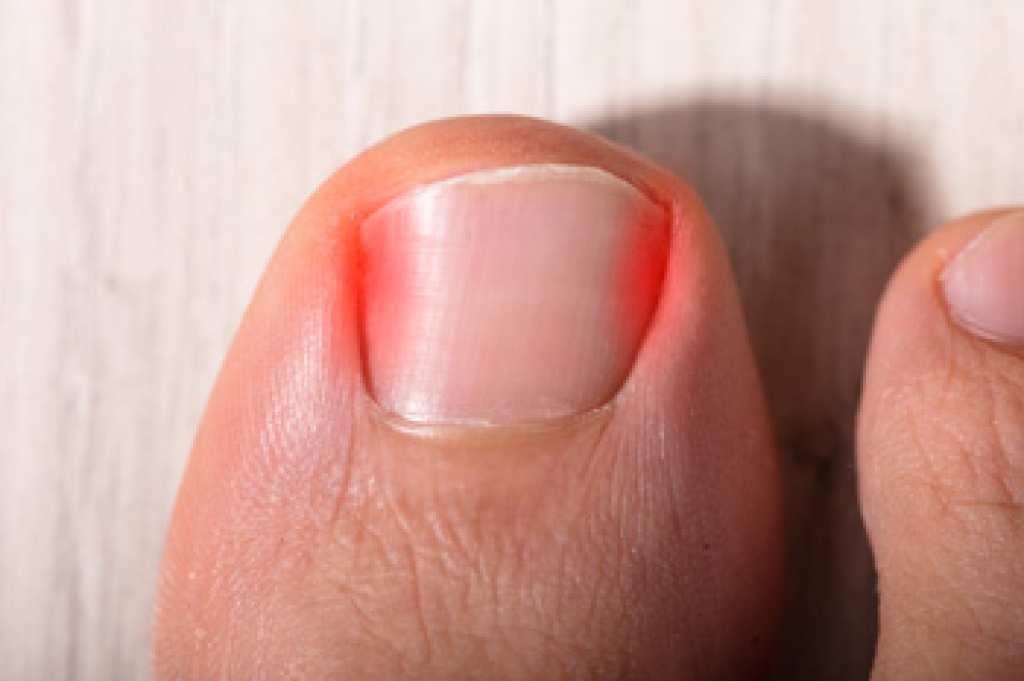
Gout is a form of arthritis that is characterized by sudden, severe attacks of pain, redness, and tenderness in the joints. The condition usually affects the joint at the base of the big toe. A gout attack can occur at any random time, such as the middle of the night while you are asleep.

Symptoms

  • Intense Joint Pain - Usually around the large joint of your big toe, and it most severe within the first four to twelve hours
  • Lingering Discomfort - Joint discomfort may last from a few days to a few weeks
  • Inflammation and Redness -Affected joints may become swollen, tender, warm and red
  • Limited Range of Motion - May experience a decrease in joint mobility

Risk Factors

  • Genetics - If family members have gout, you’re more likely to have it
  • Medications - Diuretic medications can raise uric acid levels
  • Gender/Age - Gout is more common in men until the age of 60. It is believed that estrogen protects women until that point
  • Diet - Eating red meat and shellfish increases your risk
  • Alcohol - Having more than two alcoholic drinks per day increases your risk
  • Obesity - Obese people are at a higher risk for gout

Prior to visiting your podiatrist to receive treatment for gout, there are a few things you should do beforehand. If you have gout you should write down your symptoms--including when they started and how often you experience them, important medical information you may have, and any questions you may have. Writing down these three things will help your podiatrist in assessing your specific situation so that he or she may provide the best route of treatment for you.

If you have any questions, please feel free to contact our office located in Charleston, SC . We offer the newest diagnostic and treatment technologies for all your foot care needs.
Read more about Gout

Exercises for Foot Problems and Safe Progression

Exercises for foot problems can improve strength, flexibility, and support long-term foot health, when done correctly. Choosing the right level of exercise is important because pushing too hard can increase pain or delay healing. Gentle movements performed with proper form help activate muscles without causing strain. Repetitions should be kept comfortable, and spread out in small amounts during the day rather than completed all at once. Allowing time for rest between exercise sessions gives tissues a chance to recover and adapt. A podiatrist can help by identifying the cause of foot pain, creating an individualized exercise plan, and guiding safe progression. If foot discomfort or weakness is limiting daily activities, it is suggested that you consult a podiatrist who can provide effective relief tips, which may include an exercise program tailored to your needs. 

Exercising your feet regularly with the proper foot wear is a great way to prevent injuries and build strength. If you have any concerns about your feet, contact Kenneth Donovan, DPM from Advanced Care Foot and Ankle. Our doctor can provide the care you need to keep you pain-free and on your feet.

Exercise for Your Feet

Exercise for your feet can help you gain strength, mobility and flexibility in your feet. They say that strengthening your feet can be just as rewarding as strengthening another part of the body. Your feet are very important, and we often forget about them in our daily tasks. But it is because of our feet that are we able to get going and do what we need to. For those of us fortunate enough to not have any foot problems, it is an important gesture to take care of them to ensure good health in the long run.

Some foot health exercises can include ankle pumps, tip-toeing, toe rises, lifting off the floor doing reps and sets, and flexing the toes. It is best to speak with Our doctor to determine an appropriate regimen for your needs. Everyone’s needs and bodies are different, and the activities required to maintain strength in the feet vary from individual to individual. 

Once you get into a routine of doing regular exercise, you may notice a difference in your feet and how strong they may become.

If you have any questions, please feel free to contact our office located in Charleston, SC . We offer the newest diagnostic and treatment technologies for all your foot care needs.

Read more about Exercise for Your Feet

Swollen Feet May Be a Sign of Diabetes

Swollen feet can signal circulation problems, fluid buildup, or underlying inflammation caused by diabetes. The feet may look puffy, shiny, or discolored, and the skin may feel tight or tender when pressed. Symptoms include aching, heaviness, reduced mobility, or warmth in the affected areas. Causes often relate to poor blood flow, nerve damage, infection, or prolonged standing. Because swelling can make it difficult to notice cuts, blisters, or pressure points, the risk of complications increases without proper care. A podiatrist can begin with a thorough examination to assess circulation, nerve function, and skin integrity while identifying what may be triggering the swelling. Treatment may include compression guidance, footwear recommendations, wound care if needed, and strategies to improve daily foot protection. Ongoing monitoring is essential for preventing ulcers and maintaining overall foot health. Because early attention is vital for long term safety, it is suggested that you are under the care of a podiatrist who can help you to manage this serious condition. 

Diabetic foot care is important in preventing foot ailments such as ulcers. If you are suffering from diabetes or have any other concerns about your feet, contact Kenneth Donovan, DPM from Advanced Care Foot and Ankle. Our doctor can provide the care you need to keep you pain-free and on your feet.

Diabetic Foot Care

Diabetes affects millions of people every year. The condition can damage blood vessels in many parts of the body, especially the feet. Because of this, taking care of your feet is essential if you have diabetes, and having a podiatrist help monitor your foot health is highly recommended.

The Importance of Caring for Your Feet

  • Routinely inspect your feet for bruises or sores.
  • Wear socks that fit your feet comfortably.
  • Wear comfortable shoes that provide adequate support.

Patients with diabetes should have their doctor monitor their blood levels, as blood sugar levels play such a huge role in diabetic care. Monitoring these levels on a regular basis is highly advised.

It is always best to inform your healthcare professional of any concerns you may have regarding your feet, especially for diabetic patients. Early treatment and routine foot examinations are keys to maintaining proper health, especially because severe complications can arise if proper treatment is not applied.

If you have any questions, please feel free to contact our office located in Charleston, SC . We offer the newest diagnostic and treatment technologies for all your foot care needs.

Read more about How to Care for Diabetic Foot

Connect With Us