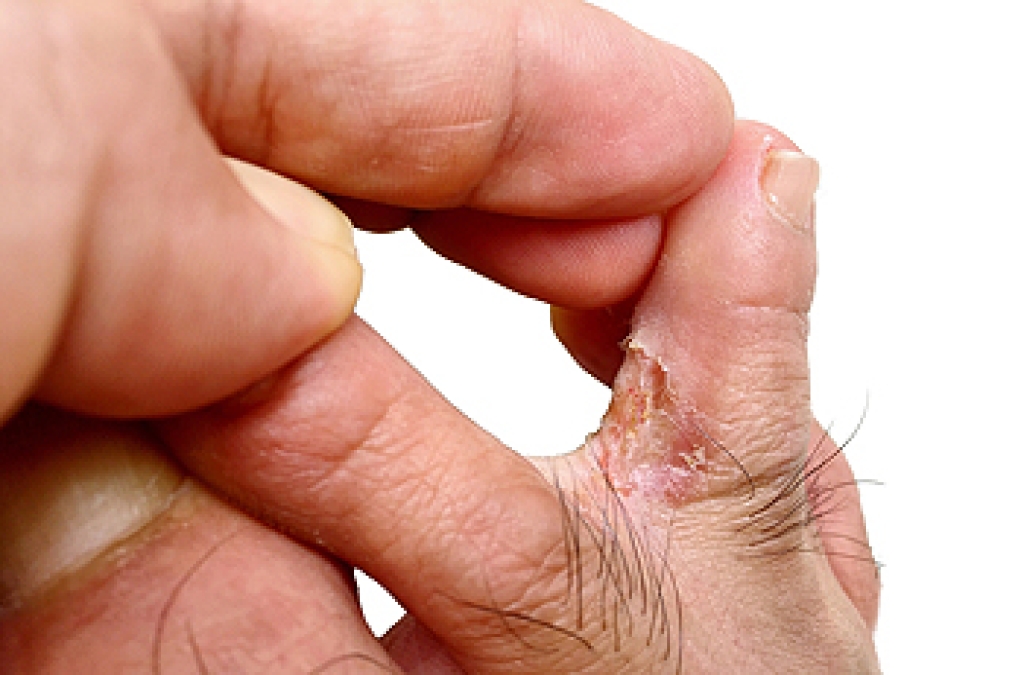
Taking Care of Your Athlete’s Foot

Athlete's foot, or tinea pedis, is a common fungal infection that affects the skin on the feet, especially between the toes. It is caused by fungi that thrive in warm, moist environments, such as locker rooms, public showers, and sweaty shoes. Symptoms include itching, burning, peeling, or cracked skin, and blisters or an unpleasant odor may develop. The condition can spread to other parts of the body, or to others through direct contact or contaminated surfaces. It may feel uncomfortable and become painful if left untreated. A podiatrist can diagnose athlete's foot through a physical exam and possibly a skin scraping to confirm the presence of fungus. Treatment may include topical antifungal creams, oral medications for severe cases, and advice on hygiene and prevention. A podiatrist can also rule out other skin conditions with similar symptoms. If you are experiencing persistent foot irritation or skin changes, it is suggested that you schedule an appointment with a podiatrist for an accurate diagnose and appropriate care.

Athlete’s Foot

Athlete’s foot is often an uncomfortable condition to experience. Thankfully, podiatrists specialize in treating athlete’s foot and offer the best treatment options. If you have any questions about athlete’s foot, consult with Kenneth Donovan, DPM from Advanced Care Foot and Ankle. Our doctor will assess your condition and provide you with quality treatment.

What Is Athlete’s Foot?

Tinea pedis, more commonly known as athlete’s foot, is a non-serious and common fungal infection of the foot. Athlete’s foot is contagious and can be contracted by touching someone who has it or infected surfaces. The most common places contaminated by it are public showers, locker rooms, and swimming pools. Once contracted, it grows on feet that are left inside moist, dark, and warm shoes and socks.

Prevention

The most effective ways to prevent athlete’s foot include:

  • Thoroughly washing and drying feet
  • Avoid going barefoot in locker rooms and public showers
  • Using shower shoes in public showers
  • Wearing socks that allow the feet to breathe
  • Changing socks and shoes frequently if you sweat a lot

Symptoms

Athlete’s foot initially occurs as a rash between the toes. However, if left undiagnosed, it can spread to the sides and bottom of the feet, toenails, and if touched by hand, the hands themselves. Symptoms include:

  • Redness
  • Burning
  • Itching
  • Scaly and peeling skin

Diagnosis and Treatment

Diagnosis is quick and easy. Skin samples will be taken and either viewed under a microscope or sent to a lab for testing. Sometimes, a podiatrist can diagnose it based on simply looking at it. Once confirmed, treatment options include oral and topical antifungal medications.

If you have any questions, please feel free to contact our office located in Charleston, SC . We offer the newest diagnostic and treatment technologies for all your foot care needs.

Read more about Athlete's Foot

The Hidden Bursa Behind Your Heel

Retrocalcaneal bursitis is a painful condition that affects the small fluid-filled sac located between the heel bone and the Achilles tendon. This bursa helps reduce friction, but when it becomes inflamed, every step can feel uncomfortable. The pain is usually felt at the back of the heel, especially when walking, running, or wearing tight shoes that put pressure on the area. Swelling, tenderness, and stiffness surrounding the heel are also common signs. The condition often develops from overuse, repetitive stress, or footwear that irritates the heel. Athletes and individuals who spend long hours on their feet may be more prone to bursitis. Treatment may involve rest,  heel lifts, or changes in footwear to reduce pressure on the tendon and bursa. If pain persists, it is suggested that you see a podiatrist who can provide custom orthotics, targeted exercise, or other advanced treatments to restore comfort.

Many people suffer from bouts of heel pain. For more information, contact Kenneth Donovan, DPM of Advanced Care Foot and Ankle. Our doctor can provide the care you need to keep you pain-free and on your feet.

Causes of Heel Pain

Heel pain is often associated with plantar fasciitis. The plantar fascia is a band of tissues that extends along the bottom of the foot. A rip or tear in this ligament can cause inflammation of the tissue.

Achilles tendonitis is another cause of heel pain. Inflammation of the Achilles tendon will cause pain from fractures and muscle tearing. Lack of flexibility is also another symptom.

Heel spurs are another cause of pain. When the tissues of the plantar fascia undergo a great deal of stress, it can lead to ligament separation from the heel bone, causing heel spurs.

Why Might Heel Pain Occur?

  • Wearing ill-fitting shoes                
  • Wearing non-supportive shoes
  • Weight change           
  • Excessive running

Treatments

Heel pain should be treated as soon as possible for immediate results. Keeping your feet in a stress-free environment will help. If you suffer from Achilles tendonitis or plantar fasciitis, applying ice will reduce the swelling. Stretching before an exercise like running will help the muscles. Using all these tips will help make heel pain a condition of the past.

If you have any questions, please feel free to contact our office located in Charleston, SC . We offer the newest diagnostic and treatment technologies for all your foot care needs.

Read more about Heel Pain

Achilles Tendonitis and How to Find Relief

Achilles tendonitis is inflammation of the tendon connecting the calf muscles to the heel bone. It is often caused by overuse, sudden increases in physical activity, or wearing unsupportive footwear. Common symptoms include heel or lower leg pain, stiffness, and swelling, especially after periods of rest or intense movement. Risk factors include having tight calf muscles, flat feet, and repetitive stress from running or jumping. A podiatrist can diagnose the condition and create a personalized treatment plan that may include stretching exercises, proper footwear, orthotics, or advanced therapies to reduce inflammation. If you have any of the above symptoms, it is strongly suggested that you promptly consult a podiatrist who can accurately diagnose and treat Achilles tendon injuries.

Achilles tendon injuries need immediate attention to avoid future complications. If you have any concerns, contact Kenneth Donovan, DPM of Advanced Care Foot and Ankle. Our doctor can provide the care you need to keep you pain-free and on your feet.

What Is the Achilles Tendon?

The Achilles tendon is a tendon that connects the lower leg muscles and calf to the heel of the foot. It is the strongest tendon in the human body and is essential for making movement possible. Because this tendon is such an integral part of the body, any injuries to it can create immense difficulties and should immediately be presented to a doctor.

What Are the Symptoms of an Achilles Tendon Injury?

There are various types of injuries that can affect the Achilles tendon. The two most common injuries are Achilles tendinitis and ruptures of the tendon.

Achilles Tendinitis Symptoms

  • Inflammation
  • Dull to severe pain
  • Increased blood flow to the tendon
  • Thickening of the tendon

Rupture Symptoms

  • Extreme pain and swelling in the foot
  • Total immobility

Treatment and Prevention

Achilles tendon injuries are diagnosed by a thorough physical evaluation, which can include an MRI. Treatment involves rest, physical therapy, and in some cases, surgery. However, various preventative measures can be taken to avoid these injuries, such as:

  • Thorough stretching of the tendon before and after exercise
  • Strengthening exercises like calf raises, squats, leg curls, leg extensions, leg raises, lunges, and leg presses

If you have any questions please feel free to contact our office located in Charleston, SC . We offer the newest diagnostic tools and technology to treat your foot and ankle needs.

Read more about The Causes, Types, and Treatments of Achilles Tendon Injuries

How Peripheral Neuropathy Affects the Feet

Peripheral neuropathy is a condition that causes nerve damage, frequently affecting the feet. It often occurs in people with diabetes due to high blood sugar levels, which can damage both nerves and the small blood vessels that supply them. Symptoms of peripheral neuropathy include burning, tingling, numbness, pain, and weakness in the feet, with these sensations often intensifying at night. Peripheral neuropathy can lead to difficulty walking, loss of balance, and a reduced ability to sense pain or temperature in the feet. As feeling diminishes, there is a higher risk of unnoticed injuries that could develop into foot ulcers or become infected. A podiatrist can help manage these issues by conducting a thorough foot exam, checking sensation, and suggesting treatment options. If you are experiencing symptoms of neuropathy in the feet, it is suggested that you schedule an appointment with a podiatrist for relief and treatment solutions.

Neuropathy

Neuropathy can be a potentially serious condition, especially if it is left undiagnosed. If you have any concerns that you may be experiencing nerve loss in your feet, consult with Kenneth Donovan, DPM from Advanced Care Foot and Ankle. Our doctor will assess your condition and provide you with quality foot and ankle treatment for neuropathy.

What Is Neuropathy?

Neuropathy is a condition that leads to damage to the nerves in the body. Peripheral neuropathy, or neuropathy that affects your peripheral nervous system, usually occurs in the feet. Neuropathy can be triggered by a number of different causes. Such causes include diabetes, infections, cancers, disorders, and toxic substances.

Symptoms of Neuropathy Include:

  • Numbness
  • Sensation loss
  • Prickling and tingling sensations
  • Throbbing, freezing, burning pains
  • Muscle weakness

Those with diabetes are at serious risk due to being unable to feel an ulcer on their feet. Diabetics usually also suffer from poor blood circulation. This can lead to the wound not healing, infections occurring, and the limb may have to be amputated.

Treatment

To treat neuropathy in the foot, podiatrists will first diagnose the cause of the neuropathy. Figuring out the underlying cause of the neuropathy will allow the podiatrist to prescribe the best treatment, whether it be caused by diabetes, toxic substance exposure, infection, etc. If the nerve has not died, then it’s possible that sensation may be able to return to the foot.

Pain medication may be issued for pain. Electrical nerve stimulation can be used to stimulate nerves. If the neuropathy is caused from pressure on the nerves, then surgery may be necessary.

If you have any questions, please feel free to contact our office located in Charleston, SC . We offer the newest diagnostic and treatment technologies for all your foot care needs.

Read more about Neuropathy

Do Your Child's Feet Hurt?

Have your child's feet been examined lately? Healthy feet are happy feet. If your child is complaining of foot pain, it may be a sign of underlying problems.

Connect With Us