
Do you suffer from heel pain when you get up in the morning? If so, you should seek professional help and have a proper diagnosis performed. Heel pain can be caused by several different foot-related conditions.
Do you suffer from heel pain when you get up in the morning? If so, you should seek professional help and have a proper diagnosis performed. Heel pain can be caused by several different foot-related conditions.

Finding the right shoes for flat feet is important for both comfort and foot health. Flat feet can vary in shape and size, from toes pointing outward to tight Achilles tendons. Experts suggest opting for wide-fit shoes to accommodate your foot shape and avoiding narrow fronts, allowing your toes to spread comfortably. Look for shoes with sturdy soles and heel support to prevent overpronation and protect against potential tendon damage. Custom orthotic inserts can provide personalized support, reduce strain, and help keep your feet aligned. Reinforced heels are essential to safeguard against pressure to protect the Achilles tendon. Consider wearing different types of shoes for various activities, ensuring you have the right support for each occasion. During the summer, prioritize wide, sturdy soles with ample cushioning. While wearing quality shoes is essential, it is suggested that you consult a podiatrist for an examination and tailored advice on managing flat feet.
Flatfoot is a condition many people suffer from. If you have flat feet, contact Kenneth Donovan, DPM from Advanced Care Foot and Ankle. Our doctor will treat your foot and ankle needs.
What Are Flat Feet?
Flatfoot is a condition in which the arch of the foot is depressed and the sole of the foot is almost completely in contact with the ground. About 20-30% of the population generally has flat feet because their arches never formed during growth.
Conditions & Problems:
Having flat feet makes it difficult to run or walk because of the stress placed on the ankles.
Alignment – The general alignment of your legs can be disrupted, because the ankles move inward which can cause major discomfort.
Knees – If you have complications with your knees, flat feet can be a contributor to arthritis in that area.
Symptoms
Treatment
If you are experiencing pain and stress on the foot you may weaken the posterior tibial tendon, which runs around the inside of the ankle.
If you have any questions, please feel free to contact our office located in Charleston, SC . We offer the newest diagnostic and treatment technologies for all your foot care needs.
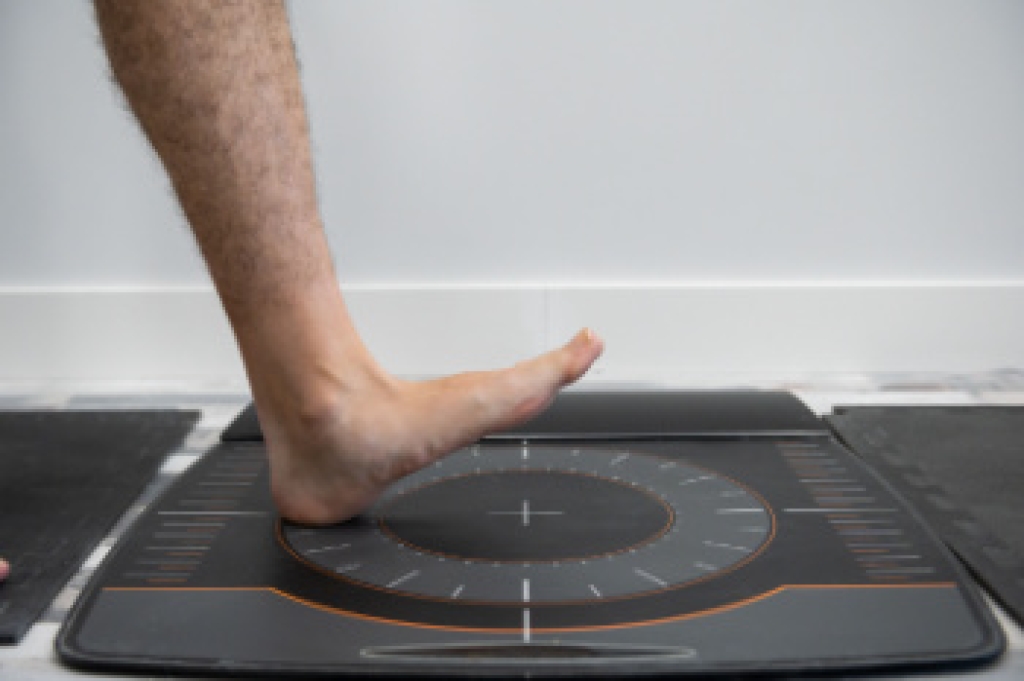
Feet are remarkable structures comprising 26 bones, 33 joints, and more than 100 muscles, tendons, and ligaments. These bones are divided into three groups, consisting of the tarsal bones, which form the back of the foot and ankle, the metatarsal bones, which make up the midfoot, and the phalanges, which form the toes. On average, a person takes approximately 8,000 to 10,000 steps per day, which adds up to about 115,000 miles in a lifetime. Among the many joints in the feet, some of the most essential include the ankle joint, subtalar joint, and metatarsophalangeal joints. These joints work together to provide support, flexibility, and propulsion during movement, allowing us to walk, run, jump, and dance with ease. If you have developed foot pain which may be due to your foot's structure, it is suggested that you confer with a podiatrist who can help you with relief solutions.
If you have any concerns about your feet, contact Kenneth Donovan, DPM from Advanced Care Foot and Ankle. Our doctor can provide the care you need to keep you pain-free and on your feet.
Biomechanics in Podiatry
Podiatric biomechanics is a particular sector of specialty podiatry with licensed practitioners who are trained to diagnose and treat conditions affecting the foot, ankle and lower leg. Biomechanics deals with the forces that act against the body, causing an interference with the biological structures. It focuses on the movement of the ankle, the foot and the forces that interact with them.
A History of Biomechanics
Modern technological improvements are based on past theories and therapeutic processes that provide a better understanding of podiatric concepts for biomechanics. Computers can provide accurate information about the forces and patterns of the feet and lower legs.
Understanding biomechanics of the feet can help improve and eliminate pain, stopping further stress to the foot.
If you have any questions please feel free to contact our office located in Charleston, SC . We offer the newest diagnostic and treatment technologies for all your foot and ankle needs.

Ankle fractures often result from trauma or sudden twists during activities like sports or falls. These fractures are classified based on the location and severity of the break, aiding medical professionals in determining the most appropriate treatment. One common classification system divides ankle fractures into three main categories, which are lateral malleolus fractures, medial malleolus fractures, and posterior malleolus fractures. Lateral malleolus fractures involve the outer bone of the ankle, known as the fibula, and typically occur from rolling the ankle outward. Medial malleolus fractures affect the inner bone of the ankle, called the tibia, and result from inward rolling of the ankle. Posterior malleolus fractures involve the back of the tibia near the ankle joint and are often associated with high-energy injuries. If you have fractured your ankle, it is suggested that you confer with a podiatrist who can effectively diagnose and treat this condition.
Broken ankles need immediate treatment. If you are seeking treatment, contact Kenneth Donovan, DPM from Advanced Care Foot and Ankle. Our doctor can provide the care you need to keep you pain-free and on your feet.
Broken Ankles
A broken ankle is experienced when a person fractures their tibia or fibula in the lower leg and ankle area. Both of these bones are attached at the bottom of the leg and combine to form what we know to be our ankle.
When a physician is referring to a break of the ankle, he or she is usually referring to a break in the area where the tibia and fibula are joined to create our ankle joint. Ankles are more prone to fractures because the ankle is an area that suffers a lot of pressure and stress. There are some obvious signs when a person experiences a fractured ankle, and the following symptoms may be present.
Symptoms of a Fractured Ankle
If you suspect an ankle fracture, it is recommended to seek treatment as soon as possible. The sooner you have your podiatrist diagnose the fracture, the quicker you’ll be on the way towards recovery.
If you have any questions, please feel free to contact our office located in Charleston, SC . We offer the newest diagnostic and treatment technologies for all your foot care needs.

Plantar fasciitis, a prevalent foot condition, can cause discomfort and hinder daily activities if left unaddressed. Recognizing its common symptoms is key to seeking appropriate treatment and finding relief. One hallmark symptom is heel pain, typically occurring with the first steps in the morning or after periods of rest. This pain may subside as the day progresses but can return after prolonged standing or walking. Additionally, individuals with plantar fasciitis often experience pain along the arch of the foot, which may feel sharp or stabbing in nature. Tightness and stiffness in the affected foot, particularly after periods of inactivity, are also common. Swelling and tenderness in the heel or arch area may accompany these symptoms. Some individuals may notice a decrease in their range of motion or difficulty flexing the foot upwards. If you experience any of these symptoms, it is suggested that you consult a podiatrist for a proper diagnosis and treatment to alleviate discomfort and prevent worsening of the condition.
Plantar fasciitis is a common foot condition that is often caused by a strain injury. If you are experiencing heel pain or symptoms of plantar fasciitis, contact Kenneth Donovan, DPM from Advanced Care Foot and Ankle. Our doctor can provide the care you need to keep you pain-free and on your feet.
What Is Plantar Fasciitis?
Plantar fasciitis is one of the most common causes of heel pain. The plantar fascia is a ligament that connects your heel to the front of your foot. When this ligament becomes inflamed, plantar fasciitis is the result. If you have plantar fasciitis you will have a stabbing pain that usually occurs with your first steps in the morning. As the day progresses and you walk around more, this pain will start to disappear, but it will return after long periods of standing or sitting.
What Causes Plantar Fasciitis?
There are some risk factors that may make you more likely to develop plantar fasciitis compared to others. The condition most commonly affects adults between the ages of 40 and 60. It also tends to affect people who are obese because the extra pounds result in extra stress being placed on the plantar fascia.
Prevention
There are a variety of treatment options available for plantar fasciitis along with the pain that accompanies it. Additionally, physical therapy is a very important component in the treatment process. It is important that you meet with your podiatrist to determine which treatment option is best for you.
If you have any questions, please feel free to contact our office located in Charleston, SC . We offer the newest diagnostic and treatment technologies for all your foot care needs.
Connect With Us
