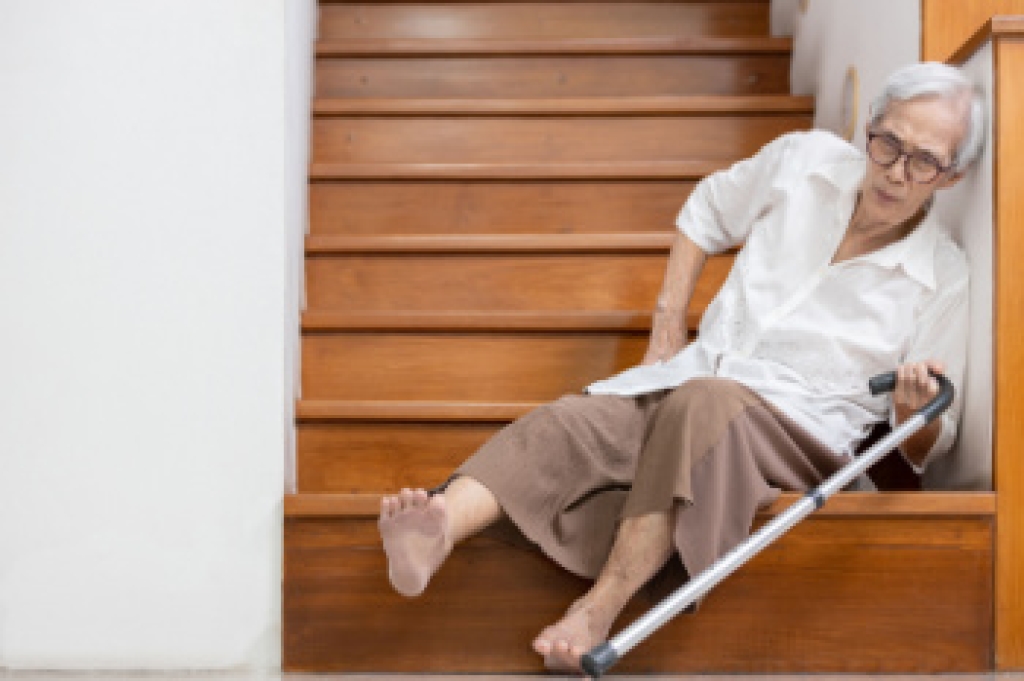
Health Conditions in the Elderly That Can Lead to Falls

Falls are a leading concern for elderly individuals and are often linked to underlying health conditions that affect balance and stability. Poor vision from conditions like cataracts or macular degeneration can make it difficult to navigate safely, increasing the risk of tripping or misjudging steps. Diabetes can contribute to falls through nerve damage in the feet, known as peripheral neuropathy, which reduces sensation and affects coordination. Cardiovascular conditions, including irregular heart rhythms or low blood pressure, can cause dizziness or fainting episodes that lead to sudden falls. Other factors such as muscle weakness, joint pain, or medication side effects may also play a role. Falling can seriously impact the feet, possibly causing difficulty in maintaining independence. If you have injured your feet or ankles from falling or want your fall risk assessed, it is suggested that you consult a podiatrist.

Preventing falls among the elderly is very important. If you are older and have fallen or fear that you are prone to falling, consult with Kenneth Donovan, DPM from Advanced Care Foot and Ankle. Our doctor will assess your condition and provide you with quality advice and care.

Every 11 seconds, an elderly American is being treated in an emergency room for a fall related injury. Falls are the leading cause of head and hip injuries for those 65 and older. Due to decreases in strength, balance, senses, and lack of awareness, elderly persons are very susceptible to falling. Thankfully, there are a number of things older persons can do to prevent falls.

How to Prevent Falls

Some effective methods that older persons can do to prevent falls include:

  • Enrolling in strength and balance exercise program to increase balance and strength
  • Periodically having your sight and hearing checked
  • Discuss any medications you have with a doctor to see if it increases the risk of falling
  • Clearing the house of falling hazards and installing devices like grab bars and railings
  • Utilizing a walker or cane
  • Wearing shoes that provide good support and cushioning
  • Talking to family members about falling and increasing awareness

Falling can be a traumatic and embarrassing experience for elderly persons; this can make them less willing to leave the house, and less willing to talk to someone about their fears of falling. Doing such things, however, will increase the likelihood of tripping or losing one’s balance. Knowing the causes of falling and how to prevent them is the best way to mitigate the risk of serious injury.  

If you have any questions, please feel free to contact our office located in Charleston, SC . We offer the newest diagnostic and treatment technologies for all your foot care needs.


Read more about Falls Prevention

Causes of a Broken Foot

A broken foot refers to a fracture in one or more of the bones in the foot, which may result from trauma, overuse, or sudden stress. Common causes include falls, car accidents, sports injuries, or dropping heavy objects on the foot. Stress fractures may develop gradually from repetitive activity, especially in athletes or individuals with high-impact routines. A broken foot typically causes pain, swelling, bruising, and difficulty bearing weight. Diagnosis begins with a physical examination, during which a podiatrist assesses the area for tenderness, deformity, or limited motion. X-rays and other imaging tests are used to confirm the presence and extent of the fracture. In some cases, advanced imaging like a CT or MRI scan may be required. If you have reason to believe you have fractured your foot, it is suggested that you promptly consult a podiatrist who can provide treatment.

A broken foot requires immediate medical attention and treatment. If you need your feet checked, contact Kenneth Donovan, DPM from Advanced Care Foot and Ankle. Our doctor can provide the care you need to keep you pain-free and on your feet.

Broken Foot Causes, Symptoms, and Treatment

A broken foot is caused by one of the bones in the foot typically breaking when bended, crushed, or stretched beyond its natural capabilities. Usually the location of the fracture indicates how the break occurred, whether it was through an object, fall, or any other type of injury. 

Common Symptoms of Broken Feet:

  • Bruising
  • Pain
  • Redness
  • Swelling
  • Blue in color
  • Numbness
  • Cold
  • Misshapen
  • Cuts
  • Deformities

Those that suspect they have a broken foot shoot seek urgent medical attention where a medical professional could diagnose the severity.

Treatment for broken bones varies depending on the cause, severity and location. Some will require the use of splints, casts or crutches while others could even involve surgery to repair the broken bones. Personal care includes the use of ice and keeping the foot stabilized and elevated.

If you have any questions, please feel free to contact our office located in Charleston, SC . We offer the newest diagnostic and treatment technologies for all your foot care needs.
Read more about Causes, Symptoms, and Treatment for a Broken Foot

Common Foot and Ankle Baseball Injuries

Foot and ankle injuries in baseball often result from quick sprints, sudden stops, and sliding into bases. These movements can place excessive strain on the toes, arches, and ankles. Among the most common baseball injuries are turf toe, which is a big toe joint sprain, sesamoiditis, which is caused by inflammation of bones under the big toe, and ankle sprains, which result from overstretching ligaments. Cleats that do not fit properly may cause blisters, toenail injuries, or pressure on nerves that run across the top of the foot. Younger players may be affected by heel pain, known as Sever’s disease, which occurs when the growth plate in the heel becomes irritated from overuse. Midfoot injuries, which involve damage to the bones and ligaments in the arch, may need advanced imaging to confirm and sometimes require surgery. A podiatrist can perform a detailed examination, order necessary imaging, and provide medical treatment, including orthotics, padding, or surgery to relieve pain. If you have sustained a foot or ankle injury while playing baseball, it is suggested that you schedule an appointment with a podiatrist for an exam, diagnosis, and appropriate treatment.

Ankle and foot injuries are common among athletes and in many sports. They can be caused by several problems and may be potentially serious. If you are feeling pain or think you were injured in a sporting event or when exercising, consult with Kenneth Donovan, DPM from Advanced Care Foot and Ankle. Our doctor will assess your condition and provide you with quality foot and ankle treatment.

Common Injuries

The most common injuries that occur in sporting activities include:

  • Achilles Tendonitis
  • Achilles Tendon Rupture
  • Ankle Sprains
  • Broken Foot
  • Plantar Fasciitis
  • Stress Fractures
  • Turf Toe

Symptoms

Symptoms vary depending upon the injury and in some cases, there may be no symptoms at all. However, in most cases, some form of symptom is experienced. Pain, aching, burning, bruising, tenderness, tightness or stiffness, sensation loss, difficulty moving, and swelling are the most common symptoms.

Treatment

Just as symptoms vary depending upon the injury, so do treatment options. A common treatment method is known as the RICE method. This method involves rest, applying ice, compression and elevating the afflicted foot or ankle. If the injury appears to be more serious, surgery might be required, such as arthroscopic or reconstructive surgery. Lastly, rehabilitation or therapy might be needed to gain full functionality in the afflicted area. Any discomfort experienced by an athlete must be evaluated by a licensed, reputable medical professional.  

If you have any questions please contact our office located in Charleston, SC . We offer the newest diagnostic and treatment technologies for all your foot and ankle needs.

Read more about Sports Related Foot and Ankle Injuries

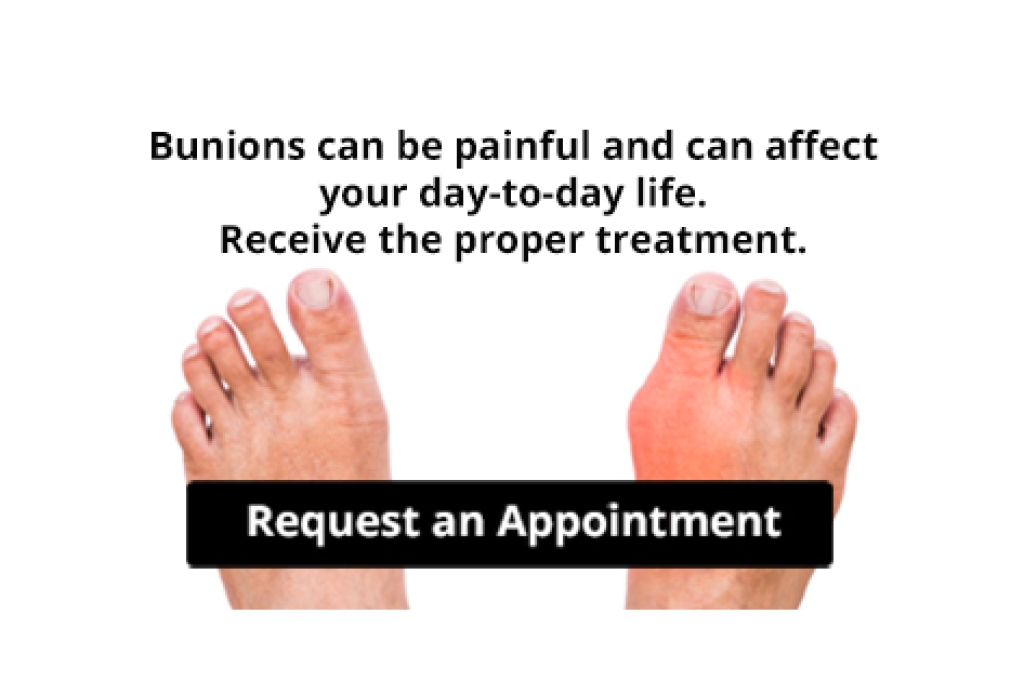
Are Bunions Affecting Your Everyday Life?

Have you noticed a bony protrusion on the side of your big toe? If so, you may have developed the foot condition known as a bunion. Don't let bunions interfere with your daily activities.

Causes and Symptoms of Flat Feet in Children

Flat feet in children occur when the arches do not develop properly, leading to the entire sole making contact with the ground. Causes vary and may include hereditary factors, muscle imbalances, or joint flexibility issues. Low muscle tone can prevent proper arch formation, while high muscle tone may cause stiffness and discomfort. Hypermobile joints allow excessive movement, making it difficult for the arch to maintain structure. Obesity places added pressure on the feet, contributing to flattening over time. Symptoms include foot pain, fatigue, difficulty walking long distances, and inward rolling of the ankles. Some children may also experience balance issues or discomfort when standing for extended periods. If your child has symptoms of flat feet, it is suggested that you contact a podiatrist who can offer treatment and relief management tips.

Flatfoot is a condition many people suffer from. If you have flat feet, contact Kenneth Donovan, DPM from Advanced Care Foot and Ankle. Our doctor will treat your foot and ankle needs.

What Are Flat Feet?

Flatfoot is a condition in which the arch of the foot is depressed and the sole of the foot is almost completely in contact with the ground. About 20-30% of the population generally has flat feet because their arches never formed during growth.

Conditions & Problems:

Having flat feet makes it difficult to run or walk because of the stress placed on the ankles.

Alignment – The general alignment of your legs can be disrupted, because the ankles move inward which can cause major discomfort.

Knees – If you have complications with your knees, flat feet can be a contributor to arthritis in that area.  

Symptoms

  • Pain around the heel or arch area
  • Trouble standing on the tip toe
  • Swelling around the inside of the ankle
  • Flat look to one or both feet
  • Having your shoes feel uneven when worn

Treatment

If you are experiencing pain and stress on the foot you may weaken the posterior tibial tendon, which runs around the inside of the ankle. 

If you have any questions, please feel free to contact our office located in Charleston, SC . We offer the newest diagnostic and treatment technologies for all your foot care needs.

Read more about Flat Feet

Connect With Us