The Definition of Clubfoot

Clubfoot is a common congenital foot defect that causes a newborn’s foot to turn in or down, and the toes point toward the opposite foot. The foot, heel, and calf muscle on the affected foot may be smaller than in the other foot. In severe instances, the foot may be twisted upside down. The tendons that connect the leg muscles to the heel are too short, which causes the baby’s foot to twist into an unnatural position. It is thought that this can happen due to genetic reasons or if there is low amniotic fluid surrounding the baby in the womb. It is more common in babies with mothers who smoked or used recreational drugs during pregnancy. It is twice as likely to impact boy infants as girls. Clubfoot can affect one or both feet and may be mild or severe. Clubfoot is not painful and can often be corrected while the child is an infant if treated immediately. The success rate is high for those treated, and the majority of children will walk normally and lead an ordinary life. If you know your child has clubfoot in utero or is born with this affliction, it is strongly suggested that you visit a podiatrist as soon as possible after birth to have the severity of the deformity determined, and to begin the correct treatment.

Congenital foot problems require immediate attention to avoid future complications. If you have any concerns, contact Kenneth Donovan, DPM of Advanced Care Foot and Ankle. Our doctor can provide the care you need to keep you pain-free and on your feet.

Congenital foot problems are deformities affecting the feet, toes, and/or ankles that children are born with. Some of these conditions have a genetic cause while others just happen. Some specific foot ailments that children may be born with include clubfeet, polydactyly/macrodactyly, and cleft foot. There are several other foot anomalies that can occur congenitally. What all of these conditions have in common is that a child may experience difficulty walking or performing everyday activities, as well as trouble finding footwear that fits their foot deformity. Some of these conditions are more serious than others. Consulting with a podiatrist as early as possible will help in properly diagnosing a child’s foot condition while getting the necessary treatment underway.

What are Causes of Congenital Foot Problem?

A congenital foot problem is one that happens to a child at birth. These conditions can be caused by a genetic predisposition, developmental or positional abnormalities during gestation, or with no known cause.

What are Symptoms of Congenital Foot Problems?

Symptoms vary by the congenital condition. Symptoms may consist of the following:

  • Clubfoot, where tendons are shortened, bones are shaped differently, and the Achilles tendon is tight, causing the foot to point in and down. It is also possible for the soles of the feet to face each other.
  • Polydactyly, which usually consists of a nubbin or small lump of tissue without a bone, a toe that is partially formed but has no joints, or an extra toe.
  • Vertical talus, where the talus bone forms in the wrong position causing other bones in the foot to line up improperly, the front of the foot to point up, and the bottom of the foot to stiffen, with no arch, and to curve out.
  • Tarsal coalition, when there is an abnormal connection of two or more bones in the foot leading to severe, rigid flatfoot.
  • Cleft foot, where there are missing toes, a V-shaped cleft, and other anatomical differences.
  • Macrodactyly, when the toes are abnormally large due to overgrowth of the underlying bone or soft tissue.

Treatment and Prevention

While there is nothing one can do to prevent congenital foot problems, raising awareness and receiving neonatal screenings are important. Early detection by taking your child to a podiatrist leads to the best outcome possible.

If you have any questions, please feel free to contact our office located in Charleston, SC . We offer the newest diagnostic and treatment technologies for all your foot care needs.

Read more about Congenital Foot Problems

Reasons Blisters Develop on the Feet

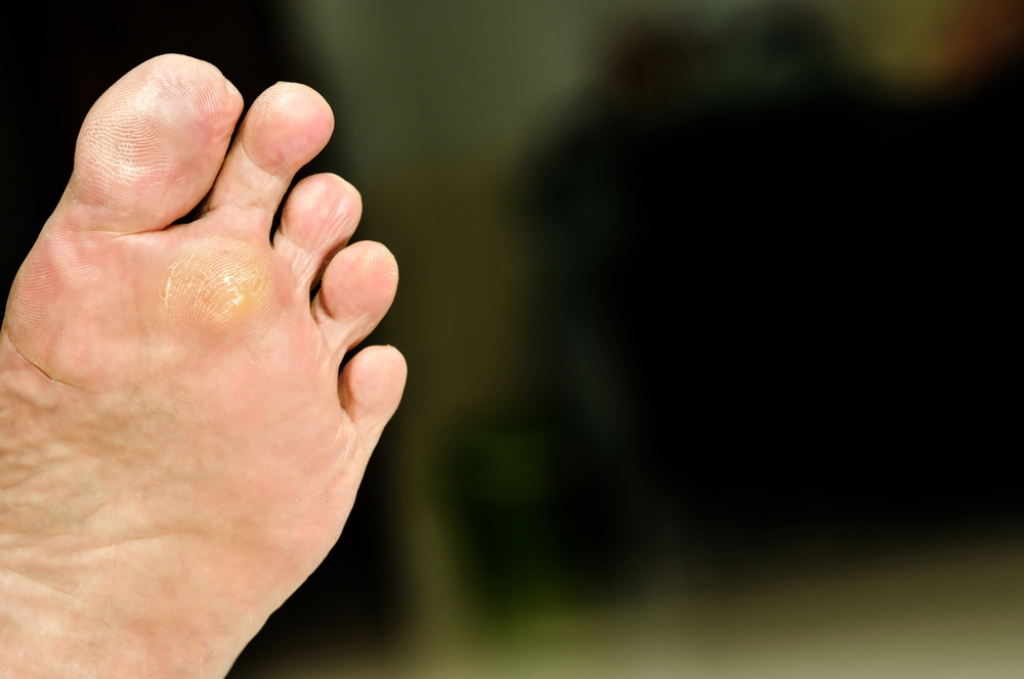
A common reason for blisters to develop on the feet is excessive pressure. This can happen as a result of wearing shoes that do not fit correctly, which may cause a part of the foot to rub against the shoe. A blister looks like a small bubble. It is filled with liquid and protects the damaged skin until it is replaced by new skin. It will gradually drain when the healing process is completed, and it is beneficial to refrain from prematurely popping it. Additional reasons to get a blister on the foot can consist of enduring a bad sunburn or having an allergic reaction to an insect bite. They may also develop from having an illness such as chickenpox. Treatment can begin with changing the shoes that are worn, followed by keeping the affected area clean and dry. Some people find it helpful to wear a protective covering over the blister until it has healed. If you have a blister on your foot, it is suggested that you consult with a podiatrist who can help you properly manage this condition.

Blisters are prone to making everyday activities extremely uncomfortable. If your feet are hurting, contact Kenneth Donovan, DPM of Advanced Care Foot and Ankle. Our doctor can provide the care you need to keep you pain-free and on your feet.

Foot Blisters

Foot blisters develop as a result of constantly wearing tight or ill-fitting footwear. This happens due to the constant rubbing from the shoe, which can often lead to pain.

What Are Foot Blisters?

A foot blister is a small fluid-filled pocket that forms on the upper-most layer of the skin. Blisters are filled with clear fluid and can lead to blood drainage or pus if the area becomes infected.

How Do Blisters Form?

Blisters on the feet are often the result of constant friction of skin and material, usually by shoe rubbing. Walking in sandals, boots, or shoes that don’t fit properly for long periods of time can result in a blister. Having consistent foot moisture and humidity can easily lead to blister formation.

Prevention & Treatment

It is important to properly care for the affected area in order to prevent infection and ease the pain. Do not lance the blister and use a Band-Aid to provide pain relief. Also, be sure to keep your feet dry and wear proper fitting shoes. If you see blood or pus in a blister, seek assistance from a podiatrist.

If you have any questions, please feel free to contact our office located in Charleston, SC . We offer the newest diagnostic and treatment technologies for all your foot care needs.

Read more about Blisters on the Feet

Who Can Get Plantar Warts?

Plantar warts are essentially growths that can form on the soles of the feet due to contracting the human papillomavirus. Many patients who are trying to prevent the onset of plantar warts will ask podiatrists who can get plantar warts. The answer is that ultimately anyone can develop a plantar wart. However, certain types of people are more susceptible than others. For example, children attending school may be more susceptible than adults to developing plantar warts. Additionally, individuals living with weakened immune systems could be especially prone to developing plantar warts. This might include people with HIV and those on chemotherapy. If you are living with plantar warts, it is suggested that you schedule an appointment with a podiatrist today for treatment options.

Plantar warts can be very uncomfortable. If you need your feet checked, contact Kenneth Donovan, DPM from Advanced Care Foot and Ankle. Our doctor will assist you with all of your foot and ankle needs.

About Plantar Warts

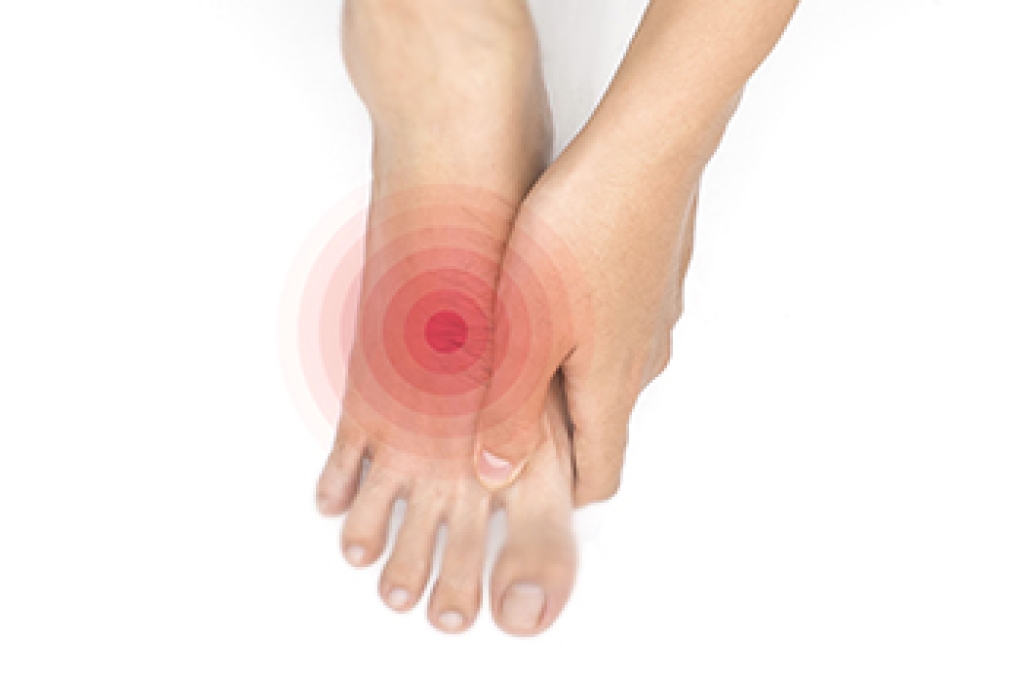
Plantar warts are the result of HPV, or human papillomavirus, getting into open wounds on the feet. They are mostly found on the heels or balls of the feet.

While plantar warts are generally harmless, those experiencing excessive pain or those suffering from diabetes or a compromised immune system require immediate medical care. Plantar warts are easily diagnosed, usually through scraping off a bit of rough skin or by getting a biopsy.

Symptoms

  • Lesions on the bottom of your feet, usually rough and grainy
  • Hard or thick callused spots
  • Wart seeds, which are small clotted blood vessels that look like little black spots
  • Pain, discomfort, or tenderness of your feet when walking or standing

Treatment

  • Freezing
  • Electric tool removal
  • Laser Treatment
  • Topical Creams (prescription only)
  • Over-the-counter medications

To help prevent developing plantar warts, avoid walking barefoot over abrasive surfaces that can cause cuts or wounds for HPV to get into. Avoiding direct contact with other warts, as well as not picking or rubbing existing warts, can help prevent the further spread of plantar warts. However, if you think you have developed plantar warts, speak to your podiatrist. He or she can diagnose the warts on your feet and recommend the appropriate treatment options.

If you have any questions, please feel free to contact our office located in Charleston, SC . We offer the newest diagnostic and treatment technologies for all your foot care needs.
Read more about Plantar Warts

Plantar Warts Can Be Treated!

Plantar warts are small growths that develop on parts of the feet that bear weight. They're typically found on the bottom of the foot. Don't live with plantar warts, and call us today!

Simple Steps That Can Help Diabetic Patients

Many diabetic patients realize the importance of maintaining proper foot care. This can be an overwhelming task to accomplish, and it is beneficial that small steps are taken that can simplify the process. It is important to engage in a gentle exercise program frequently, and this can help to improve blood circulation to the feet, as well as the overall body. Eating healthy foods that can comprise a healthy diet may help to monitor glucose levels, and existing nerve damage may be controlled. Stress can raise blood pressure, and elevating the feet at the end of the day may give them a needed rest and may help to reduce existing stress. Additionally, inspecting the feet daily can reveal any cuts and scrapes that have developed. Many people who are diabetic experience neuropathy, which is the inability to feel sensation in the feet. Family members or caregivers may help patients to see the soles of their feet by helping them to use a mirror. If you have diabetes, it is strongly suggested that you are under the care of a podiatrist who can help you to manage this condition.

Diabetic foot care is important in preventing foot ailments such as ulcers. If you are suffering from diabetes or have any other concerns about your feet, contact Kenneth Donovan, DPM from Advanced Care Foot and Ankle. Our doctor can provide the care you need to keep you pain-free and on your feet.

Diabetic Foot Care

Diabetes affects millions of people every year. The condition can damage blood vessels in many parts of the body, especially the feet. Because of this, taking care of your feet is essential if you have diabetes, and having a podiatrist help monitor your foot health is highly recommended.

The Importance of Caring for Your Feet

  • Routinely inspect your feet for bruises or sores.
  • Wear socks that fit your feet comfortably.
  • Wear comfortable shoes that provide adequate support.

Patients with diabetes should have their doctor monitor their blood levels, as blood sugar levels play such a huge role in diabetic care. Monitoring these levels on a regular basis is highly advised.

It is always best to inform your healthcare professional of any concerns you may have regarding your feet, especially for diabetic patients. Early treatment and routine foot examinations are keys to maintaining proper health, especially because severe complications can arise if proper treatment is not applied.

If you have any questions, please feel free to contact our office located in Charleston, SC . We offer the newest diagnostic and treatment technologies for all your foot care needs.

Read more about How to Care for Diabetic Foot

Connect With Us