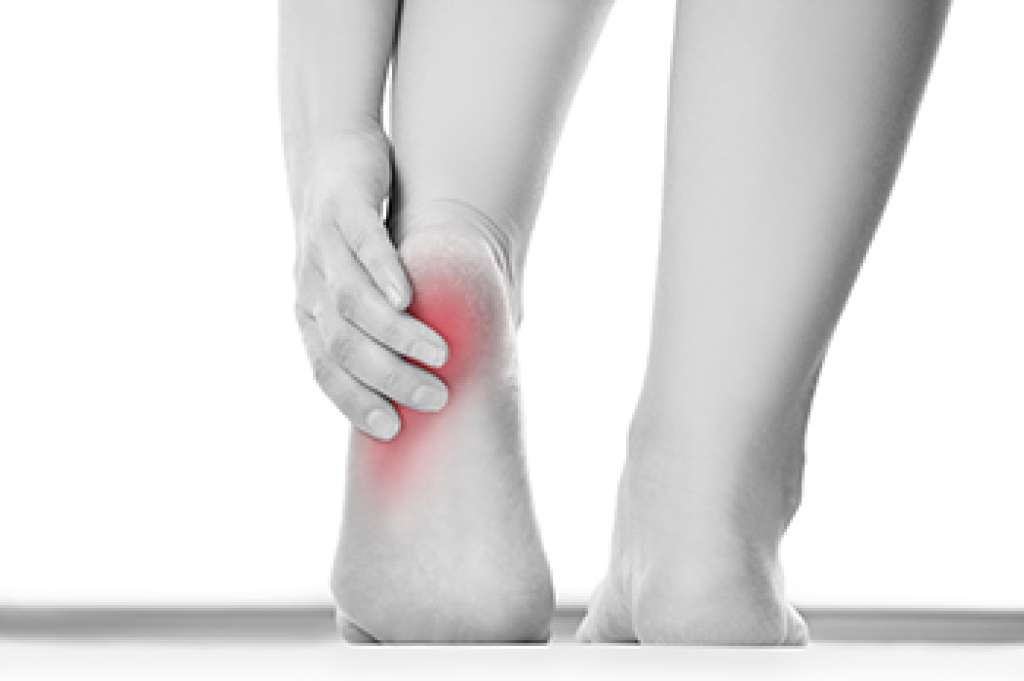
Understanding the Different Causes of Heel Pain

Heel pain is one of the most frequent foot complaints, but it does not always have a single cause. While plantar fasciitis is often blamed, fat pad atrophy or nerve entrapment can produce similar discomfort. Each cause has different symptoms. Plantar fasciitis often creates sharp pain with the first steps in the morning, while fat pad atrophy feels more like a deep bruise from loss of natural cushioning. Because symptoms can overlap, an accurate diagnosis is important in choosing the right treatment. A podiatrist can evaluate foot structure, activity level, and gait patterns to pinpoint the true source of pain. Treatments may include stretching, custom orthotics, footwear changes, or other targeted therapies. If heel pain is interfering with your daily comfort, it is suggested that you schedule a podiatric evaluation to find the most effective treatment solution.

Many people suffer from bouts of heel pain. For more information, contact Kenneth Donovan, DPM of Advanced Care Foot and Ankle. Our doctor can provide the care you need to keep you pain-free and on your feet.

Causes of Heel Pain

Heel pain is often associated with plantar fasciitis. The plantar fascia is a band of tissues that extends along the bottom of the foot. A rip or tear in this ligament can cause inflammation of the tissue.

Achilles tendonitis is another cause of heel pain. Inflammation of the Achilles tendon will cause pain from fractures and muscle tearing. Lack of flexibility is also another symptom.

Heel spurs are another cause of pain. When the tissues of the plantar fascia undergo a great deal of stress, it can lead to ligament separation from the heel bone, causing heel spurs.

Why Might Heel Pain Occur?

  • Wearing ill-fitting shoes                
  • Wearing non-supportive shoes
  • Weight change           
  • Excessive running

Treatments

Heel pain should be treated as soon as possible for immediate results. Keeping your feet in a stress-free environment will help. If you suffer from Achilles tendonitis or plantar fasciitis, applying ice will reduce the swelling. Stretching before an exercise like running will help the muscles. Using all these tips will help make heel pain a condition of the past.

If you have any questions, please feel free to contact our office located in Charleston, SC . We offer the newest diagnostic and treatment technologies for all your foot care needs.
Read more about Heel Pain

When That Toenail Starts to Hurt

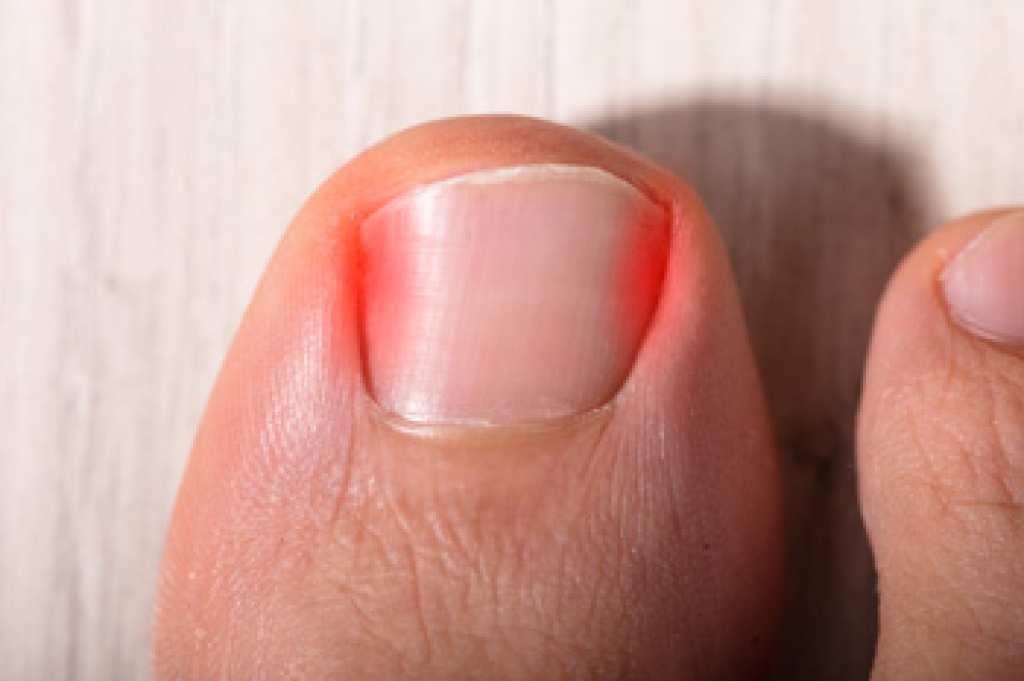
Ingrown toenails are a common, painful annoyance that can quickly derail your day. This happens when the edge of your nail grows into the surrounding skin, leading to redness, swelling, and tenderness. While it might start small, an untreated ingrown toenail can become quite serious. The constant irritation can allow bacteria to enter, causing a significant infection. The area may become inflamed, weep, or even develop an overgrowth of tissue, making every step excruciating. Many people try to tend to the ingrown toenail at home, but this often makes the problem worse and increases the risk of complications. Proper treatment involves gently lifting the nail edge or removing a small, offending piece to provide lasting relief. If you have an ingrown toenail, it is suggested that you seek professional care and effective treatment from a podiatrist.

Ingrown toenails can become painful if they are not treated properly. For more information about ingrown toenails, contact Kenneth Donovan, DPM of Advanced Care Foot and Ankle. Our doctor can provide the care you need to keep you pain-free and on your feet.

Ingrown Toenails

Ingrown toenails occur when a toenail grows sideways into the bed of the nail, causing pain, swelling, and possibly infection.

Causes

  • Bacterial infections
  • Improper nail cutting such as cutting it too short or not straight across
  • Trauma to the toe, such as stubbing, which causes the nail to grow back irregularly
  • Ill-fitting shoes that bunch the toes too close together
  • Genetic predisposition

Prevention

Because ingrown toenails are not something found outside of shoe-wearing cultures, going barefoot as often as possible will decrease the likeliness of developing ingrown toenails. Wearing proper fitting shoes and using proper cutting techniques will also help decrease your risk of developing ingrown toenails.

Treatment

Ingrown toenails are a very treatable foot condition. In minor cases, soaking the affected area in salt or antibacterial soaps will not only help with the ingrown nail itself, but also help prevent any infections from occurring. In more severe cases, surgery is an option. In either case, speaking to your podiatrist about this condition will help you get a better understanding of specific treatment options that are right for you.

If you have any questions, please feel free to contact our office located in Charleston, SC . We offer the newest diagnostic and treatment technologies for all your foot care needs.

Read more about Ingrown Toenail Care

Swollen Ankles and Possible Medication Causes

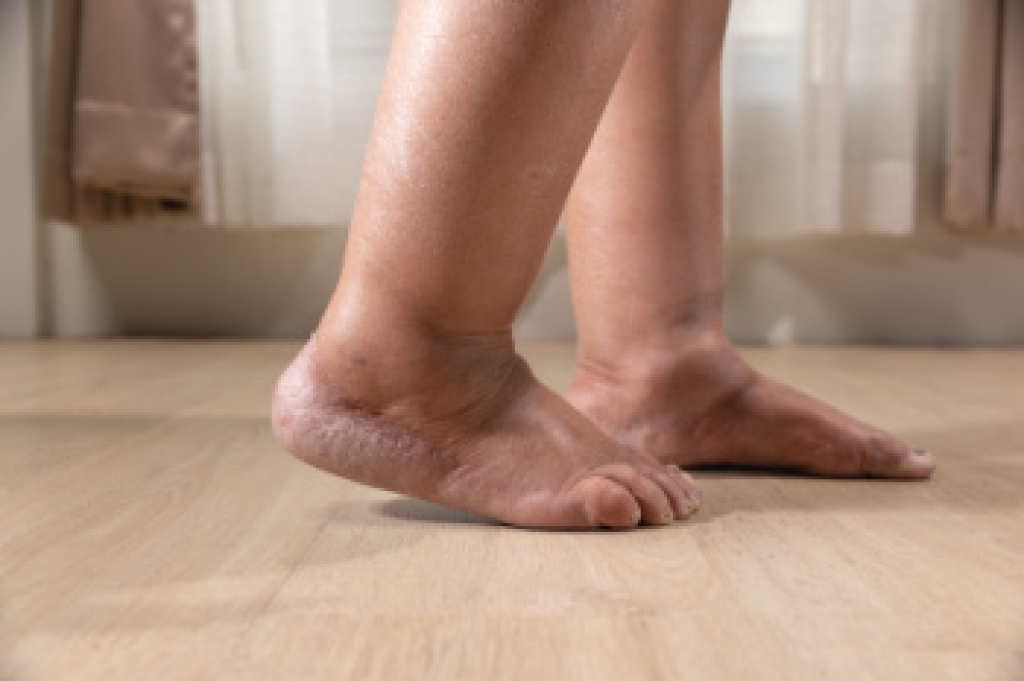
Swollen ankles occur when fluid accumulates in the tissues surrounding the ankle joint, leading to discomfort, tightness, and limited mobility. This condition can result from prolonged standing, injury, or underlying health issues such as heart, liver, or kidney disease. Certain medications, including blood pressure drugs, steroids, and hormone treatments, may also contribute to ankle swelling by affecting fluid balance in the body. Symptoms often include visible puffiness, heaviness, and sometimes pain or redness. A podiatrist can evaluate the cause of swollen ankles, recommend lifestyle changes, prescribe supportive devices, and develop a treatment plan to reduce swelling and prevent complications. If you have swollen feet, it is suggested that you consult a podiatrist who can offer effective relief tips.

Swollen feet can be a sign of an underlying condition. If you have any concerns, contact Kenneth Donovan, DPM of Advanced Care Foot and Ankle. Our doctor can provide the care you need to keep you pain-free and on your feet.

Swollen feet are a common ailment among pregnant women and people who stand or sit for extended periods. Aging may increase the possibility of swollen feet and patients who are obese often notice when their feet are swelling too. There may be medical reasons why swollen feet occur:

  • Phlebitis - A condition that causes the veins to become inflamed and can also cause leg pain.
  • Liver disease - This may lead to low blood levels of albumin which is a protein. This can cause fluid in the blood to pass into the tissues and several areas of the body can become swollen.
  • Heart failure - When the heart doesn’t pump properly the blood that is normally pumped back to the heart can pool in the veins of the legs causing swollen feet.
  • Kidney disease - One of the main functions of the kidneys is releasing excess fluid in the body. This type of condition can make it difficult for the kidneys to function properly, and as a result the feet may become swollen.
  • Deep-vein thrombosis (DVT)- This is a serious condition where blood clots form in the veins of the legs. They can block the return of blood from the legs to the heart which may cause the feet to swell. It is important to be treated by a podiatrist if this condition is present.

Swollen feet can also be caused by bone and tendon conditions, including fractures, arthritis, and tendinitis. Additionally, there may be skin and toenail conditions and an infection may cause the feet to swell. Patients who take medicine to treat high blood pressure may be prone to getting swollen feet. 

Many patients elevate their feet to help relieve the swelling and this is generally a temporary remedy. When a podiatrist is consulted the reason behind the swelling can be uncovered and subsequently treated.

If you have any questions please contact our office located in Charleston, SC . We offer the newest diagnostic and treatment technologies for all your foot and ankle needs.

Read more about Swelling of the Feet

Living With Metatarsalgia

Metatarsalgia is more than simple soreness in the ball of the foot. Many people describe it as the sensation of constantly walking on a stone, and it can turn everyday activities into a challenge. This pain often develops beneath the metatarsal bones that support the toes. It may arise from wearing shoes that lack support, frequent high impact exercise, or changes in foot structure. Over time, the discomfort can spread, making standing or walking increasingly difficult. Supportive footwear and rest can provide some relief, while targeted stretching helps improve balance in the foot muscles. However, if left unaddressed, the condition may progress and limit mobility. Paying attention to early symptoms can make a difference in recovery. If you notice ongoing pain in the ball of your foot, it is suggested that you seek care from a podiatrist for an accurate diagnosis and personalized treatment.

Foot Pain

Foot pain can be extremely painful and debilitating. If you have a foot pain, consult with Kenneth Donovan, DPM from Advanced Care Foot and Ankle. Our doctor will assess your condition and provide you with quality foot and ankle treatment.

Causes

Foot pain is a very broad condition that could be caused by one or more ailments. The most common include:

  • Bunions
  • Hammertoes
  • Plantar Fasciitis
  • Bone Spurs
  • Corns
  • Tarsal Tunnel Syndrome
  • Ingrown Toenails
  • Arthritis (such as Gout, Rheumatoid, and Osteoarthritis)
  • Flat Feet
  • Injury (from stress fractures, broken toe, foot, ankle, Achilles tendon ruptures, and sprains)
  • And more

Diagnosis

To figure out the cause of foot pain, podiatrists utilize several different methods. This can range from simple visual inspections and sensation tests to X-rays and MRI scans. Prior medical history, family medical history, and any recent physical traumatic events will all be taken into consideration for a proper diagnosis.

Treatment

Treatment depends upon the cause of the foot pain. Whether it is resting, staying off the foot, or having surgery; podiatrists have a number of treatment options available for foot pain.

If you have any questions, please feel free to contact our office located in Charleston, SC . We offer the newest diagnostic and treatment technologies for all your foot care needs.

Read more about Foot Pain

Heel Pain in the Morning?

Heel pain can negatively affect your day-to-day life. Simple activities like walking can become incredibly uncomfortable or painful due to heel pain.

Don’t live with heel pain and get treated.

When to See a Doctor for a Blister

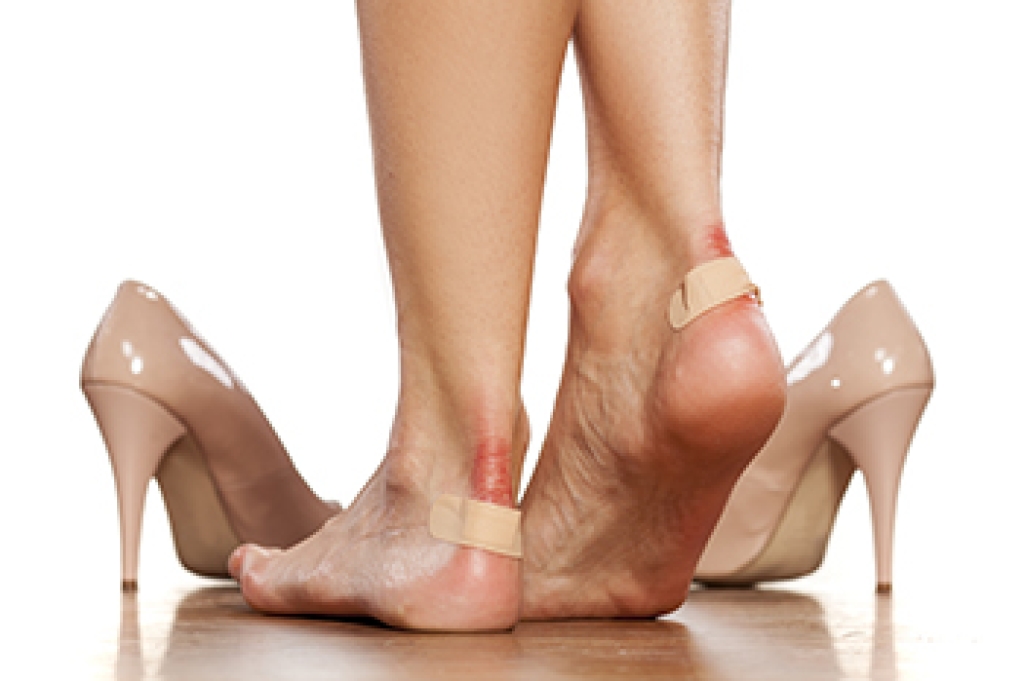
Blisters are small, fluid-filled sacs that form on the skin due to friction, pressure, or burns. They typically appear as raised, tender bumps and can be filled with clear or bloody fluid. The most common causes of blisters are wearing tight shoes, walking long distances, or exposure to heat or moisture. Symptoms include pain, swelling, and a feeling of discomfort when the blister is touched or moved. In many cases, blisters heal on their own with proper care, which includes keeping the area clean and protected. However, if a blister becomes red, increases in size, or has discolored discharge, it may be infected and require medical attention. A podiatrist can provide expert care by safely draining the blister to prevent infection and recommending appropriate treatments like antibiotic ointments or protective dressings. If you have a blister that is not healing, it is suggested that you schedule an appointment with a podiatrist.

Blisters may appear as a single bubble or in a cluster. They can cause a lot of pain and may be filled with pus, blood, or watery serum. If your feet are hurting, contact Kenneth Donovan, DPM of Advanced Care Foot and Ankle. Our doctor can provide the care you need to keep you pain-free and on your feet.

Foot Blisters

Foot blisters are often the result of friction. This happens due to the constant rubbing from shoes, which can lead to pain.

What Are Foot Blisters?

A foot blister is a small fluid-filled pocket that forms on the upper-most layer of the skin. Blisters are filled with clear fluid and can lead to blood drainage or pus if the area becomes infected.

Symptoms

(Blister symptoms may vary depending on what is causing them)

  • Bubble of skin filled with fluid
  • Redness
  • Moderate to severe pain
  • Itching

Prevention & Treatment

In order to prevent blisters, you should be sure to wear comfortable shoes with socks that cushion your feet and absorb sweat. Breaking a blister open may increase your chances of developing an infection. However, if your blister breaks, you should wash the area with soap and water immediately and then apply a bandage to the affected area. If your blisters cause severe pain it is important that you call your podiatrist right away.

If you have any questions, please feel free to contact our office located in Charleston, SC . We offer the newest diagnostic and treatment technologies for all your foot care needs.
Read more about Blisters

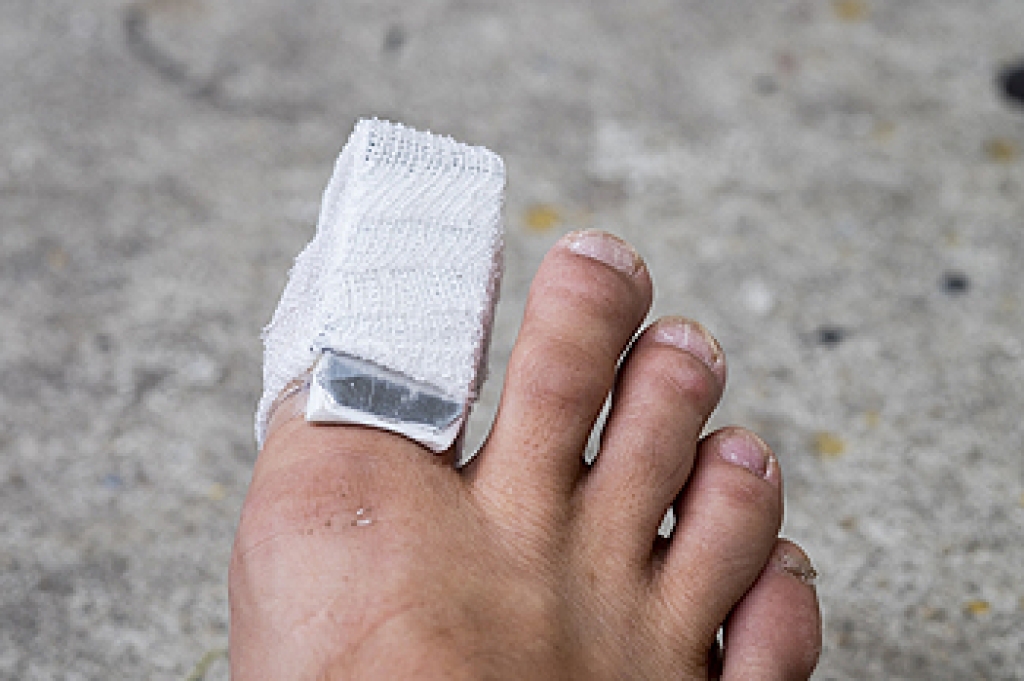
An Effective Treatment Method For Broken Toes

Common reasons why a broken toe can occur may be from stubbing it against a piece of furniture, or if a heavy object drops on it. In severe fractures, the patient may hear the bone as it cracks, and this most likely indicates that it is a broken toe. Some of the symptoms that are associated with this condition can include swelling, bruising, and the toe may tingle and feel numb. Many broken toes are treated by using the buddy taping method. This consists of taping the affected toe to the toe next to it. This is helpful in providing the necessary support as the healing process begins. If you feel you may have a broken toe, it is suggested that you consult with a podiatrist who can perform a proper diagnosis and offer correct treatment options.

Broken toes may cause a lot of pain and should be treated as soon as possible. If you have any concerns about your feet, contact Kenneth Donovan, DPM from Advanced Care Foot and Ankle. Our doctor will treat your foot and ankle needs.

What Is a Broken Toe?

A broken toe occurs when one or more of the toe bones of the foot are broken after an injury. Injuries such as stubbing your toe or dropping a heavy object on it may cause a toe fracture.

Symptoms of a Broken Toe

  • Swelling
  • Pain (with/without wearing shoes)
  • Stiffness
  • Nail Injury

Although the injured toe should be monitored daily, it is especially important to have a podiatrist look at your toe if you have severe symptoms. Some of these symptoms include worsening or new pain that is not relieved with medication, sores, redness, or open wounds near the toe.

If you have any questions please feel free to contact our office located in Charleston, SC . We offer the newest diagnostic tools and technology to treat your foot and ankle needs.

Read more about What to Know About a Broken Toe

What Eases the Pain of Bunions and Bunionettes?

Bunions and bunionettes are deformities of the toes. A bunion occurs as a bony lump on the outside of the big toe. It causes the tip of the toe to excessively angle towards the other toes. A bunionette occurs on the pinky toe. Symptoms of a bunion or bunionette are a bulging bump on the side of the affected toe, swelling or redness around the toe, restricted movement, physical discomfort or pain, numbness, and difficulty walking. Both bunions and bunionettes can be caused or made worse by wearing poorly-fitted, tight, or uncomfortable shoes. Orthotics can help ease the pain associated with bunions and bunionettes by distributing the weight of the body evenly along the surface of the foot and relieving pressure on the affected toes. To find out if orthotics may help you with your bunion pain, please consult with a podiatrist. 

If you are having discomfort in your feet and would like to try orthotics, contact Kenneth Donovan, DPM from Advanced Care Foot and Ankle. Our doctor can provide the care you need to keep you pain-free and on your feet.

What Are Orthotics?

Orthotics are inserts you can place into your shoes to help with a variety of foot problems such as flat feet or foot pain. Orthotics provide relief and comfort for minor foot and heel pain but can’t correct serious biomechanical problems in your feet.

Over-the-Counter Inserts

Orthotics come in a wide variety of over-the-counter inserts that are used to treat foot pain, heel pain, and minor problems. For example, arch supports can be inserted into your shoes to help correct overarched or flat feet, while gel insoles are often used because they provide comfort and relief from foot and heel pain by alleviating pressure.

Prescription Orthotics

If over-the-counter inserts don’t work for you or if you have a more severe foot concern, it is possible to have your podiatrist prescribe custom orthotics. These high-quality inserts are designed to treat problems such as abnormal motion, plantar fasciitis, and severe forms of heel pain. They can even be used to help patients suffering from diabetes by treating foot ulcers and painful calluses and are usually molded to your feet individually, which allows them to provide full support and comfort.

If you are experiencing minor to severe foot or heel pain, it’s recommended to speak with your podiatrist about the possibilities of using orthotics. A podiatrist can determine which type of orthotic is right for you and allow you to take the first steps towards being pain-free.

If you have any questions, please feel free to contact our office located in Charleston, SC . We offer the newest diagnostic and treatment technologies for all your foot care needs.
Read more about Foot Orthotics

Protecting Your Feet With Regular Diabetic Checkups

Living with diabetes requires careful attention to foot health. High blood sugar levels can damage nerves and blood vessels, leading to decreased sensation and circulation in the feet. Because of this, even a small cut, blister, or sore may go unnoticed, and develop into a serious complication, if not addressed promptly. A diabetic foot exam is a key step in preventing these problems. During the exam, a podiatrist checks the skin for cuts, calluses, infections, or signs of poor healing. They also test for nerve function and circulation to detect early changes that could put you at risk for ulcers or infections. Wearing proper footwear and daily at-home foot checks are often discussed as part of the visit. Regular foot exams can help catch issues before they become severe. If you have diabetes, it is suggested that you schedule regular foot exams with a podiatrist to protect your long-term health.

Diabetic foot care is important in preventing foot ailments such as ulcers. If you are suffering from diabetes or have any other concerns about your feet, contact Kenneth Donovan, DPM from Advanced Care Foot and Ankle. Our doctor can provide the care you need to keep you pain-free and on your feet.

Diabetic Foot Care

Diabetes affects millions of people every year. The condition can damage blood vessels in many parts of the body, especially the feet. Because of this, taking care of your feet is essential if you have diabetes, and having a podiatrist help monitor your foot health is highly recommended.

The Importance of Caring for Your Feet

  • Routinely inspect your feet for bruises or sores.
  • Wear socks that fit your feet comfortably.
  • Wear comfortable shoes that provide adequate support.

Patients with diabetes should have their doctor monitor their blood levels, as blood sugar levels play such a huge role in diabetic care. Monitoring these levels on a regular basis is highly advised.

It is always best to inform your healthcare professional of any concerns you may have regarding your feet, especially for diabetic patients. Early treatment and routine foot examinations are keys to maintaining proper health, especially because severe complications can arise if proper treatment is not applied.

If you have any questions, please feel free to contact our office located in Charleston, SC . We offer the newest diagnostic and treatment technologies for all your foot care needs.

Read more about Diabetic Foot Care

It's Time for Beautiful Feet

You don't need an excuse to have beautiful nails. Step outside without worrying about the appearance of your feet.

Connect With Us