Definition and Diagnosis of Onychomycosis

Onychomycosis, commonly known as a fungal nail infection, unveils itself as a subtle yet persistent condition that warrants attention. This ailment occurs when fungi, often dermatophytes, yeast, or molds, invade the toenails, leading to a range of symptoms. The definition lies in the gradual discoloration, thickening, and distortion of the affected nails. Diagnosing onychomycosis involves a careful examination by a podiatrist who may analyze nail samples under a microscope or through a culture to identify the causative fungi. The condition, often exacerbated by warm, moist environments, compromised immunity, or pre-existing nail injuries, can be challenging to eradicate. Early detection and prompt intervention are vital for effective management. Understanding the nuances of onychomycosis empowers individuals to seek timely medical assistance, initiating targeted treatments and preventive measures for healthier, fungus-free nails. If you have developed toenail fungus, it is strongly suggested that you are under the care of a podiatrist who can offer you successful treatment options in addition to effective preventive methods.

For more information about treatment, contact Kenneth Donovan, DPM of Advanced Care Foot and Ankle. Our doctor can provide the care you need to keep you pain-free and on your feet.

Toenail Fungus Treatment

Toenail fungus is a condition that affects many people and can be especially hard to get rid of. Fortunately, there are several methods to go about treating and avoiding it.

Antifungals & Deterrence

Oral antifungal medicine has been shown to be effective in many cases. It is important to consult with a podiatrist to determine the proper regiment for you, or potentially explore other options.

Applying foot powder on the feet and shoes helps keep the feet free of moisture and sweat.

Sandals or open toed shoes – Wearing these will allow air movement and help keep feet dry. They also expose your feet to light, which fungus cannot tolerate. Socks with moisture wicking material also help as well.

If you have any questions please contact our office located in Charleston, SC . We offer the newest diagnostic and treatment technologies for all your foot and ankle needs.

Read more about Toenail Fungus

Teen Foot Blisters

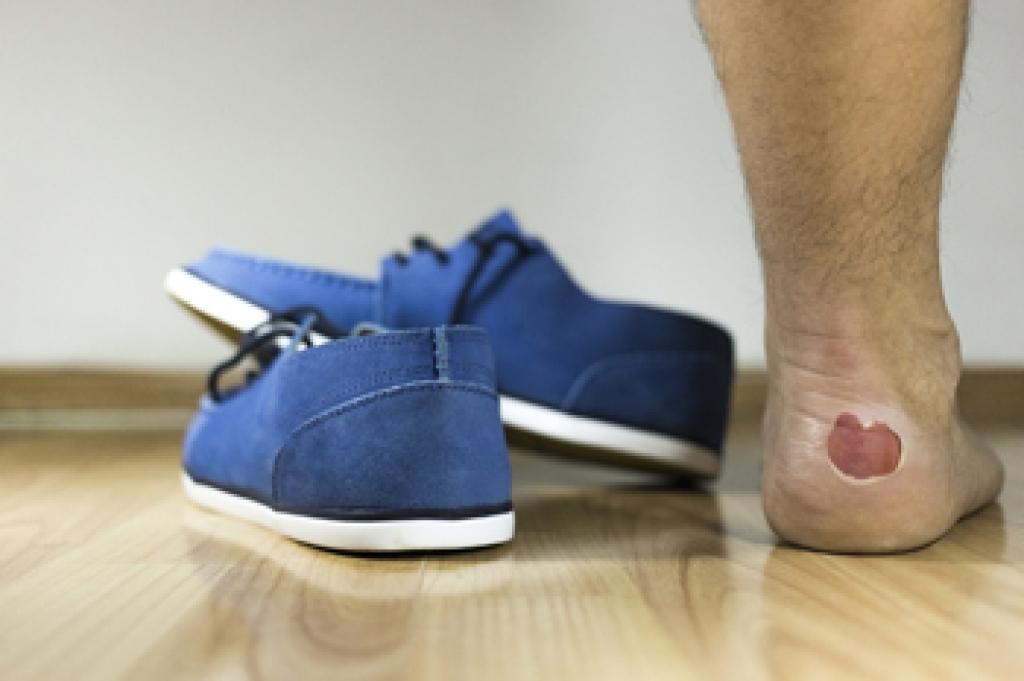
Teenagers often develop foot blisters due to friction, which can be the result of wearing new or ill-fitting shoes, engaging in high-intensity activities, or having sweaty feet. The best way to manage these blisters is to keep them clean with gentle soap and water and to protect them with a sterile bandage or specialized blister plaster that can cushion the area and soak up excess moisture. It is crucial not to pop blisters, as the skin covering them acts as a protective barrier against infection. Should a blister break on its own, the area should be cleaned, an antibiotic ointment applied, and then re-covered with a clean bandage. Ensuring footwear fits correctly and socks are moisture-wicking will help prevent further irritation. In cases where blisters are particularly painful, keep reoccurring, or show signs of infection, it is suggested that you make an appointment with a podiatrist who can provide additional treatment and prevention strategies.

Blisters are prone to making everyday activities extremely uncomfortable. If your feet are hurting, contact Kenneth Donovan, DPM of Advanced Care Foot and Ankle. Our doctor can provide the care you need to keep you pain-free and on your feet.

Foot Blisters

Foot blisters develop as a result of constantly wearing tight or ill-fitting footwear. This happens due to the constant rubbing from the shoe, which can often lead to pain.

What Are Foot Blisters?

A foot blister is a small fluid-filled pocket that forms on the upper-most layer of the skin. Blisters are filled with clear fluid and can lead to blood drainage or pus if the area becomes infected.

How Do Blisters Form?

Blisters on the feet are often the result of constant friction of skin and material, usually by shoe rubbing. Walking in sandals, boots, or shoes that don’t fit properly for long periods of time can result in a blister. Having consistent foot moisture and humidity can easily lead to blister formation.

Prevention & Treatment

It is important to properly care for the affected area in order to prevent infection and ease the pain. Do not lance the blister and use a Band-Aid to provide pain relief. Also, be sure to keep your feet dry and wear proper fitting shoes. If you see blood or pus in a blister, seek assistance from a podiatrist.

If you have any questions, please feel free to contact our office located in Charleston, SC . We offer the newest diagnostic and treatment technologies for all your foot care needs.

Read more about Blisters

Are You Suffering From Ingrown Toenails?

If left untreated, an ingrown toenail can lead to more serious concerns, such as an infection. Knowing proper nail care can help in the prevention of an ingrown toenail. Give us a call, and get treated!

Tips to Prevent Jogging and Running Injuries

Running and jogging are fantastic ways to stay active and maintain physical fitness, but they also come with potential injury risks. To ensure you can enjoy these activities safely and remain injury- free, consider these key strategies. Firstly, invest in the right footwear. Proper running shoes provide essential support, cushioning, and shock absorption to minimize the risk of injuries. It is important to make sure they fit well and match your gait. Always prioritize warm up and cool down routines. Dynamic stretches before your run and static stretches afterward can improve flexibility and reduce the risk of muscle strains. Progressive training is vital. Gradually increasing the intensity and duration of your runs can allow your body to adapt and reduce the risk of overuse injuries. Lastly, mix up your running surfaces to reduce the impact on your joints. Incorporating grass, trails, and tracks into your routine can help prevent overuse injuries on harder surfaces. By following these guidelines, you can minimize the risk of running and jogging injuries, making these activities enjoyable and sustainable parts of your fitness regimen. For more information on effective running injury prevention techniques, it is suggested that you contact a podiatrist who can provide you with this knowledge. 

Exercising your feet regularly with the proper foot wear is a great way to prevent injuries. If you have any concerns about your feet, contact Kenneth Donovan, DPM of Advanced Care Foot and Ankle. Our doctor will treat your foot and ankle needs.

How to Prevent Running Injuries

Many common running injuries are caused by overuse and overtraining. When the back of the kneecap starts wearing out and starts causing pain in your knee, this is commonly referred to as runner’s knee. Runner’s knee is a decrease in strength in your quadriceps and can occur if you’re not wearing properly fitted or supporting shoes. To prevent runner’s knee, focusing on hip strengthening is a good idea, as well as strengthening your quads to keep the kneecaps aligned.

What Are Some Causes of Running Injuries? 
- One cause of a common running injury is called iliotibial band syndrome.
- Plantar fasciitis is also another common injury.
- Stress fractures can occur from overtraining, lack of calcium, or even your running style.

Best Ways to Prevent Running Injuries
- Wear footwear that fits properly and suits your running needs.
- Running shoes are the only protective gear that runners have to safeguard them from injury.
- Make a training schedule. Adding strengthening exercises as well as regular stretching can help keep you strong and limber and can lessen the possibility of injuries.
- Stretching keeps muscles limber; this will help you gain better flexibility.

If you have any questions, please feel free to contact our office located in Charleston, SC . We offer the newest diagnostic and treatment technologies for all your foot care needs.

Read more about How to Prevent Running Injuries

Types of Arthritis That Can Impact the Feet

Various forms of arthritis can have specific effects on the feet. Osteoarthritis, or OA, most often affects the first metatarsophalangeal joint, connecting the big toe to the foot. It can also be found in the midfoot and ankle. In contrast, rheumatoid arthritis, or RA, typically appears in both feet and affects the same joints symmetrically. Gout is known for frequently targeting the feet, particularly the big toe, and causing intense pain during flares ups. Psoriatic arthritis, or PsA, can impact the toes, leading to swollen, sausage-like digits known as dactylitis. Additionally, it often involves inflammation at the points where tendons and ligaments attach to bones. The feet can be affected, resulting in plantar fasciitis and painful bone spurs, among other conditions. Ankylosing spondylitis also brings about plantar fasciitis and discomfort at the Achilles tendon, affecting the feet. Each of these types of arthritis presents distinct challenges and symptoms in the foot region. If you have foot pain, it is suggested that you make an appointment with a podiatrist to discuss whether arthritis may be the cause. This type of doctor can determine what type of arthritis has developed and guide you toward the necessary treatments for relief. 

Arthritis can be a difficult condition to live with. If you are seeking treatment, contact Kenneth Donovan, DPM from Advanced Care Foot and Ankle. Our doctor can provide the care you need to keep you pain-free and on your feet.

Arthritic Foot Care  

Arthritis is a joint disorder that involves the inflammation of different joints in your body, such as those in your feet. Arthritis is often caused by a degenerative joint disease and causes mild to severe pain in all affected areas. In addition to this, swelling and stiffness in the affected joints can also be a common symptom of arthritis.

In many cases, wearing ill-fitting shoes can worsen the effects and pain of arthritis. Wearing shoes that have a lower heel and extra room can help your feet feel more comfortable. In cases of rheumatoid arthritis, the arch in your foot may become problematic. Buying shoes with proper arch support that contour to your feet can help immensely.

Alleviating Arthritic Pain

  • Exercises that stretch the foot can prevent further pain and injury and increase mobility
  • Most of the pain can be alleviated with anti-inflammatory drugs, heat, and topical medications
  • Massages can help temporarily alleviate pain.

It is best to see your doctor for the treatment that is right for your needs and symptoms. Conditions vary, and a podiatrist can help you determine the right method of care for your feet.

If you have any questions please feel free to contact our office located in Charleston, SC . We offer the newest diagnostic tools and technology to treat your foot and ankle needs.

Read more about Arthritic Foot Care

A Closer Look at Foot Pain From Sesamoiditis

Sesamoiditis, while not a widely recognized term, is a relatively common condition that can cause discomfort in the feet. It occurs when there is inflammation or irritation of the sesamoid bones, two small, pea-shaped bones that are located beneath the big toe. These tiny bones play a significant role in weight-bearing and help control the tendons that flex and move the toe. Sesamoiditis is often associated with repetitive stress, particularly in activities such as dancing, running, or high-impact sports, which place a strain on the forefoot. A common symptom is persistent pain in the ball of the foot, just beneath the big toe. This pain can be sharp or dull, and it typically worsens with activities that involve pushing off the toes, like running or jumping. Understanding sesamoiditis is crucial for those experiencing foot pain in this area, as it can be effectively managed. If you have pain or discomfort in this area of your foot, it is suggested that you consult a podiatrist who can accurately diagnose, treat, and manage sesamoiditis.

Sesamoiditis is an unpleasant foot condition characterized by pain in the balls of the feet. If you think you’re struggling with sesamoiditis, contact Kenneth Donovan, DPM of Advanced Care Foot and Ankle. Our doctor will treat your condition thoroughly and effectively.

Sesamoiditis

Sesamoiditis is a condition of the foot that affects the ball of the foot. It is more common in younger people than it is in older people. It can also occur with people who have begun a new exercise program, since their bodies are adjusting to the new physical regimen. Pain may also be caused by the inflammation of tendons surrounding the bones. It is important to seek treatment in its early stages because if you ignore the pain, this condition can lead to more serious problems such as severe irritation and bone fractures.

Causes of Sesamoiditis

  • Sudden increase in activity
  • Increase in physically strenuous movement without a proper warm up or build up
  • Foot structure: those who have smaller, bonier feet or those with a high arch may be more susceptible

Treatment for sesamoiditis is non-invasive and simple. Doctors may recommend a strict rest period where the patient forgoes most physical activity. This will help give the patient time to heal their feet through limited activity. For serious cases, it is best to speak with your doctor to determine a treatment option that will help your specific needs.

If you have any questions, please feel free to contact our office located in Charleston, SC . We offer the newest diagnostic and treatment technologies for all your foot care needs.

Read more about Sesamoiditis

Common Ways to Break an Ankle

A broken ankle occurs when one of more of the three bones that make up the ankle joint is injured. This includes the tibia and fibula, which are calf bones and the talus, which is a web-shaped bone inside the joint. Following are common causes of a broken ankle. Car accidents can often be the source of crushing injuries that can result in an ankle fracture. Also, if you jump from a height and land on your feet, it can result in ankle bone injuries. When a heavy weight falls on your foot, it can break your ankle. Sometimes, when you miss a step while climbing up the stairs or walking down, you can break your ankle. The weight-bearing bones in your feet and ankles are prone to stress. Strong, repetitive forces or overuse, like running for long distances, can result in tiny cracks in them. Stress fractures and bone thinning conditions, such as osteoporosis, can also result in ankle bone injuries. Falling on slippery and wet surfaces, tripping, or stepping into a hole can cause ankle fractures and injuries. When you place the foot down in a wrong manner, twist the ankle, or apply excess pressure on your foot, you can break your ankle. If you believe that you have broken a bone in your ankle, it is strongly suggested that you seek immediate medical attention from a podiatrist.

Broken ankles need immediate treatment. If you are seeking treatment, contact Kenneth Donovan, DPM from Advanced Care Foot and Ankle. Our doctor can provide the care you need to keep you pain-free and on your feet. 

Broken Ankles
A broken ankle is experienced when a person fractures their tibia or fibula in the lower leg and ankle area. Both of these bones are attached at the bottom of the leg and combine to form what we know to be our ankle.

When a physician is referring to a break of the ankle, he or she is usually referring to a break in the area where the tibia and fibula are joined to create our ankle joint. Ankles are more prone to fractures because the ankle is an area that suffers a lot of pressure and stress. There are some obvious signs when a person experiences a fractured ankle, and the following symptoms may be present.

Symptoms of a Fractured Ankle

  • Excessive pain when the area is touched or when any pressure is placed on the ankle
  • Swelling around the area
  • Bruising of the area
  • Area appears to be deformed

If you suspect an ankle fracture, it is recommended to seek treatment as soon as possible. The sooner you have your podiatrist diagnose the fracture, the quicker you’ll be on the way towards recovery.

If you have any questions, please feel free to contact our office located in Charleston, SC . We offer the newest diagnostic and treatment technologies for all your foot care needs.

Read more about All About Broken Ankle

Let the Expert Treat Your Ingrown Toenails

Ingrown toenails can be painful and can make wearing shoes or walking uncomfortable. Seek professional help if you believe you've developed an ingrown toenail and be treated safely. 

Why Do I Have Foot Pain?

Foot pain is a common complaint that can have various origins, making it necessary to pinpoint the underlying cause for effective treatment. One common culprit is overuse or strain, often seen in athletes or individuals who spend long hours on their feet. Arthritis, both osteoarthritis and rheumatoid arthritis, can trigger pain by causing inflammation and joint damage in the feet. Footwear plays a significant role and wearing ill-fitting shoes or high heels can lead to pain and discomfort. Additionally, flat feet or high arches can cause biomechanical imbalances, leading to pain. Infections, such as athlete's foot or fungal nail infections, can be a source of discomfort. Nerve issues consisting of neuropathy, can also manifest as foot pain. Trauma or injuries, like sprains, fractures, or torn ligaments, require immediate attention. Diabetes related complications can contribute to nerve and circulation problems leading to chronic foot pain. Identifying the specific cause of foot pain is essential for targeted treatment and relief. If you have any type of foot pain, it is suggested that you make an appointment with a podiatrist who can determine what the cause is, and offer you correct treatment methods. 

Foot Pain

Foot pain can be extremely painful and debilitating. If you have a foot pain, consult with Kenneth Donovan, DPM from Advanced Care Foot and Ankle. Our doctor will assess your condition and provide you with quality foot and ankle treatment.

Causes

Foot pain is a very broad condition that could be caused by one or more ailments. The most common include:

  • Bunions
  • Hammertoes
  • Plantar Fasciitis
  • Bone Spurs
  • Corns
  • Tarsal Tunnel Syndrome
  • Ingrown Toenails
  • Arthritis (such as Gout, Rheumatoid, and Osteoarthritis)
  • Flat Feet
  • Injury (from stress fractures, broken toe, foot, ankle, Achilles tendon ruptures, and sprains)
  • And more

Diagnosis

To figure out the cause of foot pain, podiatrists utilize several different methods. This can range from simple visual inspections and sensation tests to X-rays and MRI scans. Prior medical history, family medical history, and any recent physical traumatic events will all be taken into consideration for a proper diagnosis.

Treatment

Treatment depends upon the cause of the foot pain. Whether it is resting, staying off the foot, or having surgery; podiatrists have a number of treatment options available for foot pain.

If you have any questions, please feel free to contact our office located in Charleston, SC . We offer the newest diagnostic and treatment technologies for all your foot care needs.

Read more about Foot Pain

Fascinating Facts About Children's Feet

Children's feet are amazing structures that undergo significant development and growth, making them quite intriguing. A baby's foot at birth contains only cartilage and gradually ossifies into bone over time.  As they grow, the arches of their feet start forming at approximately age two and continue developing into early adulthood. Surprisingly, children have about twice as many foot sweat glands as adults, but their sweat does not develop an odor until puberty. The skin on a child's foot is also very delicate, making them susceptible to injuries and conditions such as warts and athlete's foot. It is important to encourage barefoot play to promote healthy development. A podiatrist can provide you with knowledge about children’s feet, and it is suggested that you contact this type of doctor if you would like to learn more.

Making sure that your children maintain good foot health is very important as they grow. If you have any questions, contact Kenneth Donovan, DPM of Advanced Care Foot and Ankle. Our doctor can provide the care you need to keep you pain-free and on your feet.

Keeping Children's Feet Healthy

Having healthy feet during childhood can help prevent medical problems later in life, namely in the back and legs. As children grow, their feet require different types of care. Here are some things to consider...

Although babies do not walk yet, it is still very important to take care of their feet.

Avoid putting tight shoes or socks on his or her feet.

Allow the baby to stretch and kick his or her feet to feel comfortable.

As a toddler, kids are now on the move and begin to develop differently. At this age, toddlers are getting a feel for walking, so don’t be alarmed if your toddler is unsteady or ‘walks funny’. 

As your child gets older, it is important to teach them how to take care of their feet.

Show them proper hygiene to prevent infections such as fungus.

Be watchful for any pain or injury.

Have all injuries checked by a doctor as soon as possible.

Comfortable, protective shoes should always be worn, especially at play.

If you have any questions, please feel free to contact our office located in Charleston, SC . We offer the newest diagnostic and treatment technologies for all your foot care needs.

Read more about What to Do to Keep Your Child’s Feet Healthy

Connect With Us