How Tight Should You Tie Your Shoes?

One rite of passage into young adulthood is learning how to tie one’s shoes without any help. However, when it comes to running shoes, many runners are unsure about how tight one ought to tie their laces when lacing up running shoes. Although everyone’s needs will be slightly different, one important rule of thumb to keep in mind is that the shoes ought to fit snugly against the feet. However, the laces should not be tied so that the shoe is resting tightly against the foot. Selecting a running shoe involves making many important decisions, and the laces are just one kind of decision. If you are a runner and want to make sure that you are doing all that you can to select the correct running shoe and are tying the laces correctly, contact a podiatrist today. By scheduling an appointment, you can help ensure that you are receiving the guidance you need to protect your feet.

Finding a properly-fitting shoe is important in reducing injuries and preventing foot problems. For more information about treatment, contact Kenneth Donovan, DPM from Advanced Care Foot and Ankle. Our doctor will treat your foot and ankle needs.

Proper Shoe Fitting

A common concern when it comes to foot health, having properly fitted shoes can help prevent injuries to the foot. Out feet affect our posture and gait, which in turn affects the biomechanics and overall bodily structure. With 33 joints, 26 bones, and over 100 ligaments, the potential for serious injury is much greater than one realizes. Although the feet cease growth in adulthood, they still change shape as they mature. Here are some factors to consider when it comes to investing in proper fitting shoes:

  • Be sure the shoes fit correctly right away
  • Ensure the ball of your foot fits comfortably in the widest portion of the shoes
  • Even though they may look fashionable, improper fitting shoes can either create adverse conditions or exacerbate existing ones you may already have
  • Walk along a carpeted surface to ensure the shoes comfortably fit during normal activity

Keeping in mind how shoes fit the biomechanics of your body, properly-fitting shoes are vitally important. Fortunately, it is not difficult to acquire footwear that fits correctly. Be sure to wear shoes that support the overall structure of your body. Do your feet a favor and invest in several pairs of well-fitted shoes today.

If you have any questions, please feel free to contact our office located in Charleston, SC . We offer the newest diagnostic and treatment technologies for all your foot care needs.

Read more about Proper Shoe Fitting

Foot Pain From Different Sources

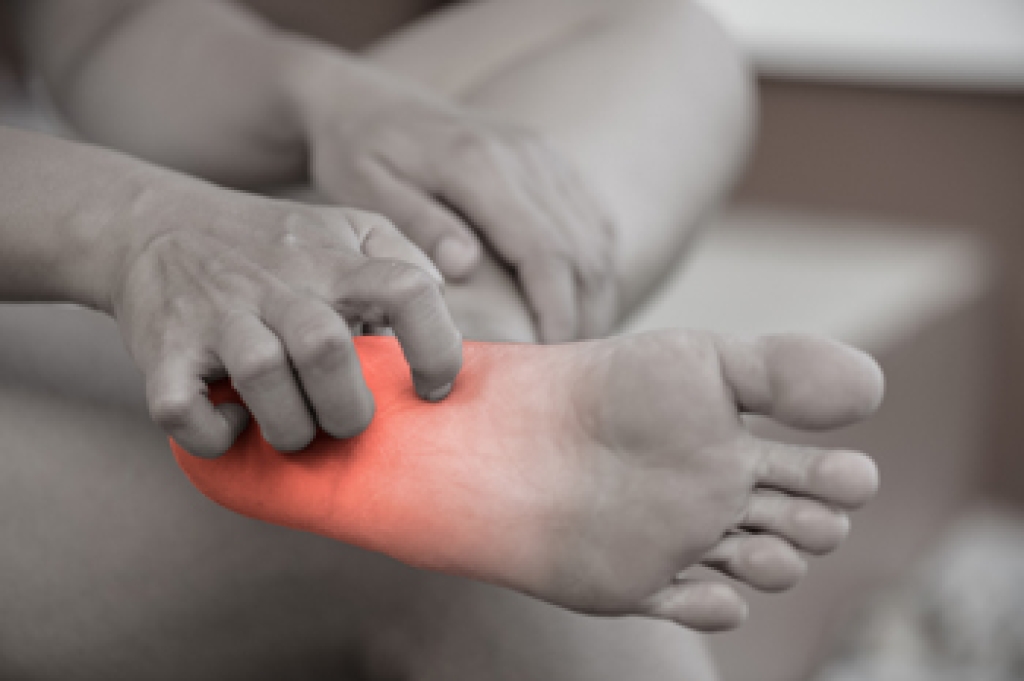
Sometimes, it is possible that parts of the human body can cause us pain. The feet are certainly no exception. This is why you can visit a podiatrist if you are experiencing foot pain. This foot specialist will be able to address the problems that you have been having with your feet and work to find a solution to the problem. Your foot pain can be the result of any number of different foot afflictions. For example, you might be experiencing foot pain from a condition known as plantar fasciitis. This foot condition develops when the plantar fascia, the band of tissue in the arch of the foot, becomes inflamed and irritated. Conversely, you might be experiencing foot pain as a result of a condition known as flat feet. Although many cases of flat feet do not produce pain, it is still possible to feel discomfort from this condition. Flat feet is present in an individual if the entire sole of their foot rests flush against the floor. If you are experiencing foot pain of any kind, err on the side of caution and contact a podiatrist today.

Foot Pain

Foot pain can be extremely painful and debilitating. If you have a foot pain, consult with Kenneth Donovan, DPM from Advanced Care Foot and Ankle. Our doctor will assess your condition and provide you with quality foot and ankle treatment.

Causes

Foot pain is a very broad condition that could be caused by one or more ailments. The most common include:

  • Bunions
  • Hammertoes
  • Plantar Fasciitis
  • Bone Spurs
  • Corns
  • Tarsal Tunnel Syndrome
  • Ingrown Toenails
  • Arthritis (such as Gout, Rheumatoid, and Osteoarthritis)
  • Flat Feet
  • Injury (from stress fractures, broken toe, foot, ankle, Achilles tendon ruptures, and sprains)
  • And more

Diagnosis

To figure out the cause of foot pain, podiatrists utilize several different methods. This can range from simple visual inspections and sensation tests to X-rays and MRI scans. Prior medical history, family medical history, and any recent physical traumatic events will all be taken into consideration for a proper diagnosis.

Treatment

Treatment depends upon the cause of the foot pain. Whether it is resting, staying off the foot, or having surgery; podiatrists have a number of treatment options available for foot pain.

If you have any questions, please feel free to contact our office located in Charleston, SC . We offer the newest diagnostic and treatment technologies for all your foot care needs.
Read more about Foot Pain

Three Groups of Nerves

Damaged nerves in the feet may cause a condition that is called neuropathy. The network of nerves that are found outside the central nervous system are referred to as the peripheral nervous system, and are separated into three categories. Pain and touch are controlled by the sensory nerves, and natural functions consisting of blood pressure and bladder control are grouped into the autonomic nerves. The motor nerves are responsible for controlling muscle movement, and approximately 10 percent of the population in the United Kingdom is affected by neuropathy. Common symptoms that people can experience include a loss of balance, weakened feet, and there may be a numbing, or burning sensation in the hands and feet. People who are diabetic may be susceptible to developing neuropathy, as a result of elevated blood sugar levels. Additionally, a nerve injury may cause this condition, or it may occur from taking specific medications. If you have any of the above symptoms, it is suggested that you seek the counsel of a podiatrist who can guide you toward the right treatment solutions.

Neuropathy

Neuropathy can be a potentially serious condition, especially if it is left undiagnosed. If you have any concerns that you may be experiencing nerve loss in your feet, consult with Kenneth Donovan, DPM from Advanced Care Foot and Ankle. Our doctor will assess your condition and provide you with quality foot and ankle treatment for neuropathy.

What Is Neuropathy?

Neuropathy is a condition that leads to damage to the nerves in the body. Peripheral neuropathy, or neuropathy that affects your peripheral nervous system, usually occurs in the feet. Neuropathy can be triggered by a number of different causes. Such causes include diabetes, infections, cancers, disorders, and toxic substances.

Symptoms of Neuropathy Include:

  • Numbness
  • Sensation loss
  • Prickling and tingling sensations
  • Throbbing, freezing, burning pains
  • Muscle weakness

Those with diabetes are at serious risk due to being unable to feel an ulcer on their feet. Diabetics usually also suffer from poor blood circulation. This can lead to the wound not healing, infections occurring, and the limb may have to be amputated.

Treatment

To treat neuropathy in the foot, podiatrists will first diagnose the cause of the neuropathy. Figuring out the underlying cause of the neuropathy will allow the podiatrist to prescribe the best treatment, whether it be caused by diabetes, toxic substance exposure, infection, etc. If the nerve has not died, then it’s possible that sensation may be able to return to the foot.

Pain medication may be issued for pain. Electrical nerve stimulation can be used to stimulate nerves. If the neuropathy is caused from pressure on the nerves, then surgery may be necessary.

If you have any questions, please feel free to contact our office located in Charleston, SC . We offer the newest diagnostic and treatment technologies for all your foot care needs.

Read more about Neuropathy

Foot Conditions and Obesity

Research has shown that approximately a third of the United States population is considered to be obese. This can have an enormous impact on the feet and may cause many foot problems to develop. Heel pain is a common ailment among people who are overweight, which is a result of the additional weight the heels must endure. Also, the heel may flatten from the same reason, which can change the entire foot structure. Losing weight may help to resolve some of these foot conditions, which may be challenging because of the lack of exercise that can be performed. Patients who are determined to lose weight may find additional ways to become active without exercising. These include taking the stairs instead of the elevator, pacing while on the phone, and walking by starting off with short distances. Many people choose to wear insoles in their shoes, and this may provide additional cushioning while standing. If you have foot conditions that have developed as a result of being overweight, please confer with a podiatrist who can effectively treat foot ailments.

Obesity has become very problematic at this point in time and can have extremely negative effects on the feet. If you’re an obese individual and are concerned about your feet, contact Kenneth Donovan, DPM from Advanced Care Foot and Ankle. Our doctor can provide the care you need to keep you pain-free and on your feet.

Obesity and Your Feet

Since your feet are what support your entire weight when standing, any additional weight can result in pain and swelling. Being overweight is one of the main contributors to foot complications.

Problems & Complications

Extra Weight – Even putting on just a few extra pounds could create serious complications for your feet. As your weight increases, your balance and body will shift, creating new stresses on your feet. This uneven weight distribution can cause pain, even while doing the simplest tasks, such as walking.

Diabetes – People who are overweight are at serious risk of developing type-2 diabetes, which has a drastic impact on the health of your feet. As you get older, your diabetes might worsen, which could lead to loss of feeling in your feet, sores, and bruises. You could also become more prone to various infections.

Plantar fasciitis – Pressure and stress that is placed on muscles, joints, and tendons can trigger plantar fasciitis, which is an inflammation of tissue that forms along the bottom of the foot. 

If you have any questions, please feel free to contact our office located in Charleston, SC . We offer the newest diagnostic and treatment technologies for all your foot care needs.
Read more about How Obesity Affects Your Feet

Painful Plantar Warts

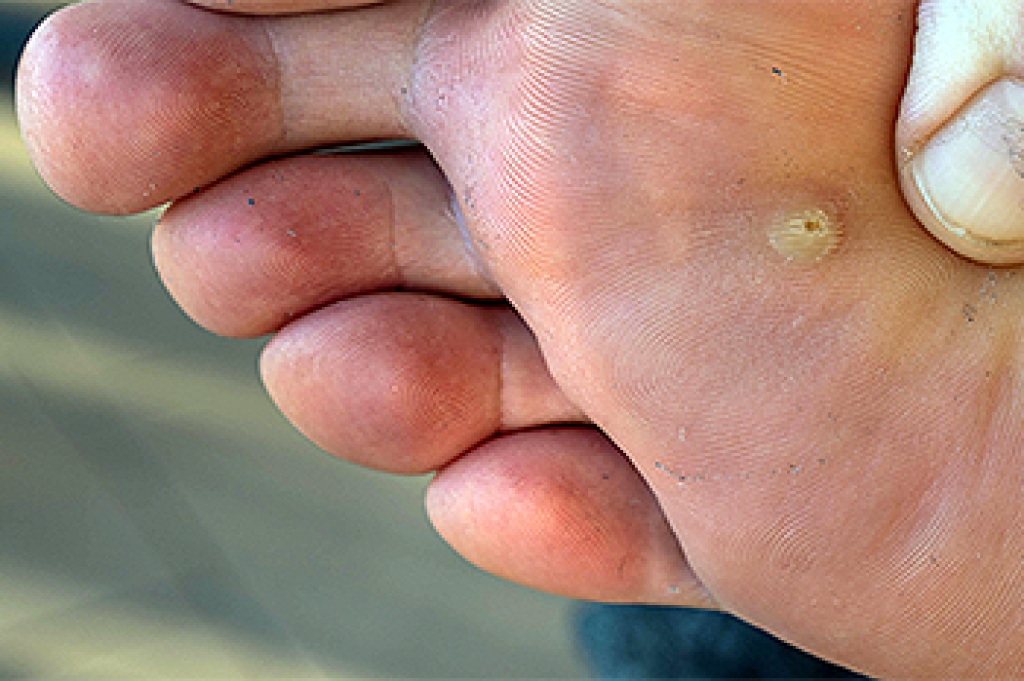
A growth on the heel of the foot is often known as a plantar wart. This type of wart generally causes pain and discomfort. A plantar wart grows inward from the constant pressure the heels endure from walking and standing all day. The walking style, or gait may be affected with an existing plantar wart, as the body tries to compensate for the pain it can cause. It is caused by the human papillomavirus (HPV), which is found in warm and moist environments. These types of places include public swimming pools, locker rooms, and shower room floors. It is advised while in these areas that appropriate shoes are worn, such as flip flops or water shoes. The fungus can enter the body through small cuts in the skin, and these types of shoes may prevent a wart from occurring. Plantar warts can be extremely painful, and if you have developed one or more of these types of growths, please consult with a podiatrist who can properly diagnose it and offer removal options.

Plantar warts can be very uncomfortable. If you need your feet checked, contact Kenneth Donovan, DPM from Advanced Care Foot and Ankle. Our doctor will assist you with all of your foot and ankle needs.

About Plantar Warts

Plantar warts are the result of HPV, or human papillomavirus, getting into open wounds on the feet. They are mostly found on the heels or balls of the feet.

While plantar warts are generally harmless, those experiencing excessive pain or those suffering from diabetes or a compromised immune system require immediate medical care. Plantar warts are easily diagnosed, usually through scraping off a bit of rough skin or by getting a biopsy.

Symptoms

  • Lesions on the bottom of your feet, usually rough and grainy
  • Hard or thick callused spots
  • Wart seeds, which are small clotted blood vessels that look like little black spots
  • Pain, discomfort, or tenderness of your feet when walking or standing

Treatment

  • Freezing
  • Electric tool removal
  • Laser Treatment
  • Topical Creams (prescription only)
  • Over-the-counter medications

To help prevent developing plantar warts, avoid walking barefoot over abrasive surfaces that can cause cuts or wounds for HPV to get into. Avoiding direct contact with other warts, as well as not picking or rubbing existing warts, can help prevent the further spread of plantar warts. However, if you think you have developed plantar warts, speak to your podiatrist. He or she can diagnose the warts on your feet and recommend the appropriate treatment options.

If you have any questions, please feel free to contact our office located in Charleston, SC . We offer the newest diagnostic and treatment technologies for all your foot care needs.
Read more about All About Plantar Warts

Is Wearing Flip-Flops Better Than Walking Barefoot?

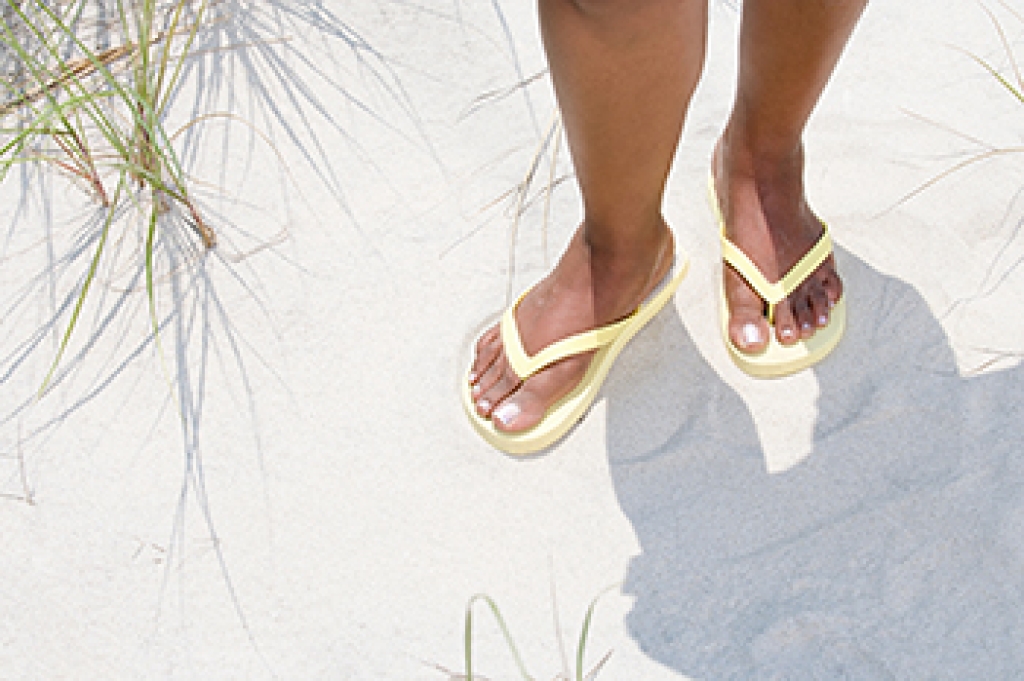
Walking barefoot can be better than walking in ill-fitting shoes, high heels, or flimsy flip-flops but there are a host of dangers that walking barefoot can bring on, from stepping on glass to acquiring an infection. Flip-flops should not replace sturdier casual footwear even if they look fashionable. Wearing flip-flops for a prolonged time can cause pain. Researchers have discovered that wearing flip-flops alters the way one walks, and an altered gait can lead to serious sole, heel, and ankle problems. This footwear also lacks foot support. One scrunches their toes to keep them on their feet while the heel is lifted into the air. This motion stretches the plantar fascia, the band of connective tissue that runs from the heel to the toes on the bottom of the foot, and can cause inflammation to the heel and sole, as well as heel spurs and tired feet. Flip-flop wearers shorten their stride and turn their ankles inward, probably to keep the flip-flops from falling off, which can cause ankle problems. If you have questions about wearing flip-flops, contact a podiatrist, an expert in everything related to the feet and ankles.

Flip-flops are not always the best choice of footwear. If you have any concerns about your feet or ankles, contact Kenneth Donovan, DPM from Advanced Care Foot and Ankle. Our doctor will assist you with all of your foot and ankle needs.

Flip-Flops and Feet

When the weather starts warming up, people enjoy wearing flip-flops.  Flip-flops are comfortable, stylish, and easy to slip on and off; they're perfect for any summer beach goer.  However, these shoes can cause harm to the feet.

How Can Flip-Flops Affect Me Long-Term?

  • Ankle problems
  • Hip problems
  • Lower back problems
  • Pain in the balls of the feet
  • Problems with foot arches
  • Changes in the way you walk

Are There Injuries Associated with Flip-Flops?

Yes.  Since flip-flops are relatively weak and do not provide the same amount of support as sneakers, people who wear flip-flops regularly are more susceptible to injuries. On top of that, the open nature of the shoe makes your feet more prone to other problems, such as cuts and even infections.  Common injuries and ailments include:

  • Sprained ankles
  • Blisters
  • Infections
  • Cuts and Scrapes

I like Wearing Flip-Flops. Are There Safe Alternatives?

When buying flip-flops, try to find ones that have sturdy soles and that are made of high-quality materials that will support for your feet.  These flip-flops will cost more but will also last longer as a result.

If you have any questions, please feel free to contact our office located in Charleston, SC . We offer the newest diagnostic and treatment technologies for all your foot care needs.

Read more about Flip Flops and Feet

Club Foot Is Treatable

Club foot is a condition that begins when the baby is inside the womb. It is considered to be a rare foot condition and is noticeable as the feet turn in and point down. It happens as a result of a short Achilles tendon and can affect one or both feet. Club foot is generally not painful to babies despite the difficulty in walking if it is not treated. An ultrasound can be performed during the pregnancy, and it can give the parents the opportunity to speak with their doctor about specific treatment methods. A common treatment is referred to as the Ponseti method, and this provides gentle manipulation that stretches the feet into a better position. This is followed by having the baby wear a cast, and the method is repeated approximately every eight weeks. Minor surgery may be necessary to perform on the Achilles tendon when the feet have straightened out, and this can be helpful in loosening this tendon. If you have questions about club foot, it is strongly advised that you seek the counsel of a podiatrist who can perform the necessary treatment options that can benefit your child. 

Some foot conditions may require additional professional care. If you have any concerns, contact Kenneth Donovan, DPM of Advanced Care Foot and Ankle. Our doctor can provide the care you need to keep you pain-free and on your feet.

Rare Foot Conditions

The majority of foot conditions are common and can be treated by a podiatrist.  Standard diagnostic procedures are generally used to identify specific conditions and treatment can be rendered. A podiatrist also treats rare foot conditions which can be difficult to diagnose and may need extra attention and care. 

There are many rare foot conditions that can affect children. Some of these can include:

  • Freiberg’s disease
  • Kohler’s disease
  • Maffucci syndrome

Freiberg’s disease - This can be seen as a deterioration and flattening of a metatarsal bone that exists in the ball of the foot. It typically affects pre-teen and teenage girls, but can affect anyone at any age. Symptoms that can accompany this can be swelling, stiffness, and the patient may limp. 

Kohler’s disease - This often targets the bone in the arch of the foot and affects younger boys. It can lead to an interruption of the blood supply which ultimately can lead to bone deterioration. The patient may limp or experience tenderness, swelling, and redness.

Maffucci syndrome - This affects the long bones in a child’s foot leading to the development of abnormal bone lesions. They are benign growths and typically develop in early childhood and the bones may be susceptible to breaking. 

A podiatrist can properly diagnose and treat all types of rare foot conditions. If your child is affected by any of these symptoms or conditions, please don’t hesitate to call our office so the correct treatment method can begin.

If you have any questions, please feel free to contact our office located in Charleston, SC . We offer the newest diagnostic and treatment technologies for all your foot care needs.

Read more about Rare Foot Conditions

What Is Turf Toe?

Turf toe is an injury to the joint at the base of the big toe that often occurs in athletes who play field sports, like football, baseball, and soccer. It happens when an athlete forcefully jams his or her toe into the ground and it bends backward, beyond its normal limit. This can easily happen when a sport is played on grass or artificial turf, hence the name turf toe. Some experts believe this injury can also result from sports shoes that do not have a stiff toe, are not rigid enough in the forefoot, or from not wearing the correct cleats on their shoes for their chosen sport. This type of injury usually results in a bruise at the base of the big toe, where the joint capsules and ligaments have stretched or torn. This affliction causes extreme and immediate pain and over time the joint may become stiff and be more prone to arthritis. The lack of mobility in this joint can increase the chance of injuring the big toe again in the future. It must heal completely or will impede continuation in sports. If you or your child has hurt their big toe in this way, it is suggested that you visit a podiatrist who can make a proper diagnosis and offer treatment.

Sports related foot and ankle injuries require proper treatment before players can go back to their regular routines. For more information, contact Kenneth Donovan, DPM of Advanced Care Foot and Ankle. Our doctor can provide the care you need to keep you pain-free and on your feet.

Sports Related Foot and Ankle Injuries

Foot and ankle injuries are a common occurrence when it comes to athletes of any sport. While many athletes dismiss the initial aches and pains, the truth is that ignoring potential foot and ankle injuries can lead to serious problems. As athletes continue to place pressure and strain the area further, a mild injury can turn into something as serious as a rupture and may lead to a permanent disability. There are many factors that contribute to sports related foot and ankle injuries, which include failure to warm up properly, not providing support or wearing bad footwear. Common injuries and conditions athletes face, including:

  • Plantar Fasciitis
  • Achilles Tendinitis
  • Achilles Tendon Rupture
  • Ankle Sprains

Sports related injuries are commonly treated using the RICE method. This includes rest, applying ice to the injured area, compression and elevating the ankle. More serious sprains and injuries may require surgery, which could include arthroscopic and reconstructive surgery. Rehabilitation and therapy may also be required in order to get any recovering athlete to become fully functional again. Any unusual aches and pains an athlete sustains must be evaluated by a licensed, reputable medical professional.

If you have any questions please contact our office located in Charleston, SC . We offer the newest diagnostic and treatment technologies for all your foot and ankle needs.

Read more about Sports Related Foot And Ankle Injuries

How to Keep Babies Shoes on Their Feet

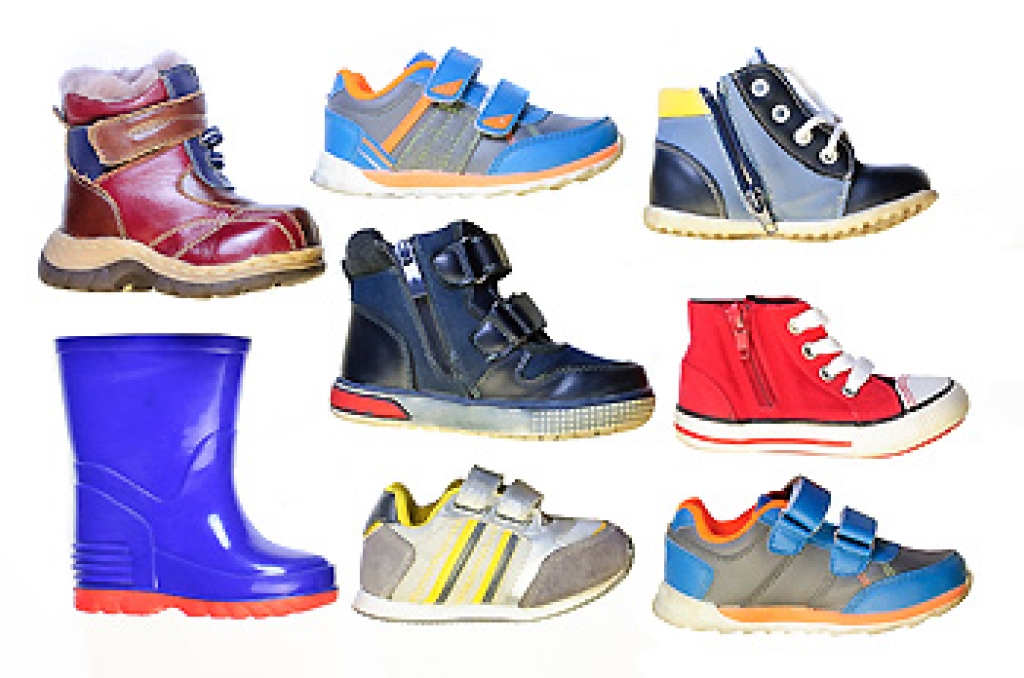
Many parents look forward to purchasing their baby's first pair of shoes. Prior to this enjoyable time, many parents have their babies crawl and walk barefoot, which is helpful in strengthening the entire foot. When it is time for your child to walk outside, they may like the sensation of feeling different surfaces on their feet, such as grass and sand. For rougher surfaces or inclement weather, shoes will need to be worn. Research has shown it is best for the first shoes to have non-slip soles and to be made with flexible materials. The fit should be perfect when the shoes are first tried on, and a break-in period is not needed. Many babies like to pull their shoes off, and there are various ways to avoid that. Firstly, it is important to make sure they fit correctly and are not too tight. Secondly, they may try to pull them off because they don’t like them, and parents need to make sure as best as they can that this is avoided. This may have to be done by testing various styles and colors before purchasing the shoes. If you have questions about what type of shoes to buy for your children, please confer with a podiatrist who can help you with any concerns you may have.

Making sure that your children maintain good foot health is very important as they grow. If you have any questions, contact Kenneth Donovan, DPM of Advanced Care Foot and Ankle. Our doctor can provide the care you need to keep you pain-free and on your feet.

Keeping Children's Feet Healthy

Having healthy feet during childhood can help prevent medical problems later in life, namely in the back and legs. As children grow, their feet require different types of care. Here are some things to consider...

Although babies do not walk yet, it is still very important to take care of their feet.

Avoid putting tight shoes or socks on his or her feet.

Allow the baby to stretch and kick his or her feet to feel comfortable.

As a toddler, kids are now on the move and begin to develop differently. At this age, toddlers are getting a feel for walking, so don’t be alarmed if your toddler is unsteady or ‘walks funny’. 

As your child gets older, it is important to teach them how to take care of their feet.

Show them proper hygiene to prevent infections such as fungus.

Be watchful for any pain or injury.

Have all injuries checked by a doctor as soon as possible.

Comfortable, protective shoes should always be worn, especially at play.

If you have any questions, please feel free to contact our office located in Charleston, SC . We offer the newest diagnostic and treatment technologies for all your foot care needs.
Read more about What to Do to Keep Your Child’s Feet Healthy

Connect With Us