How Peripheral Neuropathy Affects the Feet

Peripheral neuropathy is a condition that causes nerve damage, frequently affecting the feet. It often occurs in people with diabetes due to high blood sugar levels, which can damage both nerves and the small blood vessels that supply them. Symptoms of peripheral neuropathy include burning, tingling, numbness, pain, and weakness in the feet, with these sensations often intensifying at night. Peripheral neuropathy can lead to difficulty walking, loss of balance, and a reduced ability to sense pain or temperature in the feet. As feeling diminishes, there is a higher risk of unnoticed injuries that could develop into foot ulcers or become infected. A podiatrist can help manage these issues by conducting a thorough foot exam, checking sensation, and suggesting treatment options. If you are experiencing symptoms of neuropathy in the feet, it is suggested that you schedule an appointment with a podiatrist for relief and treatment solutions.

Neuropathy

Neuropathy can be a potentially serious condition, especially if it is left undiagnosed. If you have any concerns that you may be experiencing nerve loss in your feet, consult with Kenneth Donovan, DPM from Advanced Care Foot and Ankle. Our doctor will assess your condition and provide you with quality foot and ankle treatment for neuropathy.

What Is Neuropathy?

Neuropathy is a condition that leads to damage to the nerves in the body. Peripheral neuropathy, or neuropathy that affects your peripheral nervous system, usually occurs in the feet. Neuropathy can be triggered by a number of different causes. Such causes include diabetes, infections, cancers, disorders, and toxic substances.

Symptoms of Neuropathy Include:

  • Numbness
  • Sensation loss
  • Prickling and tingling sensations
  • Throbbing, freezing, burning pains
  • Muscle weakness

Those with diabetes are at serious risk due to being unable to feel an ulcer on their feet. Diabetics usually also suffer from poor blood circulation. This can lead to the wound not healing, infections occurring, and the limb may have to be amputated.

Treatment

To treat neuropathy in the foot, podiatrists will first diagnose the cause of the neuropathy. Figuring out the underlying cause of the neuropathy will allow the podiatrist to prescribe the best treatment, whether it be caused by diabetes, toxic substance exposure, infection, etc. If the nerve has not died, then it’s possible that sensation may be able to return to the foot.

Pain medication may be issued for pain. Electrical nerve stimulation can be used to stimulate nerves. If the neuropathy is caused from pressure on the nerves, then surgery may be necessary.

If you have any questions, please feel free to contact our office located in Charleston, SC . We offer the newest diagnostic and treatment technologies for all your foot care needs.

Read more about Neuropathy

Do Your Child's Feet Hurt?

Have your child's feet been examined lately? Healthy feet are happy feet. If your child is complaining of foot pain, it may be a sign of underlying problems.

How Flat Feet Are Diagnosed

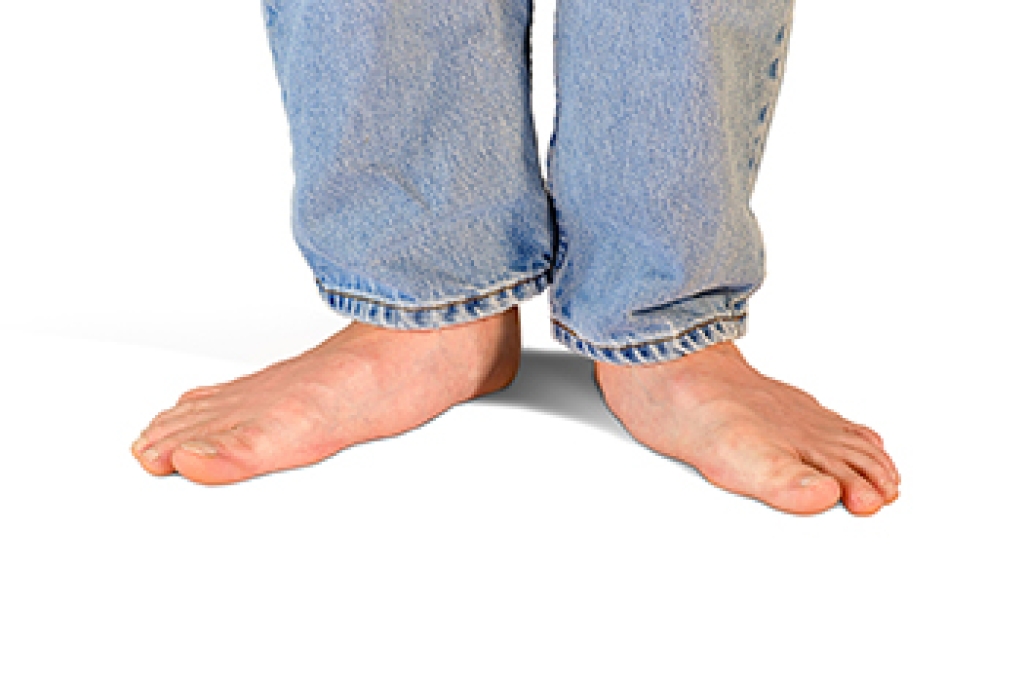
Flat feet occur when the arches of the feet are low or absent, causing the soles to make full contact with the ground. Diagnosis begins with a physical exam. A podiatrist will observe how you stand, walk, and bear weight. They may check the alignment of your ankles and ask you to rise onto your toes. If the arch does not appear when standing on tiptoe, it may suggest a more rigid form of flatfoot. Imaging tests such as X-rays or an MRI scan may be used to assess bone structure, joint alignment, or soft tissue involvement. Some people have flat feet without symptoms, while others may experience pain or fatigue in the feet, ankles, or legs. If you have foot discomfort or are unsure about changes in your foot shape, it is suggested that you visit a podiatrist for an accurate diagnosis and care plan.

Flatfoot is a condition many people suffer from. If you have flat feet, contact Kenneth Donovan, DPM from Advanced Care Foot and Ankle. Our doctor will treat your foot and ankle needs.

What Are Flat Feet?

Flatfoot is a condition in which the arch of the foot is depressed and the sole of the foot is almost completely in contact with the ground. About 20-30% of the population generally has flat feet because their arches never formed during growth.

Conditions & Problems:

Having flat feet makes it difficult to run or walk because of the stress placed on the ankles.

Alignment – The general alignment of your legs can be disrupted, because the ankles move inward which can cause major discomfort.

Knees – If you have complications with your knees, flat feet can be a contributor to arthritis in that area.  

Symptoms

  • Pain around the heel or arch area
  • Trouble standing on the tip toe
  • Swelling around the inside of the ankle
  • Flat look to one or both feet
  • Having your shoes feel uneven when worn

Treatment

If you are experiencing pain and stress on the foot you may weaken the posterior tibial tendon, which runs around the inside of the ankle. 

If you have any questions, please feel free to contact our office located in Charleston, SC . We offer the newest diagnostic and treatment technologies for all your foot care needs.
Read more about Flatfoot

Causes and Finding Relief for Bunions

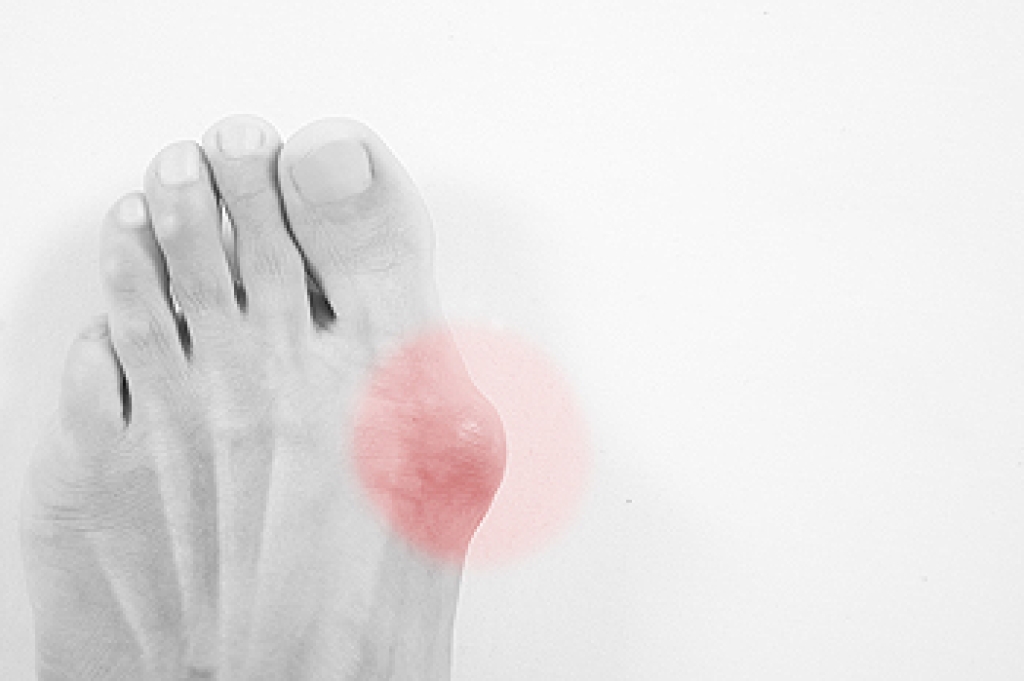
A bunion is a bony bump that forms at the base of the big toe, caused as it angles toward the second toe. This misalignment may result from inherited foot structure, wearing improper footwear, or conditions such as arthritis. Risk factors include wearing tight or narrow shoes, prolonged standing, and family history. Symptoms include pain, swelling, redness, and difficulty finding comfortable shoes. A podiatrist can assess the severity, recommend footwear changes, provide orthotics, and offer treatment options to relieve pain and prevent progression. If you notice a bump forming near your big toe or feel discomfort while walking, it is suggested that you promptly consult a podiatrist who can accurately diagnose the problem, and offer effective relief and treatment solutions.

If you are suffering from bunions, contact Kenneth Donovan, DPM of Advanced Care Foot and Ankle. Our doctor can provide the care you need to keep you pain-free and on your feet.

What Is a Bunion?

A bunion is formed of swollen tissue or an enlargement of boney growth, usually located at the base joint of the toe that connects to the foot. The swelling occurs due to the bones in the big toe shifting inward, which impacts the other toes of the foot. This causes the area around the base of the big toe to become inflamed and painful.

Why Do Bunions Form?

Genetics – Susceptibility to bunions are often hereditary

Stress on the feet – Poorly fitted and uncomfortable footwear that places stress on feet, such as heels, can worsen existing bunions

How Are Bunions Diagnosed?

Doctors often perform two tests – blood tests and x-rays – when trying to diagnose bunions, especially in the early stages of development. Blood tests help determine if the foot pain is being caused by something else, such as arthritis, while x-rays provide a clear picture of your bone structure to your doctor.

How Are Bunions Treated?

  • Refrain from wearing heels or similar shoes that cause discomfort
  • Select wider shoes that can provide more comfort and reduce pain
  • Anti-inflammatory and pain management drugs
  • Orthotics or foot inserts
  • Surgery

If you have any questions, please feel free to contact our office located in Charleston, SC . We offer the newest diagnostic and treatment technologies for all your foot care needs.
Read more about Bunions

Corns on the Feet Are Small Bumps That Can Cause Big Discomfort

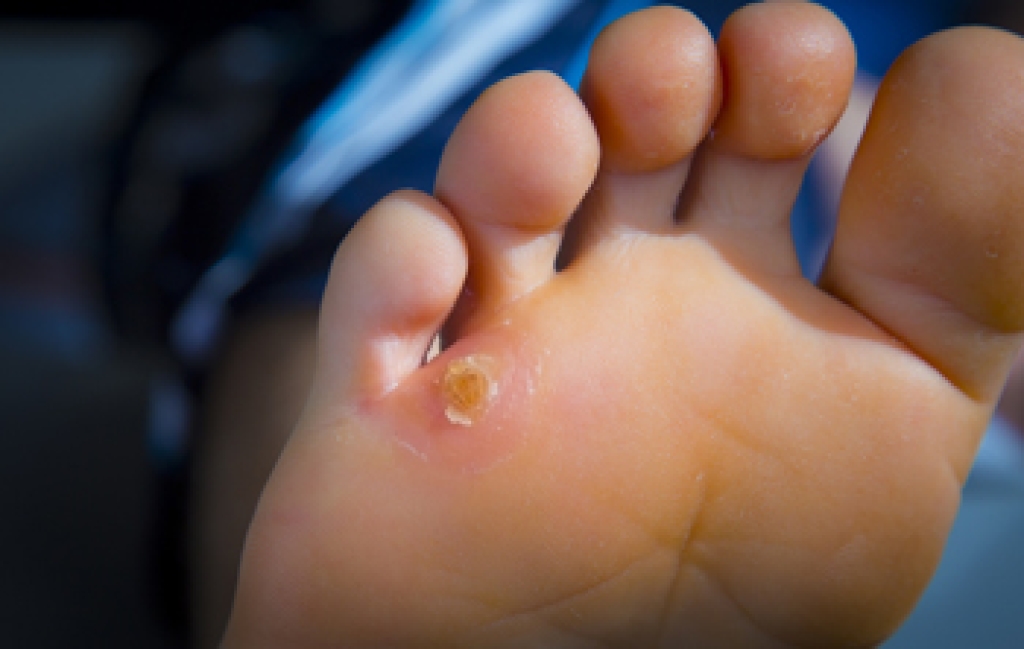
Corns are thickened areas of skin that develop on the feet due to repeated pressure or friction, often from tight shoes, high heels, or abnormal gait. They commonly form on the top and sides of toes or the soles of the feet. Corns may appear as hard, raised bumps surrounded by inflamed skin. They can feel rough to the touch and may cause tenderness or a burning sensation, especially when walking or wearing shoes. While over-the-counter remedies exist, improper removal can lead to infection or worsening symptoms. A podiatrist can safely remove corns, assess for underlying causes like misaligned toes or poor footwear, and recommend treatments such as custom orthotics, padding, or changes in footwear to prevent recurrence. If corns are interfering with your comfort or mobility, it is suggested that you make an appointment with a podiatrist.

If you have any concerns regarding your feet and ankles, contact Kenneth Donovan, DPM of Advanced Care Foot and Ankle. Our doctor will treat your foot and ankle needs.

Corns: What Are They? and How Do You Get Rid of Them?
Corns can be described as areas of the skin that have thickened to the point of becoming painful or irritating. They are often layers and layers of the skin that have become dry and rough, and are normally smaller than calluses.

Ways to Prevent Corns
There are many ways to get rid of painful corns such as wearing:

  • Well-fitting socks
  • Comfortable shoes that are not tight around your foot
  • Shoes that offer support

Treating Corns
Treatment of corns involves removing the dead skin that has built up in the specific area of the foot. Consult with Our doctor to determine the best treatment option for your case of corns.

If you have any questions, please feel free to contact our office located in Charleston, SC . We offer the newest diagnostic and treatment technologies for all your foot care needs.

Read more about Corns: What Are They, and How Do You Get Rid of Them

Connect With Us