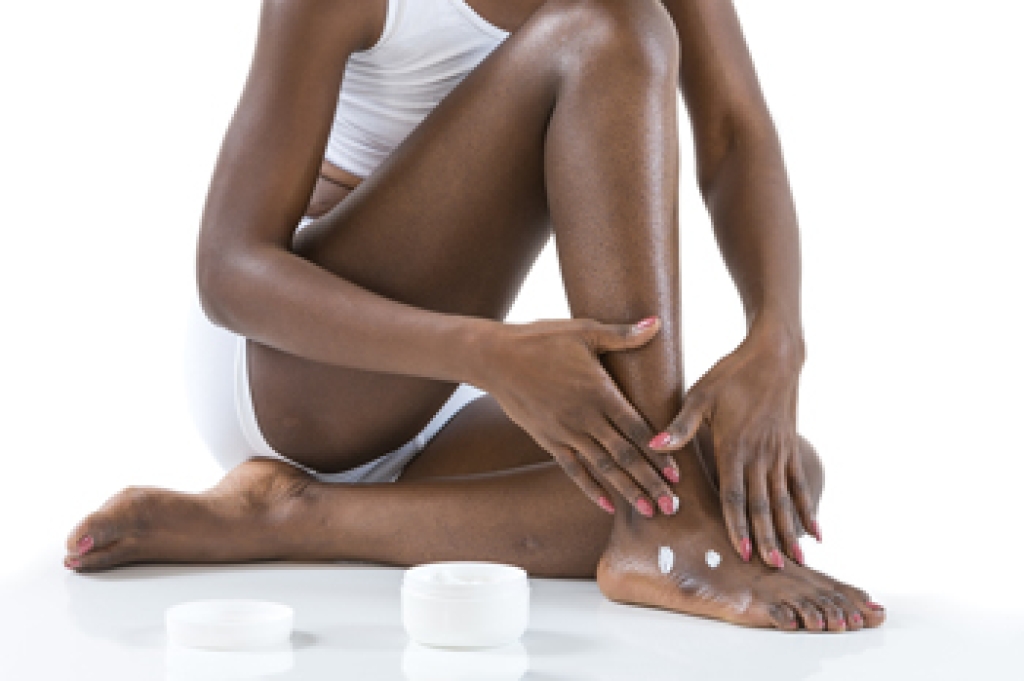
Simple Tips for Happy Feet

Your feet not only leave a lasting impression but also reveal a lot about your hygiene. They can speak volumes about your foot health, including pain and fungal issues. To avoid these problems, prioritize foot care with these simple tips. First and foremost, maintain foot hygiene by thoroughly cleaning your feet, especially the toenails and between the toes, to prevent infections and pain. Incorporate foot soaks into your routine, using Epsom salt in warm water once or twice a week to soothe your feet. After soaking, moisturize to prevent dryness and cracks. Additionally, always wear appropriate and well-fitting footwear with proper soles for adequate arch support. Avoid excessive use of high heels, which can contribute to foot pain. Rotate your shoes regularly to allow them to air out and avoid fungal growth from sweat buildup. By adopting these daily habits, you'll promote foot health and overall well-being. If you find that you are experiencing foot problems that do not respond to rest, it is suggested that you make an appointment with a podiatrist.

Everyday foot care is very important to prevent infection and other foot ailments. If you need your feet checked, contact Kenneth Donovan, DPM from Advanced Care Foot and Ankle. Our doctor can provide the care you need to keep you pain-free and on your feet.

Everyday Foot Care

Often, people take care of their bodies, face and hair more so than they do for their feet. But the feet are a very important aspect of our bodies, and one that we should pay more attention to. Without our feet, we would not be able to perform most daily tasks.

It is best to check your feet regularly to make sure there are no new bruises or cuts that you may not have noticed before. For dry feet, moisturizer can easily be a remedy and can be applied as often as necessary to the affected areas. Wearing shoes that fit well can also help you maintain good foot health, as well as making it easier to walk and do daily activities without the stress or pain of ill-fitting shoes, high heels, or even flip flops. Wearing clean socks with closed shoes is important to ensure that sweat and bacteria do not accumulate within the shoe. Clean socks help to prevent Athlete’s foot, fungi problems, bad odors, and can absorb sweat.

If you have any questions, please feel free to contact our office located in Charleston, SC . We offer the newest diagnostic and treatment technologies for all your foot care needs.

Read more about Every Day Foot Care

The Key to Proper Shoe Fitting

The importance of a proper shoe fitting can make a world of difference in foot comfort and health. Getting the right shoe size is like finding the perfect fit for a puzzle piece. Shoes that are too tight can cramp the toes and cause pain, while loose shoes can lead to blisters and discomfort. To find the ideal fit, measure the feet regularly as they can change as the body grows. It is beneficial to try on new shoes with the socks that will be worn to get an accurate feel. It is important to check that the heels do not slip and the arch of your foot aligns with the shoe's arch support. The feet are comfortable in shoes that fit properly right away. If you would like more information about how to measure for shoes that fit correcty, it is suggested that you speak with a podiatrist who can provide you with the knowledge you are seeking. 

It is important to find shoes that fit you properly in order to avoid a variety of different foot problems. For more information about treatment, contact Kenneth Donovan, DPM from Advanced Care Foot and Ankle. Our doctor will treat your foot and ankle needs.

Proper Shoe Fitting

Shoes have many different functions. They cushion our body weight, protect our feet, and allow us to safely play sports. You should always make sure that the shoes you wear fit you properly in order to avoid injuries and deformities such as: bunions, corns, calluses, hammertoes, plantar fasciitis, stress fractures, and more. It is important to note that although a certain pair of shoes might be a great fit for someone else, that doesn’t mean they will be a great fit for you. This is why you should always try on shoes before buying them to make sure they are worth the investment. Typically, shoes need to be replaced ever six months to one year of regular use.

Tips for Proper Shoe Fitting

  • Select a shoe that is shaped like your foot
  • Don’t buy shoes that fit too tight, expecting them to stretch to fit
  • Make sure there is enough space (3/8” to ½”) for your longest toe at the end of each shoe when you are standing up
  • Walk in the shoes to make sure they fit and feel right
  • Don’t select shoes by the size marked inside the shoe, but by how the shoe fits your foot

The shoes you buy should always feel as good as they look. Shoes that fit properly will last longer, feel better, and improve your way of life each day.

If you have any questions please contact our office located in Charleston, SC . We offer the newest diagnostic and treatment technologies for all your foot and ankle needs.

Read more about How to Get a Proper Shoe Fit

Possible Causes of Hammertoe

Hammertoe is easy to notice. It is a foot condition that causes the second or third toe to bend up at the middle joint and may be caused by shoes that are the incorrect size. This is a common condition among people who wear high heels or tight shoes, and in severe cases, it may be difficult to walk. Many people develop corns on top of the hammertoes, caused by the toes constantly rubbing against the top of the shoe. In mild cases, some stretches can gradually straighten the toes. This can be coupled with wearing protective pads on top of the toes, which may help reduce friction. Some people choose to wear orthotics, which may help realign the foot. If you have developed hammertoe, it is strongly suggested that you consult with a podiatrist who can effectively diagnose and treat this condition.

Hammertoes can be a painful condition to live with. For more information, contact Kenneth Donovan, DPM of Advanced Care Foot and Ankle. Our doctor will answer any of your foot- and ankle-related questions.

Hammertoe

Hammertoe is a foot deformity that occurs due to an imbalance in the muscles, tendons, or ligaments that normally hold the toe straight. It can be caused by the type of shoes you wear, your foot structure, trauma, and certain disease processes.

Symptoms

  • Painful and/or difficult toe movement
  • Swelling
  • Joint stiffness
  • Calluses/Corns
  • Physical deformity

Risk Factors

  • Age – The risk of hammertoe increases with age
  • Sex – Women are more likely to have hammertoe compared to men
  • Toe Length – You are more likely to develop hammertoe if your second toe is longer than your big toe
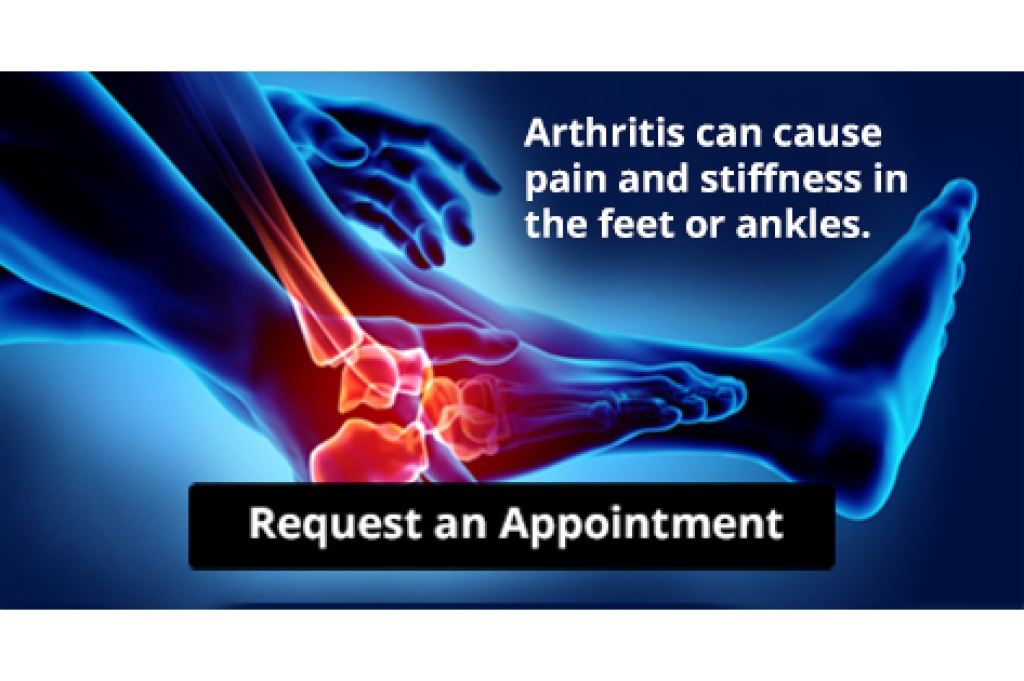
  • Certain Diseases – Arthritis and diabetes may make you more likely to develop hammertoe

Treatment

If you have hammertoe, you should change into a more comfortable shoe that provides enough room for your toes. Exercises such as picking up marbles may strengthen and stretch your toe muscles. Nevertheless, it is important to seek assistance from a podiatrist in order to determine the severity of your hammertoe and see which treatment option will work best for you.

If you have any questions, please feel free to contact our office located in Charleston, SC . We offer the newest diagnostic and treatment technologies for all your foot care needs.
Read more about Hammertoe

Runners and Big Toe Pain

People who participate in running or jogging may experience pain in their big toe. The main joint in the big toe can be prone to undergoing substantial forces while running. It is known as the MTP, or metatarsophalangeal, joint. As the body shifts between the heel and toes while running, the weight can shift to the big toe, which is used as a lever for pushing off. The sesamoid bones are located under the MTP joints, and are as small as sesame seeds. They are prone to injury when they are overworked, and the pain can radiate to the big toe. Additionally, having arthritis in the MTP joint may lead to toe pain, and the affected area may feel stiff. This is known to become worse with age, and mild relief may be felt when the correct shoes are worn. If you have pain in your big toe, it is suggested that you confer with a podiatrist who can offer you additional relief options.

Toe pain can disrupt your daily activities. If you have any concerns, contact Kenneth Donovan, DPM of Advanced Care Foot and Ankle. Our doctor can provide the care you need to keep you pain-free and on your feet.

What Causes Toe Pain?

Most severe toe pain is caused due to a sports injury, trauma from dropping something heavy on the toe, or bumping into something rigid. Other problems can develop over time for various reasons.

Toe pain can be caused by one or more ailments. The most common include:

  • Trauma
  • Sports injury
  • Wearing shoes that are too tight
  • Arthritis
  • Gout
  • Corns and calluses
  • Hammertoe
  • Bunions
  • Blisters
  • Ingrown toenails
  • Sprains
  • Fractures (broken bones)
  • Dislocations

When to See a Podiatrist

  • Severe pain
  • Persistent pain that lasts more than a week
  • Signs of infection
  • Continued swelling
  • Pain that prevents walking

Diagnosis

In many cases the cause of toe pain is obvious, but in others, a podiatrist may want to use more advanced methods to determine the problem. These can range from simple visual inspections and sensation tests to X-rays and MRI scans. Prior medical history, family medical history, and any recent physical traumatic events will all be taken into consideration for a proper diagnosis.

Treatment

Treatments for toe pain and injuries vary and may include shoe inserts, padding, taping, medicines, injections, and in some cases, surgery. If you believe that you have broken a toe, please see a podiatrist as soon as possible.

If you have any questions please contact our office located in Charleston, SC . We offer the newest diagnostic and treatment technologies for all your foot and ankle needs.

Read more about Toe Pain

Connect With Us