
Have your child's feet been examined lately? Healthy feet are happy feet. If your child is complaining of foot pain, it may be a sign of underlying problems.
Have your child's feet been examined lately? Healthy feet are happy feet. If your child is complaining of foot pain, it may be a sign of underlying problems.
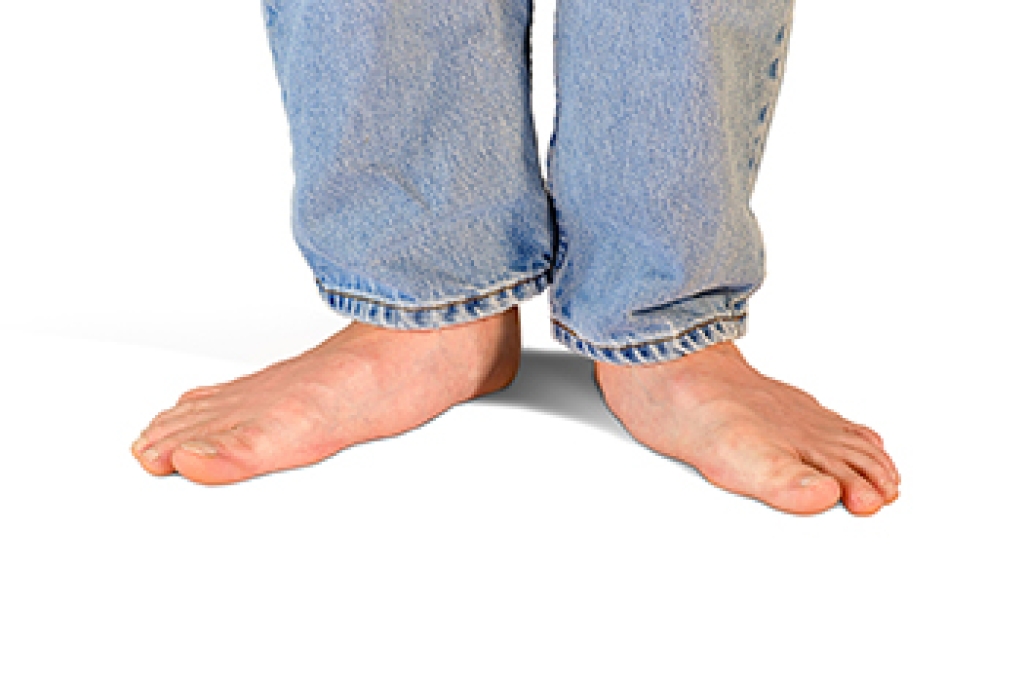
Flat feet occur when the arches of the feet are low or absent, causing the soles to make full contact with the ground. Diagnosis begins with a physical exam. A podiatrist will observe how you stand, walk, and bear weight. They may check the alignment of your ankles and ask you to rise onto your toes. If the arch does not appear when standing on tiptoe, it may suggest a more rigid form of flatfoot. Imaging tests such as X-rays or an MRI scan may be used to assess bone structure, joint alignment, or soft tissue involvement. Some people have flat feet without symptoms, while others may experience pain or fatigue in the feet, ankles, or legs. If you have foot discomfort or are unsure about changes in your foot shape, it is suggested that you visit a podiatrist for an accurate diagnosis and care plan.
Flatfoot is a condition many people suffer from. If you have flat feet, contact Kenneth Donovan, DPM from Advanced Care Foot and Ankle. Our doctor will treat your foot and ankle needs.
What Are Flat Feet?
Flatfoot is a condition in which the arch of the foot is depressed and the sole of the foot is almost completely in contact with the ground. About 20-30% of the population generally has flat feet because their arches never formed during growth.
Conditions & Problems:
Having flat feet makes it difficult to run or walk because of the stress placed on the ankles.
Alignment – The general alignment of your legs can be disrupted, because the ankles move inward which can cause major discomfort.
Knees – If you have complications with your knees, flat feet can be a contributor to arthritis in that area.
Symptoms
Treatment
If you are experiencing pain and stress on the foot you may weaken the posterior tibial tendon, which runs around the inside of the ankle.
If you have any questions, please feel free to contact our office located in Charleston, SC . We offer the newest diagnostic and treatment technologies for all your foot care needs.
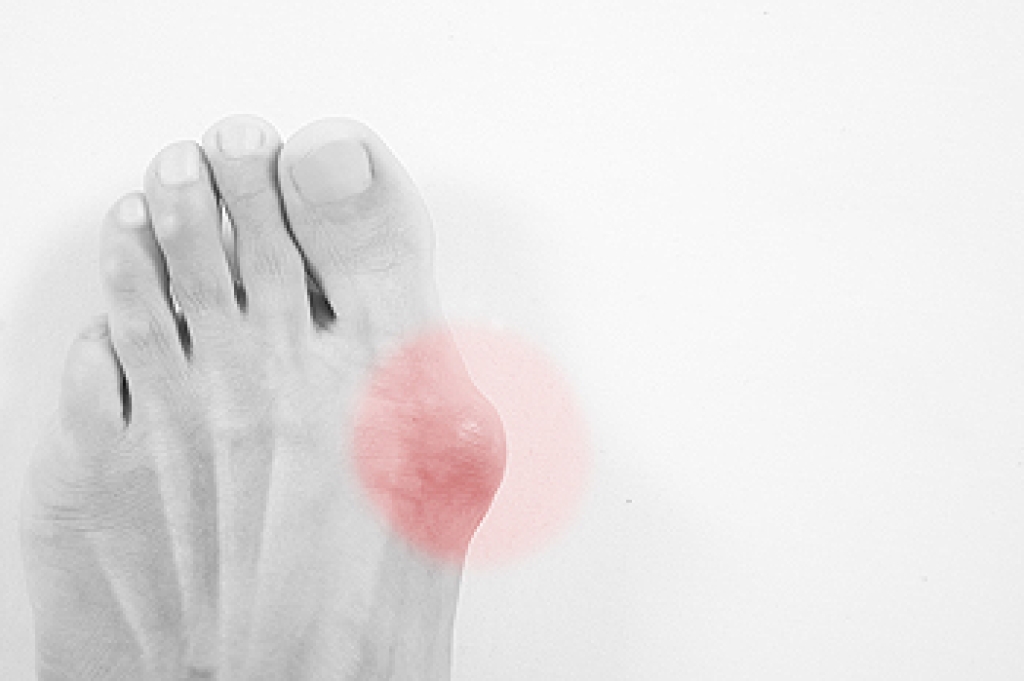
A bunion is a bony bump that forms at the base of the big toe, caused as it angles toward the second toe. This misalignment may result from inherited foot structure, wearing improper footwear, or conditions such as arthritis. Risk factors include wearing tight or narrow shoes, prolonged standing, and family history. Symptoms include pain, swelling, redness, and difficulty finding comfortable shoes. A podiatrist can assess the severity, recommend footwear changes, provide orthotics, and offer treatment options to relieve pain and prevent progression. If you notice a bump forming near your big toe or feel discomfort while walking, it is suggested that you promptly consult a podiatrist who can accurately diagnose the problem, and offer effective relief and treatment solutions.
If you are suffering from bunions, contact Kenneth Donovan, DPM of Advanced Care Foot and Ankle. Our doctor can provide the care you need to keep you pain-free and on your feet.
What Is a Bunion?
A bunion is formed of swollen tissue or an enlargement of boney growth, usually located at the base joint of the toe that connects to the foot. The swelling occurs due to the bones in the big toe shifting inward, which impacts the other toes of the foot. This causes the area around the base of the big toe to become inflamed and painful.
Why Do Bunions Form?
Genetics – Susceptibility to bunions are often hereditary
Stress on the feet – Poorly fitted and uncomfortable footwear that places stress on feet, such as heels, can worsen existing bunions
How Are Bunions Diagnosed?
Doctors often perform two tests – blood tests and x-rays – when trying to diagnose bunions, especially in the early stages of development. Blood tests help determine if the foot pain is being caused by something else, such as arthritis, while x-rays provide a clear picture of your bone structure to your doctor.
How Are Bunions Treated?
If you have any questions, please feel free to contact our office located in Charleston, SC . We offer the newest diagnostic and treatment technologies for all your foot care needs.
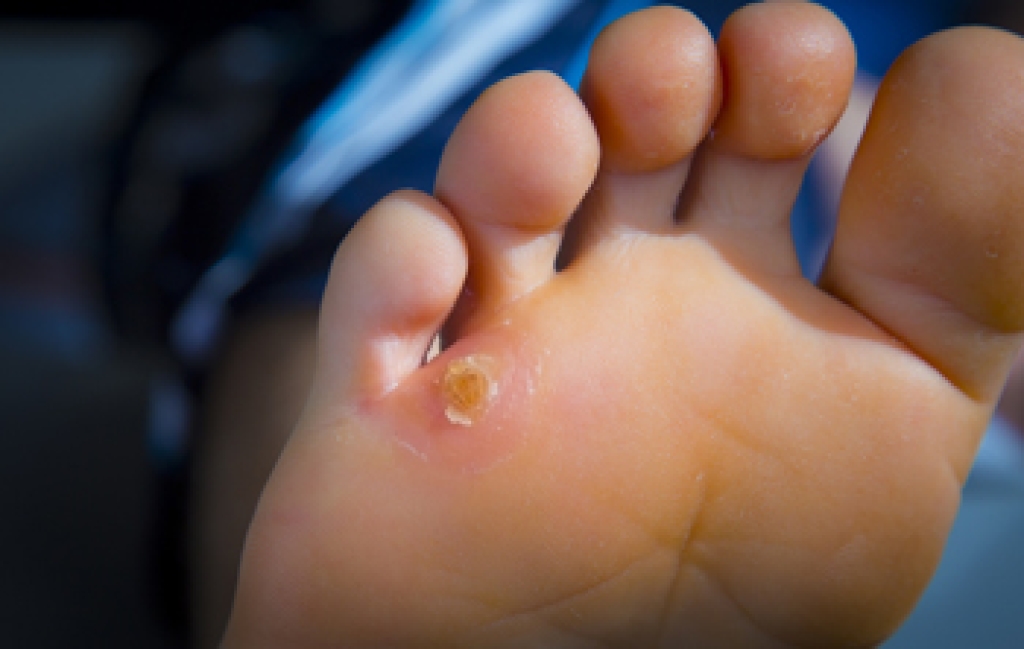
Corns are thickened areas of skin that develop on the feet due to repeated pressure or friction, often from tight shoes, high heels, or abnormal gait. They commonly form on the top and sides of toes or the soles of the feet. Corns may appear as hard, raised bumps surrounded by inflamed skin. They can feel rough to the touch and may cause tenderness or a burning sensation, especially when walking or wearing shoes. While over-the-counter remedies exist, improper removal can lead to infection or worsening symptoms. A podiatrist can safely remove corns, assess for underlying causes like misaligned toes or poor footwear, and recommend treatments such as custom orthotics, padding, or changes in footwear to prevent recurrence. If corns are interfering with your comfort or mobility, it is suggested that you make an appointment with a podiatrist.
If you have any concerns regarding your feet and ankles, contact Kenneth Donovan, DPM of Advanced Care Foot and Ankle. Our doctor will treat your foot and ankle needs.
Corns: What Are They? and How Do You Get Rid of Them?
Corns can be described as areas of the skin that have thickened to the point of becoming painful or irritating. They are often layers and layers of the skin that have become dry and rough, and are normally smaller than calluses.
Ways to Prevent Corns
There are many ways to get rid of painful corns such as wearing:
Treating Corns
Treatment of corns involves removing the dead skin that has built up in the specific area of the foot. Consult with Our doctor to determine the best treatment option for your case of corns.
If you have any questions, please feel free to contact our office located in Charleston, SC . We offer the newest diagnostic and treatment technologies for all your foot care needs.
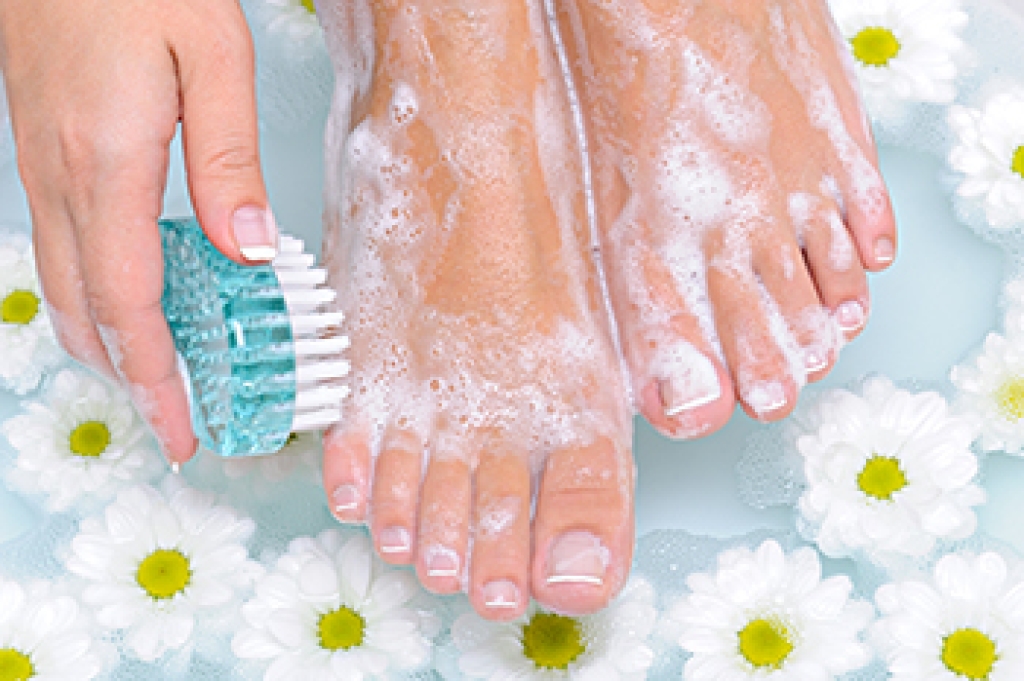
Everyday foot care involves regular attention to hygiene, moisture control, nail trimming, and inspecting the feet for changes. The feet carry the body through daily routines, and neglecting them can lead to discomfort, infections, or long-term complications. Proper foot care helps prevent common issues such as calluses, fungal infections, ingrown nails, and supports overall mobility and well-being. A podiatrist can provide expert guidance on maintaining healthy feet, identify early signs of potential problems, and offer personalized treatments. From routine care to addressing specific concerns, professional foot care makes a difference. If you want to keep your feet in top shape and prevent future issues, it is suggested that you schedule a visit with a podiatrist who can treat various foot conditions, and guide you on effective everyday foot care practices.
Everyday foot care is very important to prevent infection and other foot ailments. If you need your feet checked, contact Kenneth Donovan, DPM from Advanced Care Foot and Ankle. Our doctor can provide the care you need to keep you pain-free and on your feet.
Everyday Foot Care
Often, people take care of their bodies, face and hair more so than they do for their feet. But the feet are a very important aspect of our bodies, and one that we should pay more attention to. Without our feet, we would not be able to perform most daily tasks.
It is best to check your feet regularly to make sure there are no new bruises or cuts that you may not have noticed before. For dry feet, moisturizer can easily be a remedy and can be applied as often as necessary to the affected areas. Wearing shoes that fit well can also help you maintain good foot health, as well as making it easier to walk and do daily activities without the stress or pain of ill-fitting shoes, high heels, or even flip flops. Wearing clean socks with closed shoes is important to ensure that sweat and bacteria do not accumulate within the shoe. Clean socks help to prevent Athlete’s foot, fungi problems, bad odors, and can absorb sweat.
If you have any questions, please feel free to contact our office located in Charleston, SC . We offer the newest diagnostic and treatment technologies for all your foot care needs.
Connect With Us
