Foot or ankle pain can negatively affect your day-to-day life and can occur due to several different conditions. Pain can also be an indicator of a more serious underlying condition, which is why you should seek professional help as soon as you notice any abnormalities in your feet.
Elderly foot care is essential for maintaining mobility and preventing complications as people age. Older adults often face issues, such as reduced circulation, weakened muscles, and diminished sensation. These can lead to problems like bunions, hammertoes, and painful calluses. Additionally, diabetes can worsen foot issues, increasing the risk of ulcers, infections, and falls. Proper foot care includes regular inspection for cuts, sores, or changes in skin color, as well as maintaining good hygiene and nail care. Wearing supportive, well-fitting shoes can help prevent pressure sores and provide stability. Regular foot exercises and maintaining a healthy weight can also alleviate discomfort and enhance mobility. To address foot problems effectively and prevent serious complications, it’s suggested you make an appointment with a podiatrist. Their expertise in elderly foot care ensures a comprehensive approach to keeping your feet healthy and functional.
Proper foot care is something many older adults forget to consider. If you have any concerns about your feet and ankles, contact Kenneth Donovan, DPM from Advanced Care Foot and Ankle. Our doctor can provide the care you need to keep you pain-free and on your feet.
The Elderly and Their Feet
As we age we start to notice many changes in our body, but the elder population may not notice them right away. Medical conditions may prevent the elderly to take notice of their foot health right away. Poor vision is a lead contributor to not taking action for the elderly.
Common Conditions
Neuropathy – can reduce feeling in the feet and can hide many life-threatening medical conditions.
Reduced flexibility – prevents the ability of proper toenail trimming, and foot cleaning. If left untreated, it may lead to further medical issues.
Foot sores – amongst the older population can be serious before they are discovered. Some of the problematic conditions they may face are:
Gouging toenails affecting nearby toe
Shoes that don’t fit properly
Pressure sores
Loss of circulation in legs & feet
Edema & swelling of feet and ankles
Susceptible Infections
Diabetes and poor circulation can cause general loss of sensitivity over the years, turning a simple cut into a serious issue.
If you have any questions, please feel free to contact our office located in Charleston, SC. We offer the newest diagnostic and treatment technologies for all your foot care needs.
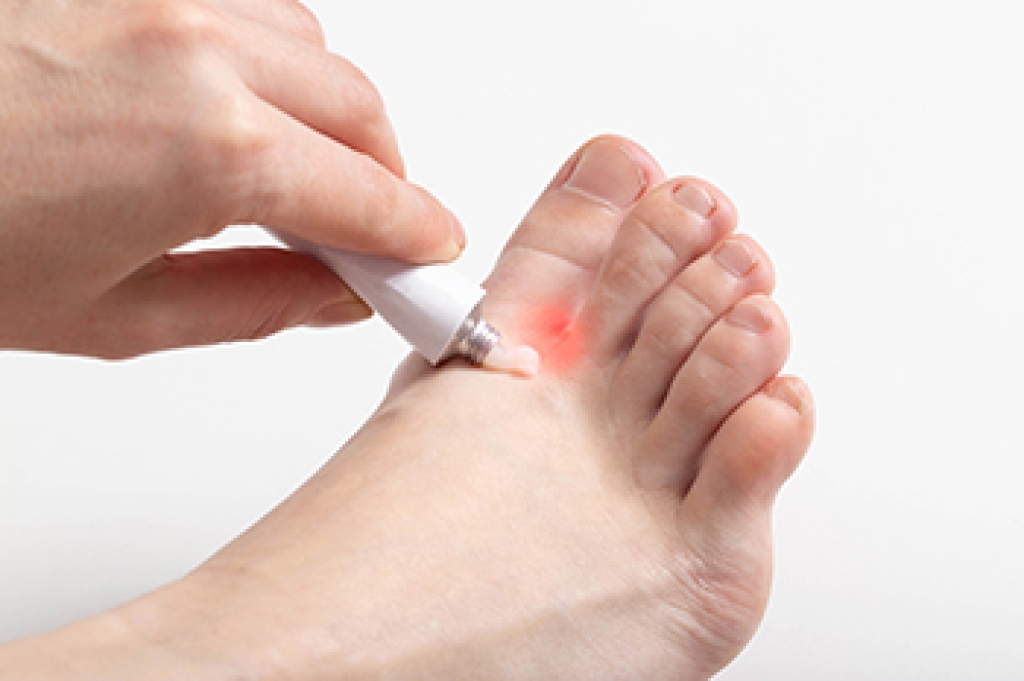
Athlete's foot, medically known as tinea pedis, is a fungal infection that affects the skin on the feet. It commonly manifests in three types, interdigital, moccasin, and vesicular. Interdigital occurs between the toes, moccasin causes scaling on the soles, and vesicular causes fluid-filled blisters. Athlete's foot is caused by fungi that thrive in warm, moist environments, like locker rooms or damp shoes. Symptoms typically include itching, redness, and peeling of the skin, often accompanied by a burning sensation. The infection can spread to other areas of the body if not treated promptly. Maintaining good foot hygiene, keeping feet dry, and wearing breathable footwear can help prevent athlete's foot. If you have an athlete’s foot infection, it is suggested that you promptly visit a podiatrist who can effectively treat this highly contagious condition.
Athlete’s foot is an inconvenient condition that can be easily reduced with the proper treatment. If you have any concerns about your feet and ankles, contact Kenneth Donovan, DPM from Advanced Care Foot and Ankle. Our doctor will treat your foot and ankle needs.
Athlete’s Foot: The Sole Story
Athlete's foot, also known as tinea pedis, can be an extremely contagious foot infection. It is commonly contracted in public changing areas and bathrooms, dormitory style living quarters, around locker rooms and public swimming pools, or anywhere your feet often come into contact with other people.
Solutions to Combat Athlete’s Foot
Hydrate your feet by using lotion
Exfoliate
Buff off nails
Use of anti-fungal products
Examine your feet and visit your doctor if any suspicious blisters or cuts develop
Athlete’s foot can cause many irritating symptoms such as dry and flaking skin, itching, and redness. Some more severe symptoms can include bleeding and cracked skin, intense itching and burning, and even pain when walking. In the worst cases, Athlete’s foot can cause blistering as well. Speak to your podiatrist for a better understanding of the different causes of Athlete’s foot, as well as help in determining which treatment options are best for you.
If you have any questions please feel free to contact our office located in Charleston, SC. We offer the newest diagnostic and treatment technologies for all your foot and ankle needs.
Ankle fractures occur when one or more of the bones in the ankle, typically the tibia, fibula, or talus, break due to trauma or excessive stress. Common causes ican nclude sports injuries, falls, or accidents, where a sudden impact or twisting motion can lead to a fracture. Ankle fractures can range from minor hairline cracks to severe breaks that disrupt joint alignment. Symptoms of an ankle can fracture include severe pain, swelling, and difficulty in bearing weight. Immediate treatment involves immobilizing the ankle and seeking medical attention for a proper diagnosis through X-rays. Initial remedies for an ankle fracture include rest and elevation to manage swelling and pain. If you suspect an ankle fracture, it is strongly suggested that you contact a podiatrist for an appointment. They may recommend a cast or splint to immobilize the ankle, and in some cases, surgery may be required to realign the bones.
Broken ankles need immediate treatment. If you are seeking treatment, contact Kenneth Donovan, DPM from Advanced Care Foot and Ankle. Our doctor can provide the care you need to keep you pain-free and on your feet.
Broken Ankles A broken ankle is experienced when a person fractures their tibia or fibula in the lower leg and ankle area. Both of these bones are attached at the bottom of the leg and combine to form what we know to be our ankle.
When a physician is referring to a break of the ankle, he or she is usually referring to a break in the area where the tibia and fibula are joined to create our ankle joint. Ankles are more prone to fractures because the ankle is an area that suffers a lot of pressure and stress. There are some obvious signs when a person experiences a fractured ankle, and the following symptoms may be present.
Symptoms of a Fractured Ankle
Excessive pain when the area is touched or when any pressure is placed on the ankle
Swelling around the area
Bruising of the area
Area appears to be deformed
If you suspect an ankle fracture, it is recommended to seek treatment as soon as possible. The sooner you have your podiatrist diagnose the fracture, the quicker you’ll be on the way towards recovery.
If you have any questions, please feel free to contact our office located in Charleston, SC. We offer the newest diagnostic and treatment technologies for all your foot care needs.
Raynaud's phenomenon is a condition characterized by episodic constriction of blood vessels, typically in response to cold or stress, leading to reduced blood flow. This condition affects the extremities, including the feet, causing them to turn white or blue, and feel cold and numb. As blood flow returns, they can throb, tingle, or turn red. To manage Raynaud's phenomenon in the feet, it is important to keep them warm and dry by wearing insulated, moisture-wicking socks and appropriate footwear. Stress reduction techniques and avoiding cold exposure can also help prevent episodes. If you experience pain from cold and numb feet, it is suggested that you schedule an appointment with a podiatrist to see if medications are needed.
Some foot conditions may require additional professional care. If you have any concerns, contact Kenneth Donovan, DPM of Advanced Care Foot and Ankle. Our doctor can provide the care you need to keep you pain-free and on your feet.
Rare Foot Conditions
The majority of foot conditions are common and can be treated by a podiatrist. Standard diagnostic procedures are generally used to identify specific conditions and treatment can be rendered. A podiatrist also treats rare foot conditions which can be difficult to diagnose and may need extra attention and care.
There are many rare foot conditions that can affect children. Some of these can include:
Freiberg’s disease
Kohler’s disease
Maffucci syndrome
Freiberg’s disease - This can be seen as a deterioration and flattening of a metatarsal bone that exists in the ball of the foot. It typically affects pre-teen and teenage girls, but can affect anyone at any age. Symptoms that can accompany this can be swelling, stiffness, and the patient may limp.
Kohler’s disease - This often targets the bone in the arch of the foot and affects younger boys. It can lead to an interruption of the blood supply which ultimately can lead to bone deterioration. The patient may limp or experience tenderness, swelling, and redness.
Maffucci syndrome - This affects the long bones in a child’s foot leading to the development of abnormal bone lesions. They are benign growths and typically develop in early childhood and the bones may be susceptible to breaking.
A podiatrist can properly diagnose and treat all types of rare foot conditions. If your child is affected by any of these symptoms or conditions, please don’t hesitate to call our office so the correct treatment method can begin.
If you have any questions, please feel free to contact our office located in Charleston, SC. We offer the newest diagnostic and treatment technologies for all your foot care needs.