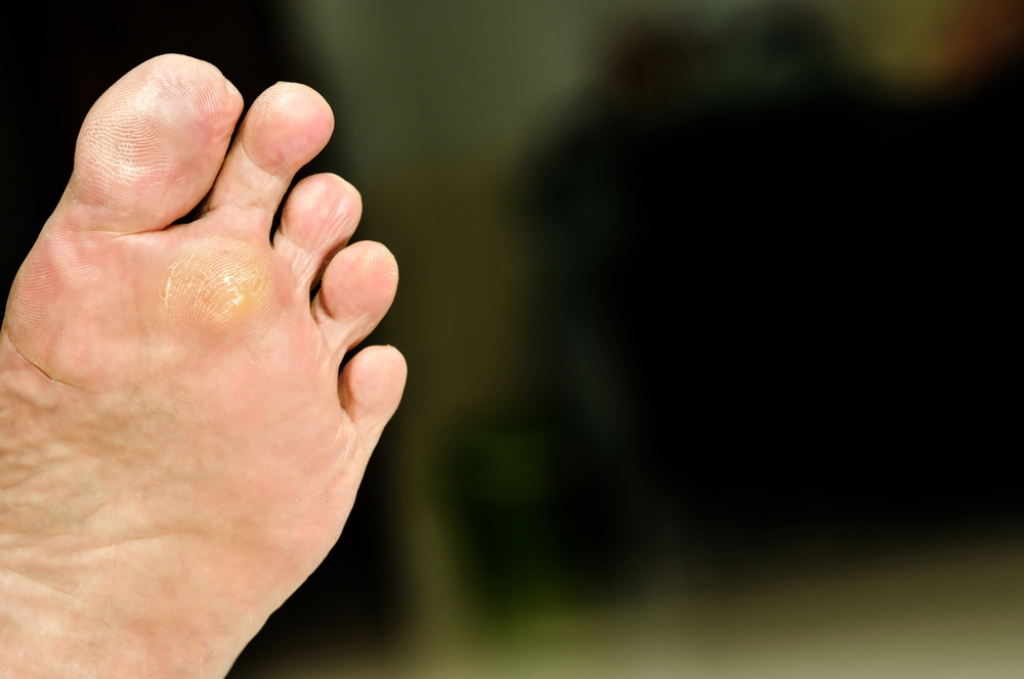
Who Can Get Plantar Warts?

Plantar warts are essentially growths that can form on the soles of the feet due to contracting the human papillomavirus. Many patients who are trying to prevent the onset of plantar warts will ask podiatrists who can get plantar warts. The answer is that ultimately anyone can develop a plantar wart. However, certain types of people are more susceptible than others. For example, children attending school may be more susceptible than adults to developing plantar warts. Additionally, individuals living with weakened immune systems could be especially prone to developing plantar warts. This might include people with HIV and those on chemotherapy. If you are living with plantar warts, it is suggested that you schedule an appointment with a podiatrist today for treatment options.

Plantar warts can be very uncomfortable. If you need your feet checked, contact Kenneth Donovan, DPM from Advanced Care Foot and Ankle. Our doctor will assist you with all of your foot and ankle needs.

About Plantar Warts

Plantar warts are the result of HPV, or human papillomavirus, getting into open wounds on the feet. They are mostly found on the heels or balls of the feet.

While plantar warts are generally harmless, those experiencing excessive pain or those suffering from diabetes or a compromised immune system require immediate medical care. Plantar warts are easily diagnosed, usually through scraping off a bit of rough skin or by getting a biopsy.

Symptoms

  • Lesions on the bottom of your feet, usually rough and grainy
  • Hard or thick callused spots
  • Wart seeds, which are small clotted blood vessels that look like little black spots
  • Pain, discomfort, or tenderness of your feet when walking or standing

Treatment

  • Freezing
  • Electric tool removal
  • Laser Treatment
  • Topical Creams (prescription only)
  • Over-the-counter medications

To help prevent developing plantar warts, avoid walking barefoot over abrasive surfaces that can cause cuts or wounds for HPV to get into. Avoiding direct contact with other warts, as well as not picking or rubbing existing warts, can help prevent the further spread of plantar warts. However, if you think you have developed plantar warts, speak to your podiatrist. He or she can diagnose the warts on your feet and recommend the appropriate treatment options.

If you have any questions, please feel free to contact our office located in Charleston, SC . We offer the newest diagnostic and treatment technologies for all your foot care needs.

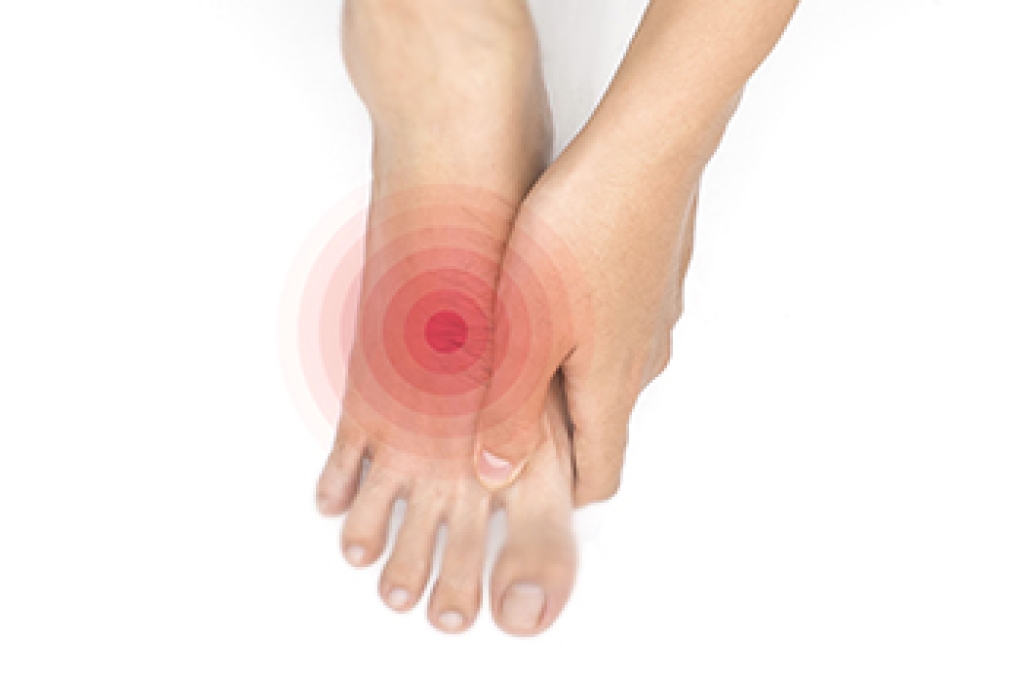
Read more about Plantar Warts

Plantar Warts Can Be Treated!

Plantar warts are small growths that develop on parts of the feet that bear weight. They're typically found on the bottom of the foot. Don't live with plantar warts, and call us today!

Simple Steps That Can Help Diabetic Patients

Many diabetic patients realize the importance of maintaining proper foot care. This can be an overwhelming task to accomplish, and it is beneficial that small steps are taken that can simplify the process. It is important to engage in a gentle exercise program frequently, and this can help to improve blood circulation to the feet, as well as the overall body. Eating healthy foods that can comprise a healthy diet may help to monitor glucose levels, and existing nerve damage may be controlled. Stress can raise blood pressure, and elevating the feet at the end of the day may give them a needed rest and may help to reduce existing stress. Additionally, inspecting the feet daily can reveal any cuts and scrapes that have developed. Many people who are diabetic experience neuropathy, which is the inability to feel sensation in the feet. Family members or caregivers may help patients to see the soles of their feet by helping them to use a mirror. If you have diabetes, it is strongly suggested that you are under the care of a podiatrist who can help you to manage this condition.

Diabetic foot care is important in preventing foot ailments such as ulcers. If you are suffering from diabetes or have any other concerns about your feet, contact Kenneth Donovan, DPM from Advanced Care Foot and Ankle. Our doctor can provide the care you need to keep you pain-free and on your feet.

Diabetic Foot Care

Diabetes affects millions of people every year. The condition can damage blood vessels in many parts of the body, especially the feet. Because of this, taking care of your feet is essential if you have diabetes, and having a podiatrist help monitor your foot health is highly recommended.

The Importance of Caring for Your Feet

  • Routinely inspect your feet for bruises or sores.
  • Wear socks that fit your feet comfortably.
  • Wear comfortable shoes that provide adequate support.

Patients with diabetes should have their doctor monitor their blood levels, as blood sugar levels play such a huge role in diabetic care. Monitoring these levels on a regular basis is highly advised.

It is always best to inform your healthcare professional of any concerns you may have regarding your feet, especially for diabetic patients. Early treatment and routine foot examinations are keys to maintaining proper health, especially because severe complications can arise if proper treatment is not applied.

If you have any questions, please feel free to contact our office located in Charleston, SC . We offer the newest diagnostic and treatment technologies for all your foot care needs.

Read more about How to Care for Diabetic Foot

Exercise May be Helpful in Preventing Falls

Falling can be dangerous. This can apply to any age group, and it is especially helpful for seniors to be aware of how the feet can become injured from falling. It is beneficial for elderly people to be acutely aware of their surroundings, which may falter as the aging process occurs. Getting adequate sleep and leading a healthy lifestyle may be good fall prevention techniques. One of the best things seniors can do for their body is to engage in a gentle exercise and stretching program. This is effective in building and maintaining strength in various parts of the body, which may help to reduce the number of falls. It may also aid patients in getting up quicker after falling, as a result of improved flexibility. There are prevention methods that can be implemented in the household. These can include removing worn rugs from the living area, and installing grab bars in the toilet and shower area. If you would like to know more about how falling can affect the feet and possible prevention methods, it is suggested that you consult with a podiatrist who can provide you with useful information.

Preventing falls among the elderly is very important. If you are older and have fallen or fear that you are prone to falling, consult with Kenneth Donovan, DPM from Advanced Care Foot and Ankle. Our doctor will assess your condition and provide you with quality advice and care.

Every 11 seconds, an elderly American is being treated in an emergency room for a fall related injury. Falls are the leading cause of head and hip injuries for those 65 and older. Due to decreases in strength, balance, senses, and lack of awareness, elderly persons are very susceptible to falling. Thankfully, there are a number of things older persons can do to prevent falls.

How to Prevent Falls

Some effective methods that older persons can do to prevent falls include:

  • Enrolling in strength and balance exercise program to increase balance and strength
  • Periodically having your sight and hearing checked
  • Discuss any medications you have with a doctor to see if it increases the risk of falling
  • Clearing the house of falling hazards and installing devices like grab bars and railings
  • Utilizing a walker or cane
  • Wearing shoes that provide good support and cushioning
  • Talking to family members about falling and increasing awareness

Falling can be a traumatic and embarrassing experience for elderly persons; this can make them less willing to leave the house, and less willing to talk to someone about their fears of falling. Doing such things, however, will increase the likelihood of tripping or losing one’s balance. Knowing the causes of falling and how to prevent them is the best way to mitigate the risk of serious injury.  

If you have any questions, please feel free to contact our office located in Charleston, SC . We offer the newest diagnostic and treatment technologies for all your foot care needs.
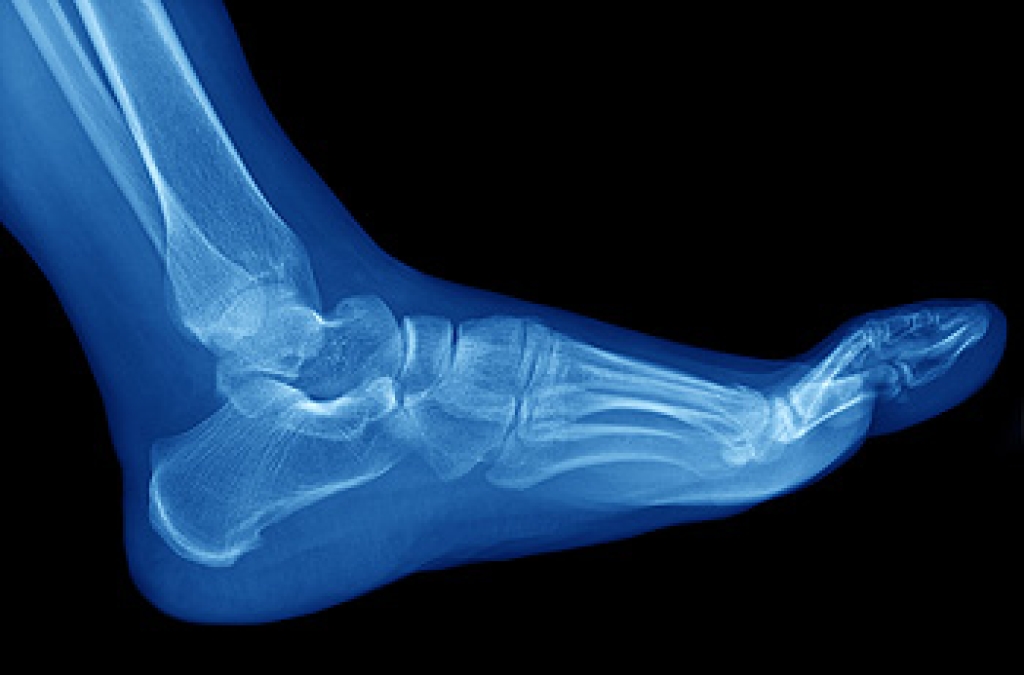
Read more about Falls Prevention

Complex Foot Anatomy

One of the functions of the feet is providing mobility and supporting the weight of the body. The feet are considered to be one of the most complex structures in the body, and are constructed of 26 bones, several muscles, tendons, and ligaments. There are numerous foot conditions which can develop from enduring an injury, or from wearing shoes that do not fit correctly. There are several types of bones that are found in each foot. These are referred to as the phalanges, which are the bones in the toes, and the metatarsals that are found within the flat part of the foot. All the foot bones work in synchronized harmony, and most people are unaware until there is foot pain. An injury can occur to parts of the foot other than the bones. A ligament is defined as a strong tissue that connects the bones together. An injured ligament may require a longer recovery time as a result of limited blood flow. If you would like to have additional knowledge about how the feet are constructed, it is suggested that you consult with a podiatrist who can provide you with the information you are seeking.

If you have any concerns about your feet, contact Kenneth Donovan, DPM from Advanced Care Foot and Ankle. Our doctor can provide the care you need to keep you pain-free and on your feet.

Biomechanics in Podiatry

Podiatric biomechanics is a particular sector of specialty podiatry with licensed practitioners who are trained to diagnose and treat conditions affecting the foot, ankle and lower leg. Biomechanics deals with the forces that act against the body, causing an interference with the biological structures. It focuses on the movement of the ankle, the foot and the forces that interact with them.

A History of Biomechanics

  • Biomechanics dates back to the BC era in Egypt where evidence of professional foot care has been recorded.
  • In 1974, biomechanics gained a higher profile from the studies of Merton Root, who claimed that by changing or controlling the forces between the ankle and the foot, corrections or conditions could be implemented to gain strength and coordination in the area.

Modern technological improvements are based on past theories and therapeutic processes that provide a better understanding of podiatric concepts for biomechanics. Computers can provide accurate information about the forces and patterns of the feet and lower legs.

Understanding biomechanics of the feet can help improve and eliminate pain, stopping further stress to the foot.

If you have any questions please feel free to contact our office located in Charleston, SC . We offer the newest diagnostic and treatment technologies for all your foot and ankle needs.

Read more about The Importance of Biomechanics in Podiatry

Connect With Us