Well-Loved Baby Feet

Parents fall in love with every aspect of their newborn child, including their tiny, precious feet. They try hard to care for their babies in all ways and do what they can to ensure their child grows up healthfully. Paying attention to a baby’s feet is required as part of this care. Babies are born with the ability to walk, even if they usually cannot do so until about 15 months of age. They are usually born with flat feet, and when they first stand, their leg and foot muscles are not developed enough to support the arches. It takes approximately seven years for the arches to form. Baby’s feet need to be cared for to notice problems brewing and prepare them for walking. Good foot care for baby includes regularly examining their feet for abnormalities or developing problems. It is also recommended that parents keep their child’s feet clean, dry, and moisturized, cut their toenails straight across versus in a curved shape, and make sure their feet are not hampered from movement in their clothes or bed. Foot exercises will help to strengthen their feet. Babies should also wear socks rather than shoes before walking outdoors for strengthening purposes. To help you best care for your baby’s feet, it is suggested that you visit a podiatrist for more information on proper care.

The health of a child’s feet is vital to their overall well-being. If you have any questions regarding foot health, contact Kenneth Donovan, DPM of Advanced Care Foot and Ankle. Our doctor can provide the care you need to keep you pain-free and on your feet.

Tips for Keeping Children's Feet Healthy

  • Make sure their shoes fit properly
  • Look for any signs of in-toeing or out-toeing
  • Check to see if they have Clubfoot (condition that affects your child’s foot and ankle, twisting the heel and toes inward) which is one of the most common nonmajor birth defects.
  • Lightly cover your baby’s feet (Tight covers may keep your baby from moving their feet freely, and could prevent normal development)
  • Allow your toddler to go shoeless (Shoes can be restricting for a young child’s foot)
  • Cut toenails straight across to avoid ingrown toenails
  • Keep your child’s foot clean and dry
  • Cover cuts and scrapes. Wash any scratches with soap and water and cover them with a bandage until they’ve healed.

If you have any questions, please feel free to contact our office located in Charleston, SC . We offer the newest diagnostic and treatment technologies for all your foot care needs.

Read more about How to Care for Your Child's Feet

Hydrotherapy and Plantar Fasciitis

Plantar fasciitis involves the tearing or overstretching of the plantar fascia, which is the thick band of tissue that runs from the heel to the toes on the sole of the foot. When this happens, pain is felt on the bottom of the foot while walking, or from prolonged sitting. It can take a long time to recover from plantar fasciitis, and it is a condition that can interfere with comfortable functioning. Stretching and strengthening exercises are often suggested to help in the healing process of this ailment. Water therapy has been found to be an effective way to exercise and obtain some relief during recovery from plantar fasciitis. Participation in aquatic fitness can help to increase the range of motion and strengthen the foot. Unlike walking, running, or other weight-bearing exercises, water acts as a shock absorber, and aqua therapy may help to relieve stressful joints. If you feel you may have plantar fasciitis, it is suggested that you visit a podiatrist for an evaluation and treatment, which may include hydrotherapy.

Plantar fasciitis is a common foot condition that is often caused by a strain injury. If you are experiencing heel pain or symptoms of plantar fasciitis, contact Kenneth Donovan, DPM from Advanced Care Foot and Ankle. Our doctor can provide the care you need to keep you pain-free and on your feet.

What Is Plantar Fasciitis?

Plantar fasciitis is one of the most common causes of heel pain. The plantar fascia is a ligament that connects your heel to the front of your foot. When this ligament becomes inflamed, plantar fasciitis is the result. If you have plantar fasciitis you will have a stabbing pain that usually occurs with your first steps in the morning. As the day progresses and you walk around more, this pain will start to disappear, but it will return after long periods of standing or sitting.

What Causes Plantar Fasciitis?

  • Excessive running
  • Having high arches in your feet
  • Other foot issues such as flat feet
  • Pregnancy (due to the sudden weight gain)
  • Being on your feet very often

There are some risk factors that may make you more likely to develop plantar fasciitis compared to others. The condition most commonly affects adults between the ages of 40 and 60. It also tends to affect people who are obese because the extra pounds result in extra stress being placed on the plantar fascia.

Prevention

  • Take good care of your feet – Wear shoes that have good arch support and heel cushioning.
  • Maintain a healthy weight
  • If you are a runner, alternate running with other sports that won’t cause heel pain

There are a variety of treatment options available for plantar fasciitis along with the pain that accompanies it. Additionally, physical therapy is a very important component in the treatment process. It is important that you meet with your podiatrist to determine which treatment option is best for you.

If you have any questions, please feel free to contact our office located in Charleston, SC . We offer the newest diagnostic and treatment technologies for all your foot care needs.


Read more about Plantar Fasciitis

Several Methods That Can Help to Prevent Falling

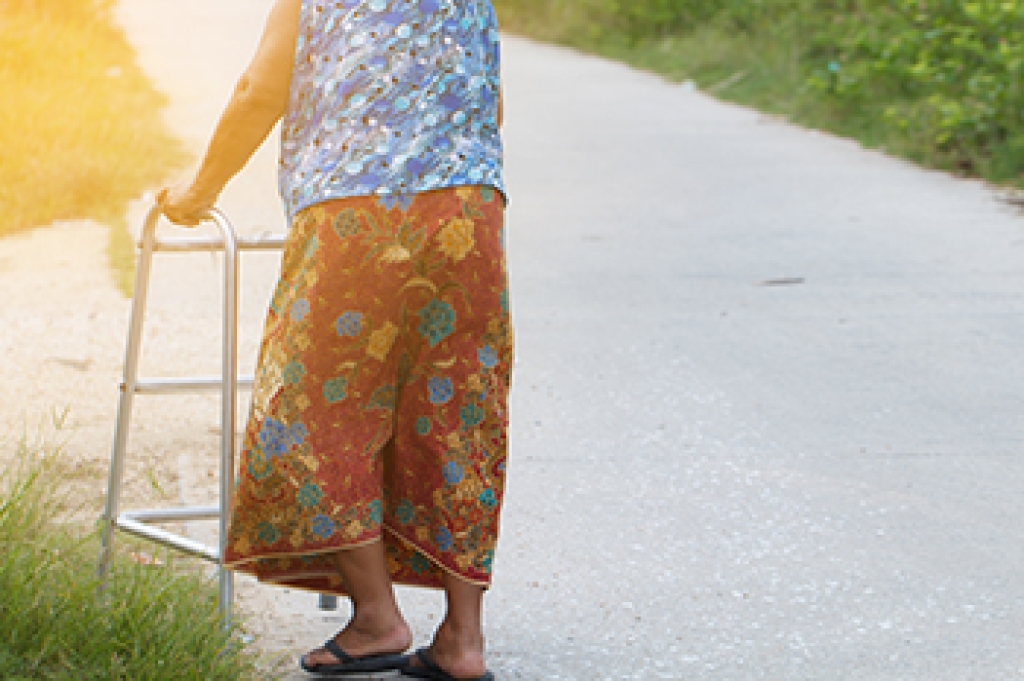
Falling is the leading cause of injury the majority of emergency departments handle. Common injuries from falling can include hip fractures, bruising, or head injuries, which can be serious concerns among the elderly population. People who are older can notice their eyesight may have become poorer, and it is beneficial to have routine eye examinations which can replace existing eyeglasses. Having regular physical examinations is an effective method in updating prescribed medicine, which may be helpful in preventing falls. There are effective fall prevention methods that can be implemented in the home. These can include repairing broken steps that lead into the house, and it can be helpful to check existing lighting surrounding the front door. Additionally, in the kitchen area, scatter rugs can be replaced with rubber backed rugs that can better stay in place. Many people install grab bars in the toilet and shower area, and keep a non-slip rubber mat in the bathtub or shower. If you would like more information about effective fall prevention methods, it is suggested that you discuss this with a podiatrist who can provide you with helpful tips.

Preventing falls among the elderly is very important. If you are older and have fallen or fear that you are prone to falling, consult with Kenneth Donovan, DPM from Advanced Care Foot and Ankle. Our doctor will assess your condition and provide you with quality advice and care.

Every 11 seconds, an elderly American is being treated in an emergency room for a fall related injury. Falls are the leading cause of head and hip injuries for those 65 and older. Due to decreases in strength, balance, senses, and lack of awareness, elderly persons are very susceptible to falling. Thankfully, there are a number of things older persons can do to prevent falls.

How to Prevent Falls

Some effective methods that older persons can do to prevent falls include:

  • Enrolling in strength and balance exercise program to increase balance and strength
  • Periodically having your sight and hearing checked
  • Discuss any medications you have with a doctor to see if it increases the risk of falling
  • Clearing the house of falling hazards and installing devices like grab bars and railings
  • Utilizing a walker or cane
  • Wearing shoes that provide good support and cushioning
  • Talking to family members about falling and increasing awareness

Falling can be a traumatic and embarrassing experience for elderly persons; this can make them less willing to leave the house, and less willing to talk to someone about their fears of falling. Doing such things, however, will increase the likelihood of tripping or losing one’s balance. Knowing the causes of falling and how to prevent them is the best way to mitigate the risk of serious injury.  

If you have any questions, please feel free to contact our office located in Charleston, SC . We offer the newest diagnostic and treatment technologies for all your foot care needs.
Read more about Falls Prevention

How to Prevent Falls

Falls prevention is particularly important for the elderly population, who are more apt to suffer from fall-related injuries. Performing regular stretching and strengthening exercises are methods that can help to maintain balance. Ensuring loose carpets are adhered to the floor, halls are cleared of obstacles, and floors are dry,  can help to avoiding falling at home. It is beneficial for medications to be checked for side effects that may cause dizziness or fatigue. Having eyesight regularly checked and updating prescription eyeglasses will keep vision issues under control. Routinely going to the doctor for examinations can help with staying ahead of current or emerging health conditions, which may possibly lead to falling. For example, if blood pressure is low or arthritic joints are inflamed, falls are more likely to occur. If you have had previous falls, and sustained an injury to your feet or ankles, it is suggested that you visit a podiatrist who can help you in all of these areas, and guide you toward effective fall prevention techniques.

Preventing falls among the elderly is very important. If you are older and have fallen or fear that you are prone to falling, consult with Kenneth Donovan, DPM from Advanced Care Foot and Ankle. Our doctor will assess your condition and provide you with quality advice and care.

Every 11 seconds, an elderly American is being treated in an emergency room for a fall related injury. Falls are the leading cause of head and hip injuries for those 65 and older. Due to decreases in strength, balance, senses, and lack of awareness, elderly persons are very susceptible to falling. Thankfully, there are a number of things older persons can do to prevent falls.

How to Prevent Falls

Some effective methods that older persons can do to prevent falls include:

  • Enrolling in strength and balance exercise program to increase balance and strength
  • Periodically having your sight and hearing checked
  • Discuss any medications you have with a doctor to see if it increases the risk of falling
  • Clearing the house of falling hazards and installing devices like grab bars and railings
  • Utilizing a walker or cane
  • Wearing shoes that provide good support and cushioning
  • Talking to family members about falling and increasing awareness

Falling can be a traumatic and embarrassing experience for elderly persons; this can make them less willing to leave the house, and less willing to talk to someone about their fears of falling. Doing such things, however, will increase the likelihood of tripping or losing one’s balance. Knowing the causes of falling and how to prevent them is the best way to mitigate the risk of serious injury.  

If you have any questions, please feel free to contact our office located in Charleston, SC . We offer the newest diagnostic and treatment technologies for all your foot care needs.

Read more about Falls Prevention

Are You Suffering From Nerve Damage?

Neuropathy is a condition that can lead to numbness or loss of sensation in the feet, but it can also cause pain. This condition is more likely to develop for those who are diabetic, obese, or with high blood pressure.

Connect With Us