Complications of Untreated Hammertoes

Hammertoes are a deformity where one or more toes become bent at the middle joint, resembling a hammer. This condition often affects the second, third, or fourth toes and can lead to pain, stiffness, and difficulty wearing shoes. Common symptoms include visible toe bending, discomfort, corns or calluses from friction with footwear, and limited range of motion in the affected toes. Hammertoes develop due to muscle imbalances in the foot, often caused by wearing tight or ill-fitting shoes, injury, or conditions like arthritis or diabetes. Left untreated, hammertoes can worsen, leading to complications such as open sores, infections, or permanent joint damage. Treatment options vary depending on severity, from conservative approaches such as wearing roomier shoes to surgical correction in more advanced cases. If you have a hammertoe, it is suggested that you visit a podiatrist as early intervention can alleviate discomfort and prevent further deformity.

Hammertoes can be a painful condition to live with. For more information, contact Kenneth Donovan, DPM of Advanced Care Foot and Ankle. Our doctor will answer any of your foot- and ankle-related questions.

Hammertoe

Hammertoe is a foot deformity that occurs due to an imbalance in the muscles, tendons, or ligaments that normally hold the toe straight. It can be caused by the type of shoes you wear, your foot structure, trauma, and certain disease processes.

Symptoms

  • Painful and/or difficult toe movement
  • Swelling
  • Joint stiffness
  • Calluses/Corns
  • Physical deformity

Risk Factors

  • Age – The risk of hammertoe increases with age
  • Sex – Women are more likely to have hammertoe compared to men
  • Toe Length – You are more likely to develop hammertoe if your second toe is longer than your big toe
  • Certain Diseases – Arthritis and diabetes may make you more likely to develop hammertoe

Treatment

If you have hammertoe, you should change into a more comfortable shoe that provides enough room for your toes. Exercises such as picking up marbles may strengthen and stretch your toe muscles. Nevertheless, it is important to seek assistance from a podiatrist in order to determine the severity of your hammertoe and see which treatment option will work best for you.

If you have any questions, please feel free to contact our office located in Charleston, SC . We offer the newest diagnostic and treatment technologies for all your foot care needs.

Read more about Hammertoe

Foot Exercises for Arthritis

If you suffer from arthritis in your feet and ankles, incorporating gentle foot exercises into your routine can help alleviate symptoms like joint stiffness and pain. One effective stretch involves placing a book on the floor and standing on it with just the balls of your feet, keeping your heels on the ground. Lean forward while keeping your knees straight until you feel a stretch in your calves and hold it for 15 to 30 seconds. For ankle mobility, sit in a chair, lift one foot slightly off the ground, and trace the letters of the alphabet in the air. Repeat with the other foot. These exercises can improve flexibility and reduce discomfort. It is also beneficial to get personalized advice. For additional stretches and a tailored exercise plan, confer with a podiatrist. It is suggested that you schedule an appointment with this type of doctor to get professional guidance to keep your feet and ankles in optimal condition.

Arthritis can be a difficult condition to live with. If you are seeking treatment, contact Kenneth Donovan, DPM from Advanced Care Foot and Ankle. Our doctor can provide the care you need to keep you pain-free and on your feet.

Arthritic Foot Care  

Arthritis is a term that is commonly used to describe joint pain.  The condition itself can occur to anyone of any age, race, or gender, and there are over 100 types of it.  Nevertheless, arthritis is more commonly found in women compared to men, and it is also more prevalent in those who are overweight. The causes of arthritis vary depending on which type of arthritis you have. Osteoarthritis for example, is often caused by injury, while rheumatoid arthritis is caused by a misdirected immune system.

Symptoms

  • Swelling
  • Pain
  • Stiffness
  • Decreased Range of Motion

Arthritic symptoms range in severity, and they may come and go. Some symptoms stay the same for several years but could potentially get worse with time. Severe cases of arthritis can prevent its sufferers from performing daily activities and make walking difficult.

Risk Factors

  • Occupation – Occupations requiring repetitive knee movements have been linked to osteoarthritis
  • Obesity – Excess weight can contribute to osteoarthritis development
  • Infection – Microbial agents can infect the joints and trigger arthritis
  • Joint Injuries – Damage to joints may lead to osteoarthritis
  • Age – Risk increases with age
  • Gender –Most types are more common in women
  • Genetics – Arthritis can be hereditary

If you suspect your arthritis is affecting your feet, it is crucial that you see a podiatrist immediately. Your doctor will be able to address your specific case and help you decide which treatment method is best for you.

If you have any questions please feel free to contact our office located in Charleston, SC . We offer the newest diagnostic tools and technology to treat your foot and ankle needs.

Read more about How to Care for Your Arthritic Foot

Swollen Feet During Pregnancy

Swollen feet are a common discomfort during pregnancy, often caused by the body retaining extra fluid and pressure from the growing uterus. This extra pressure can affect blood flow, leading to fluid buildup in the lower extremities. Swelling of the feet and ankles is typically more noticeable later in the day or during advanced stages of pregnancy. While this is usually harmless, it can become uncomfortable and limit mobility. It is important to monitor sudden increases in swelling, as they may be a sign of a more serious condition, such as pre-eclampsia, which requires immediate medical attention. A podiatrist can assess your feet, offer guidance on managing discomfort, and suggest ways to alleviate pressure on the feet and ankles. This medically trained foot doctor can also evaluate whether the swelling is part of a typical pregnancy experience or if further intervention is necessary. If pregnancy is causing swollen feet and ankles, it is suggested that you make an appointment with a podiatrist for an exam, diagnosis, and treatment options.

Pregnant women with swollen feet can be treated with a variety of different methods that are readily available. For more information about other cures for swollen feet during pregnancy, consult with Kenneth Donovan, DPM from Advanced Care Foot and Ankle. Our doctor will attend to all of your foot and ankle needs.

What Foot Problems Can Arise During Pregnancy?

One problem that can occur is overpronation, which occurs when the arch of the foot flattens and tends to roll inward.  This can cause pain and discomfort in your heels while you’re walking or even just standing up, trying to support your baby.  

Another problem is edema, or swelling in the extremities. This often affects the feet during pregnancy but tends to occur in the later stages. 

How Can I Keep My Feet Healthy During Pregnancy?

  • Wearing orthotics can provide extra support for the feet and help distribute weight evenly
  • Minimize the amount of time spent walking barefoot
  • Wear shoes with good arch support
  • Wear shoes that allow for good circulation to the feet
  • Elevate feet if you experience swelling
  • Massage your feet
  • Get regular, light exercise, such as walking, to promote blood circulation to the feet

If you have any questions, please feel free to contact our office located in Charleston, SC . We offer the newest diagnostic and treatment technologies for all your foot care needs.
Read more about Foot Care for Pregnant Women

Symptoms of Heel Spurs

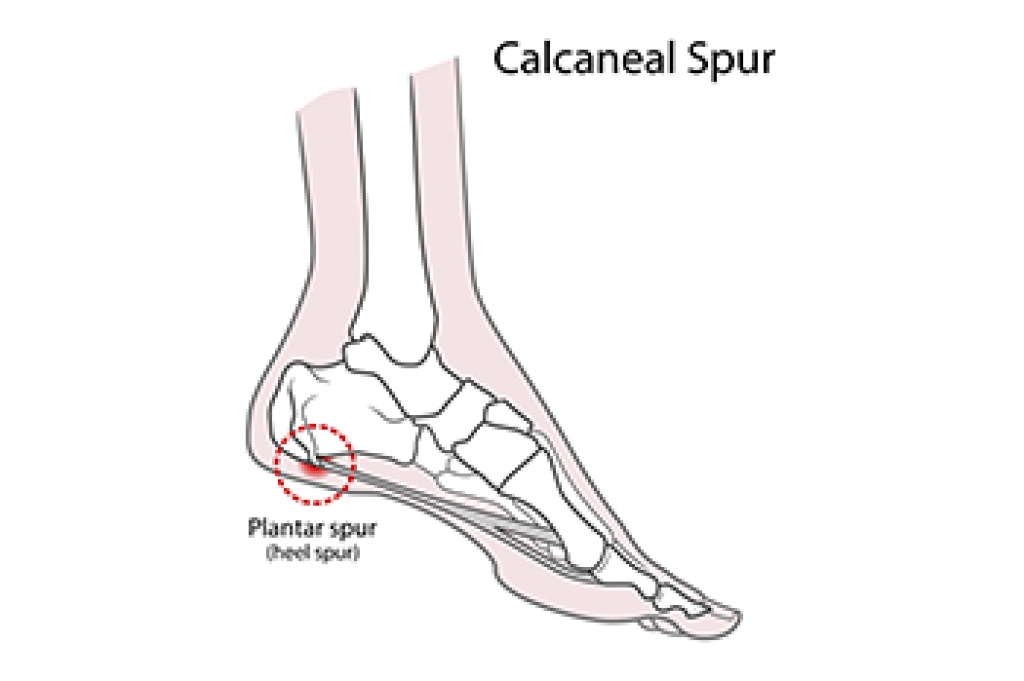
Heel spurs can cause significant discomfort and disrupt your daily routine. A common symptom is a sharp, knife-like pain in the heel when you first stand up in the morning, which can make getting out of bed challenging. Throughout the day, this pain often transforms into a dull ache, while inflammation and swelling at the front of the heel become noticeable. You might also feel heat radiating from the affected area and observe a small, visible bone-like protrusion under the heel. The heel's bottom may be tender to touch, making walking barefoot particularly uncomfortable. If you are experiencing these symptoms, it is important to seek professional help. A podiatrist can provide a precise diagnosis and effective treatment options tailored to your needs. Do not let heel spurs keep you from your daily activities. It is suggested you schedule an appointment with a podiatrist to get back on your feet comfortably.

Heel spurs can be incredibly painful and sometimes may make you unable to participate in physical activities. To get medical care for your heel spurs, contact Kenneth Donovan, DPM from Advanced Care Foot and Ankle. Our doctor will do everything possible to treat your condition.

Heels Spurs

Heel spurs are formed by calcium deposits on the back of the foot where the heel is. This can also be caused by small fragments of bone breaking off one section of the foot, attaching onto the back of the foot. Heel spurs can also be bone growth on the back of the foot and may grow in the direction of the arch of the foot.

Older individuals usually suffer from heel spurs and pain sometimes intensifies with age. One of the main condition's spurs are related to is plantar fasciitis.

Pain

The pain associated with spurs is often because of weight placed on the feet. When someone is walking, their entire weight is concentrated on the feet. Bone spurs then have the tendency to affect other bones and tissues around the foot. As the pain continues, the feet will become tender and sensitive over time.

Treatments

There are many ways to treat heel spurs. If one is suffering from heel spurs in conjunction with pain, there are several methods for healing. Medication, surgery, and herbal care are some options.

If you have any questions, please feel free to contact our office located in Charleston, SC . We offer the newest diagnostic and treatment technologies for all your foot care needs.

Read more about How to Treat Heel Spurs

We Can Treat Your Foot or Ankle Pain

Foot or ankle pain can negatively affect your day-to-day life and can occur due to several different conditions. Pain can also be an indicator of a more serious underlying condition, which is why you should seek professional help as soon as you notice any abnormalities in your feet.

Connect With Us