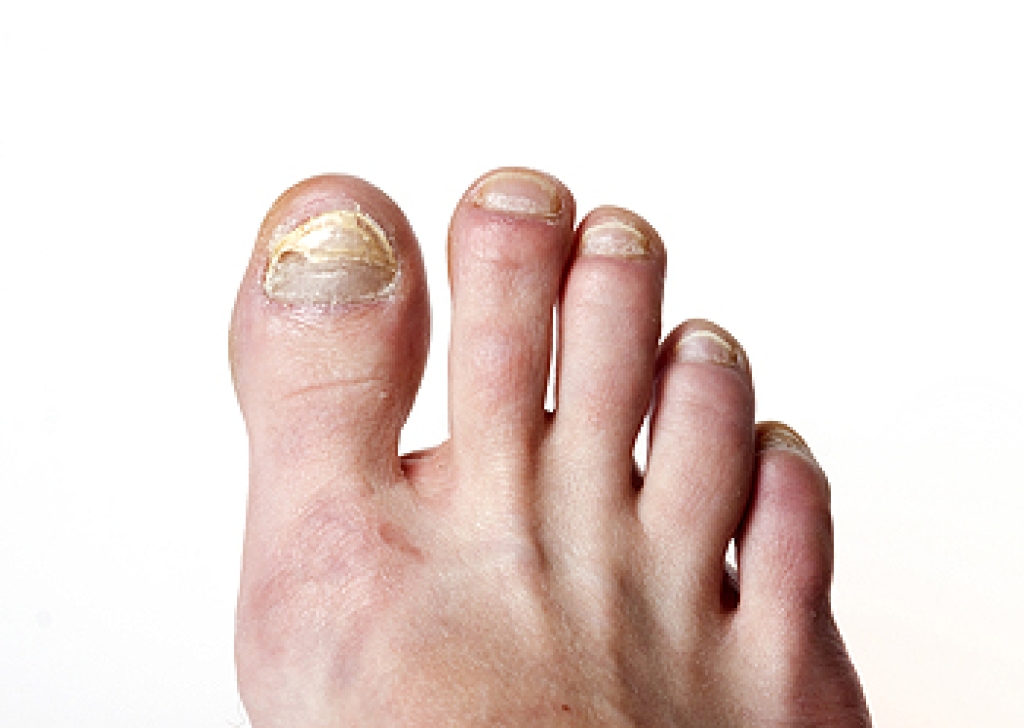
Dealing With Toenail Fungus

Toenail fungus, or onychomycosis, is caused by fungi that invade the nail bed, leading to discoloration, thickening, and even crumbling of the nail. Factors contributing to this infection include warm, moist environments, improper foot hygiene, and underlying health issues like diabetes or a weakened immune system. Symptoms often include yellow or brown discoloration, a foul odor, and discomfort in severe cases. Treatment options range from topical antifungal medications to oral prescriptions and, in persistent cases, laser therapy or nail removal. A podiatrist specializes in foot health and can accurately diagnose toenail fungus, recommend effective treatments, and provide advice on preventing future infections. If you suspect you have toenail fungus, consider scheduling an appointment with a podiatrist. Early intervention can help restore your nail health and prevent complications, allowing you to enjoy healthy, beautiful feet again.

If left untreated, toenail fungus may spread to other toenails, skin, or even fingernails. If you suspect you have toenail fungus it is important to seek treatment right away. For more information about treatment, contact Kenneth Donovan, DPM of Advanced Care Foot and Ankle. Our doctor can provide the care you need to keep you pain-free and on your feet.

Symptoms

  • Warped or oddly shaped nails
  • Yellowish nails
  • Loose/separated nail
  • Buildup of bits and pieces of nail fragments under the nail
  • Brittle, broken, thickened nail

Treatment

If self-care strategies and over-the-counter medications does not help your fungus, your podiatrist may give you a prescription drug instead. Even if you find relief from your toenail fungus symptoms, you may experience a repeat infection in the future.

Prevention

In order to prevent getting toenail fungus in the future, you should always make sure to wash your feet with soap and water. After washing, it is important to dry your feet thoroughly especially in between the toes. When trimming your toenails, be sure to trim straight across instead of in a rounded shape. It is crucial not to cover up discolored nails with nail polish because that will prevent your nail from being able to “breathe”.

In some cases, surgical procedure may be needed to remove the toenail fungus. Consult with your podiatrist about the best treatment options for your case of toenail fungus.  

If you have any questions please contact our office located in Charleston, SC . We offer the newest diagnostic and treatment technologies for all your foot and ankle needs.


Read more about Treating Toenail Fungus

Are You Suffering From Nerve Damage?

Neuropathy is a condition that can lead to numbness or loss of sensation in the feet, but it can also cause pain. This condition is more likely to develop for those who are diabetic, obese, or with high blood pressure.

Proactive Strategies to Prevent Running Injuries

Preventing running injuries is vital for maintaining a consistent training routine and enhancing overall performance. One of the most effective strategies is wearing the right running shoes, which should be tailored to your foot type and running style. Proper footwear provides essential support, cushioning, and stability, reducing the risk of injuries such as stress fractures and tendonitis. Additionally, incorporating a gradual training plan is essential, and avoiding sudden increases in distance or intensity will allow your body to adapt. Regular stretching and strength training can improve flexibility and strengthen muscles, further protecting against injury. Listening to your body and taking rest days when needed is equally important for recovery. If you have injured your foot or ankle while running, it is suggested that you contact a podiatrist who can provide the appropriate treatment solutions.

All runners should take extra precaution when trying to avoid injury. If you have any concerns about your feet, contact Kenneth Donovan, DPM of Advanced Care Foot and Ankle. Our doctor will treat your foot and ankle needs.

How to Prevent Running Injuries

There are a lot of mistakes a runner can make prior to a workout that can induce injury. A lot of athletes tend to overstretch before running, instead of saving those workouts for a post-run routine. Deep lunges and hand-to-toe hamstring pulls should be performed after a workout instead of during a warmup. Another common mistake is jumping into an intense routine before your body is physically prepared for it. You should try to ease your way into long-distance running instead of forcing yourself to rush into it.

More Tips for Preventing Injury

  • Incorporate Strength Training into Workouts - This will help improve the body’s overall athleticism
  • Improve and Maintain Your Flexibility – Stretching everyday will help improve overall performance
  • “Warm Up” Before Running and “Cool Down” Afterward – A warm up of 5-10 minutes helps get rid of lactic acid in the muscles and prevents delayed muscle soreness
  • Cross-Training is Crucial
  • Wear Proper Running Shoes
  • Have a Formal Gait Analysis – Poor biomechanics can easily cause injury

If you have any questions, please feel free to contact our office located in Charleston, SC . We offer the newest diagnostic and treatment technologies for all your foot care needs.

Read more about Preventing Running Injuries

Foot Care Tips for Diabetic Patients

Proper foot care is vital for diabetic patients, as diabetes can lead to nerve damage and poor circulation, which increase the risk of foot complications. Regularly inspecting the feet for cuts, blisters, or redness is essential, as early detection can prevent serious issues. Keeping the feet clean and dry helps reduce the risk of infections. It is important to moisturize the skin, but avoid applying lotion between the toes to prevent excess moisture. Wearing well-fitted shoes is important to prevent friction and blisters, while checking inside shoes for foreign objects daily can help avoid injuries. Maintaining blood sugar levels within a target range contributes to overall foot health. If you have diabetes, it is strongly suggested that you are under the care of a podiatrist and schedule routine visits. This type of doctor can help you to manage this serious condition.

Diabetic foot care is important in preventing foot ailments such as ulcers. If you are suffering from diabetes or have any other concerns about your feet, contact Kenneth Donovan, DPM from Advanced Care Foot and Ankle. Our doctor can provide the care you need to keep you pain-free and on your feet.

Diabetic Foot Care

Diabetes affects millions of people every year. The condition can damage blood vessels in many parts of the body, especially the feet. Because of this, taking care of your feet is essential if you have diabetes, and having a podiatrist help monitor your foot health is highly recommended.

The Importance of Caring for Your Feet

  • Routinely inspect your feet for bruises or sores.
  • Wear socks that fit your feet comfortably.
  • Wear comfortable shoes that provide adequate support.

Patients with diabetes should have their doctor monitor their blood levels, as blood sugar levels play such a huge role in diabetic care. Monitoring these levels on a regular basis is highly advised.

It is always best to inform your healthcare professional of any concerns you may have regarding your feet, especially for diabetic patients. Early treatment and routine foot examinations are keys to maintaining proper health, especially because severe complications can arise if proper treatment is not applied.

If you have any questions, please feel free to contact our office located in Charleston, SC . We offer the newest diagnostic and treatment technologies for all your foot care needs.

Read more about Diabetic Foot Care

Options and Recovery for Plantar Fasciitis Surgery

Plantar fasciitis surgery is considered for individuals who have not found relief from conservative treatments after an extended period. Two primary surgical options are open surgery and endoscopic surgery. Open surgery involves a larger incision to release the plantar fascia or remove inflamed tissue, while endoscopic surgery uses smaller incisions and a camera for a minimally invasive approach. Good candidates for surgery typically include those with persistent pain, significant functional limitations, and no improvement despite comprehensive non-surgical treatments. Recovery times can vary based on the type of surgery, as open surgery may require a longer recovery period of several weeks, while endoscopic surgery often allows for a quicker return to normal activities, typically within a few weeks. If you have plantar fasciitis and are considering surgery for relief, it is suggested that you consult a podiatrist who can determine if this is the right decision for you.


Foot surgery is sometimes necessary to treat a foot ailment. To learn more, contact Kenneth Donovan, DPM of Advanced Care Foot and Ankle. Our doctor will assist you with all of your foot and ankle needs.

When Is Surgery Necessary?

Foot and ankle surgery is generally reserved for cases in which less invasive, conservative procedures have failed to alleviate the problem. Some of the cases in which surgery may be necessary include:

  • Removing foot deformities like bunions and bone spurs
  • Severe arthritis that has caused bone issues
  • Cosmetic reconstruction

What Types of Surgery Are There?

The type of surgery you receive will depend on the nature of the problem you have. Some of the possible surgeries include:

  • Bunionectomy for painful bunions
  • Surgical fusion for realignment of bones
  • Neuropathy decompression surgery to treat nerve damage

Benefits of Surgery

Although surgery is usually a last resort, it can provide more complete pain relief compared to non-surgical methods and may allow you to finally resume full activity.

Surgical techniques have also become increasingly sophisticated. Techniques like endoscopic surgery allow for smaller incisions and faster recovery times.

If you have any questions, please feel free to contact our office located in Charleston, SC . We offer the newest diagnostic and treatment technologies for all your foot care needs.

Read more about Foot Surgery

Connect With Us