Orthotics and Children

Orthotics are shoe inserts that serve a variety of purposes and can be either custom-made or over-the-counter. Some orthotics are simply meant to provide support and others are meant to correct certain foot deformities. While orthotics are used by adults sometimes children might also benefit from wearing orthotics. Many children are afflicted by a condition known as Sever’s disease, which causes heel pain. Heel pain is a common painful sensation among children. The use of certain orthotic devices can help combat the damaging effects of heel pain among children and young adults. Besides heel pain, there are also many other different common symptoms that children experience in the feet that can be addressed through the use of orthotics. For example, misaligned feet and knee pain are other common symptoms in children, and orthotics might be a good option. If you have a child that is experiencing any of these problems, contact a podiatrist today. 

If you are having discomfort in your feet and would like to try orthotics, contact Kenneth Donovan, DPM from Advanced Care Foot and Ankle. Our doctor can provide the care you need to keep you pain-free and on your feet.

What Are Orthotics?

Orthotics are inserts you can place into your shoes to help with a variety of foot problems such as flat feet or foot pain. Orthotics provide relief and comfort for minor foot and heel pain but can’t correct serious biomechanical problems in your feet.

Over-the-Counter Inserts

Orthotics come in a wide variety of over-the-counter inserts that are used to treat foot pain, heel pain, and minor problems. For example, arch supports can be inserted into your shoes to help correct overarched or flat feet, while gel insoles are often used because they provide comfort and relief from foot and heel pain by alleviating pressure.

Prescription Orthotics

If over-the-counter inserts don’t work for you or if you have a more severe foot concern, it is possible to have your podiatrist prescribe custom orthotics. These high-quality inserts are designed to treat problems such as abnormal motion, plantar fasciitis, and severe forms of heel pain. They can even be used to help patients suffering from diabetes by treating foot ulcers and painful calluses and are usually molded to your feet individually, which allows them to provide full support and comfort.

If you are experiencing minor to severe foot or heel pain, it’s recommended to speak with your podiatrist about the possibilities of using orthotics. A podiatrist can determine which type of orthotic is right for you and allow you to take the first steps towards being pain-free.

If you have any questions, please feel free to contact our office located in Charleston, SC . We offer the newest diagnostic and treatment technologies for all your foot care needs.

Read more about Foot Orthotics

How Tight Should You Tie Your Shoes?

One rite of passage into young adulthood is learning how to tie one’s shoes without any help. However, when it comes to running shoes, many runners are unsure about how tight one ought to tie their laces when lacing up running shoes. Although everyone’s needs will be slightly different, one important rule of thumb to keep in mind is that the shoes ought to fit snugly against the feet. However, the laces should not be tied so that the shoe is resting tightly against the foot. Selecting a running shoe involves making many important decisions, and the laces are just one kind of decision. If you are a runner and want to make sure that you are doing all that you can to select the correct running shoe and are tying the laces correctly, contact a podiatrist today. By scheduling an appointment, you can help ensure that you are receiving the guidance you need to protect your feet.

Finding a properly-fitting shoe is important in reducing injuries and preventing foot problems. For more information about treatment, contact Kenneth Donovan, DPM from Advanced Care Foot and Ankle. Our doctor will treat your foot and ankle needs.

Proper Shoe Fitting

A common concern when it comes to foot health, having properly fitted shoes can help prevent injuries to the foot. Out feet affect our posture and gait, which in turn affects the biomechanics and overall bodily structure. With 33 joints, 26 bones, and over 100 ligaments, the potential for serious injury is much greater than one realizes. Although the feet cease growth in adulthood, they still change shape as they mature. Here are some factors to consider when it comes to investing in proper fitting shoes:

  • Be sure the shoes fit correctly right away
  • Ensure the ball of your foot fits comfortably in the widest portion of the shoes
  • Even though they may look fashionable, improper fitting shoes can either create adverse conditions or exacerbate existing ones you may already have
  • Walk along a carpeted surface to ensure the shoes comfortably fit during normal activity

Keeping in mind how shoes fit the biomechanics of your body, properly-fitting shoes are vitally important. Fortunately, it is not difficult to acquire footwear that fits correctly. Be sure to wear shoes that support the overall structure of your body. Do your feet a favor and invest in several pairs of well-fitted shoes today.

If you have any questions, please feel free to contact our office located in Charleston, SC . We offer the newest diagnostic and treatment technologies for all your foot care needs.

Read more about Proper Shoe Fitting

Foot Pain From Different Sources

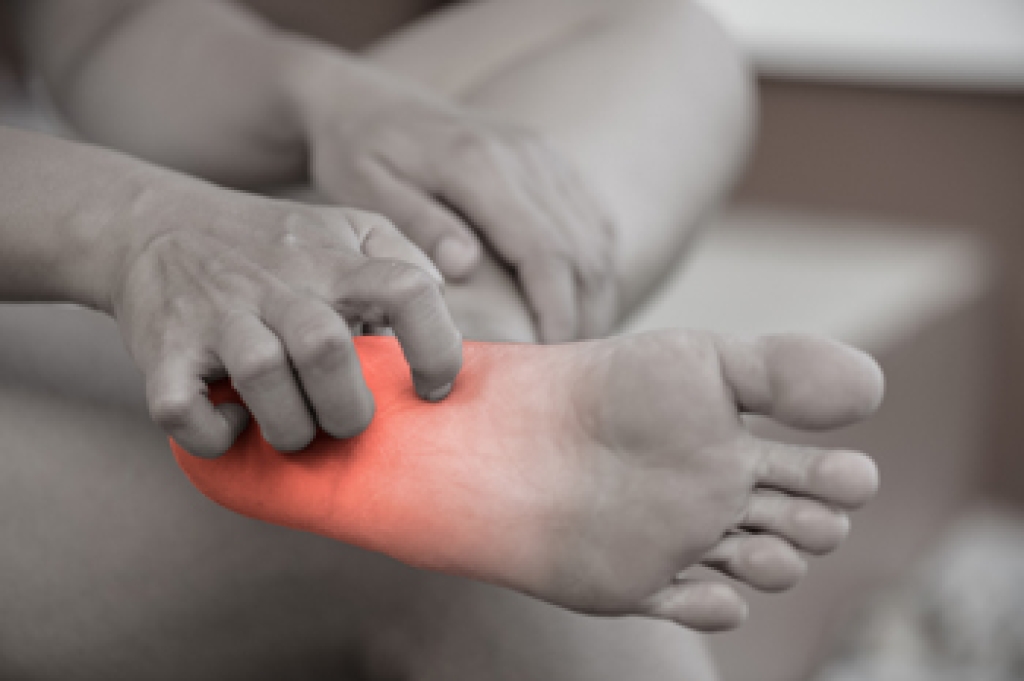
Sometimes, it is possible that parts of the human body can cause us pain. The feet are certainly no exception. This is why you can visit a podiatrist if you are experiencing foot pain. This foot specialist will be able to address the problems that you have been having with your feet and work to find a solution to the problem. Your foot pain can be the result of any number of different foot afflictions. For example, you might be experiencing foot pain from a condition known as plantar fasciitis. This foot condition develops when the plantar fascia, the band of tissue in the arch of the foot, becomes inflamed and irritated. Conversely, you might be experiencing foot pain as a result of a condition known as flat feet. Although many cases of flat feet do not produce pain, it is still possible to feel discomfort from this condition. Flat feet is present in an individual if the entire sole of their foot rests flush against the floor. If you are experiencing foot pain of any kind, err on the side of caution and contact a podiatrist today.

Foot Pain

Foot pain can be extremely painful and debilitating. If you have a foot pain, consult with Kenneth Donovan, DPM from Advanced Care Foot and Ankle. Our doctor will assess your condition and provide you with quality foot and ankle treatment.

Causes

Foot pain is a very broad condition that could be caused by one or more ailments. The most common include:

  • Bunions
  • Hammertoes
  • Plantar Fasciitis
  • Bone Spurs
  • Corns
  • Tarsal Tunnel Syndrome
  • Ingrown Toenails
  • Arthritis (such as Gout, Rheumatoid, and Osteoarthritis)
  • Flat Feet
  • Injury (from stress fractures, broken toe, foot, ankle, Achilles tendon ruptures, and sprains)
  • And more

Diagnosis

To figure out the cause of foot pain, podiatrists utilize several different methods. This can range from simple visual inspections and sensation tests to X-rays and MRI scans. Prior medical history, family medical history, and any recent physical traumatic events will all be taken into consideration for a proper diagnosis.

Treatment

Treatment depends upon the cause of the foot pain. Whether it is resting, staying off the foot, or having surgery; podiatrists have a number of treatment options available for foot pain.

If you have any questions, please feel free to contact our office located in Charleston, SC . We offer the newest diagnostic and treatment technologies for all your foot care needs.
Read more about Foot Pain

Three Groups of Nerves

Damaged nerves in the feet may cause a condition that is called neuropathy. The network of nerves that are found outside the central nervous system are referred to as the peripheral nervous system, and are separated into three categories. Pain and touch are controlled by the sensory nerves, and natural functions consisting of blood pressure and bladder control are grouped into the autonomic nerves. The motor nerves are responsible for controlling muscle movement, and approximately 10 percent of the population in the United Kingdom is affected by neuropathy. Common symptoms that people can experience include a loss of balance, weakened feet, and there may be a numbing, or burning sensation in the hands and feet. People who are diabetic may be susceptible to developing neuropathy, as a result of elevated blood sugar levels. Additionally, a nerve injury may cause this condition, or it may occur from taking specific medications. If you have any of the above symptoms, it is suggested that you seek the counsel of a podiatrist who can guide you toward the right treatment solutions.

Neuropathy

Neuropathy can be a potentially serious condition, especially if it is left undiagnosed. If you have any concerns that you may be experiencing nerve loss in your feet, consult with Kenneth Donovan, DPM from Advanced Care Foot and Ankle. Our doctor will assess your condition and provide you with quality foot and ankle treatment for neuropathy.

What Is Neuropathy?

Neuropathy is a condition that leads to damage to the nerves in the body. Peripheral neuropathy, or neuropathy that affects your peripheral nervous system, usually occurs in the feet. Neuropathy can be triggered by a number of different causes. Such causes include diabetes, infections, cancers, disorders, and toxic substances.

Symptoms of Neuropathy Include:

  • Numbness
  • Sensation loss
  • Prickling and tingling sensations
  • Throbbing, freezing, burning pains
  • Muscle weakness

Those with diabetes are at serious risk due to being unable to feel an ulcer on their feet. Diabetics usually also suffer from poor blood circulation. This can lead to the wound not healing, infections occurring, and the limb may have to be amputated.

Treatment

To treat neuropathy in the foot, podiatrists will first diagnose the cause of the neuropathy. Figuring out the underlying cause of the neuropathy will allow the podiatrist to prescribe the best treatment, whether it be caused by diabetes, toxic substance exposure, infection, etc. If the nerve has not died, then it’s possible that sensation may be able to return to the foot.

Pain medication may be issued for pain. Electrical nerve stimulation can be used to stimulate nerves. If the neuropathy is caused from pressure on the nerves, then surgery may be necessary.

If you have any questions, please feel free to contact our office located in Charleston, SC . We offer the newest diagnostic and treatment technologies for all your foot care needs.

Read more about Neuropathy

Connect With Us