What is a Heel Spur?

There are patients that develop a bony growth on their heel, and this may be referred to as a heel spur. A common symptom that is generally associated with this ailment can include pain and discomfort after arising in the morning. Research has indicated it can form in patients who have plantar fasciitis, which is an inflammation of the plantar fascia. Mild relief may be felt when the affected foot is taped, as this may help to provide extra support. Additionally, it can help to rest the foot as often as possible, and to lose existing weight in obese patients. In severe cases, a heel spur can be surgically removed. If you have heel pain that may indicate a heel spur, it is strongly advised that you consult with a podiatrist as quickly as possible who can determine what the best course of treatment is for you.

Heel spurs can be incredibly painful and sometimes may make you unable to participate in physical activities. To get medical care for your heel spurs, contact Kenneth Donovan, DPM from Advanced Care Foot and Ankle. Our doctor will do everything possible to treat your condition.

Heels Spurs

Heel spurs are formed by calcium deposits on the back of the foot where the heel is. This can also be caused by small fragments of bone breaking off one section of the foot, attaching onto the back of the foot. Heel spurs can also be bone growth on the back of the foot and may grow in the direction of the arch of the foot.

Older individuals usually suffer from heel spurs and pain sometimes intensifies with age. One of the main condition's spurs are related to is plantar fasciitis.

Pain

The pain associated with spurs is often because of weight placed on the feet. When someone is walking, their entire weight is concentrated on the feet. Bone spurs then have the tendency to affect other bones and tissues around the foot. As the pain continues, the feet will become tender and sensitive over time.

Treatments

There are many ways to treat heel spurs. If one is suffering from heel spurs in conjunction with pain, there are several methods for healing. Medication, surgery, and herbal care are some options.

If you have any questions, please feel free to contact our office located in Charleston, SC . We offer the newest diagnostic and treatment technologies for all your foot care needs.
Read more about Heel Spurs

How to Strengthen Flat Feet

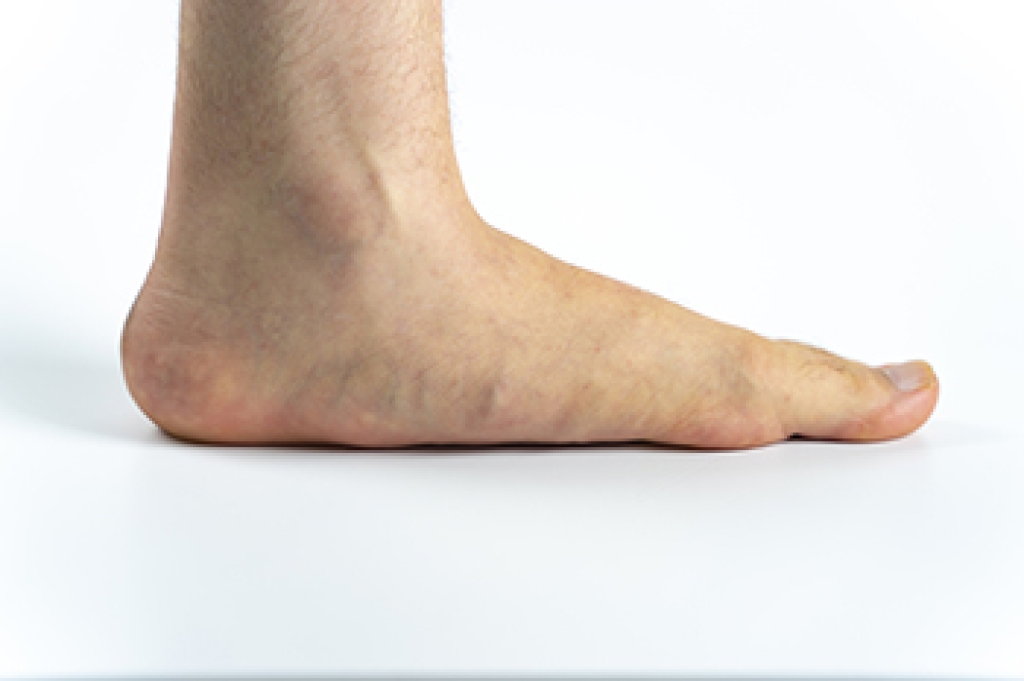
Flat feet occur when the arches of the feet collapse, causing the entire sole to touch the ground. Some people have flexible flat feet where the arch appears when not standing, while others have rigid flat feet where the arch remains flat at all times. Helpful exercises include toe curls, heel raises, and arch lifts to build foot strength and improve support. Massaging the peroneal muscles along the outer lower leg can also reduce tension and improve stability. A podiatrist can evaluate your foot structure, provide targeted treatment, and recommend custom orthotics to support proper alignment. If you have any discomfort from having flat feet, it is suggested that you consult a podiatrist who can offer effective relief, which may include additional foot stretches.

Exercising your feet regularly with the proper foot wear is a great way to prevent injuries and build strength. If you have any concerns about your feet, contact Kenneth Donovan, DPM from Advanced Care Foot and Ankle. Our doctor can provide the care you need to keep you pain-free and on your feet.

Exercise for Your Feet

Exercise for your feet can help you gain strength, mobility and flexibility in your feet. They say that strengthening your feet can be just as rewarding as strengthening another part of the body. Your feet are very important, and we often forget about them in our daily tasks. But it is because of our feet that are we able to get going and do what we need to. For those of us fortunate enough to not have any foot problems, it is an important gesture to take care of them to ensure good health in the long run.

Some foot health exercises can include ankle pumps, tip-toeing, toe rises, lifting off the floor doing reps and sets, and flexing the toes. It is best to speak with Our doctor to determine an appropriate regimen for your needs. Everyone’s needs and bodies are different, and the activities required to maintain strength in the feet vary from individual to individual. 

Once you get into a routine of doing regular exercise, you may notice a difference in your feet and how strong they may become.

If you have any questions, please feel free to contact our office located in Charleston, SC . We offer the newest diagnostic and treatment technologies for all your foot care needs.

Read more about Exercise for Your Feet

Understanding Sever’s Disease in Growing Feet

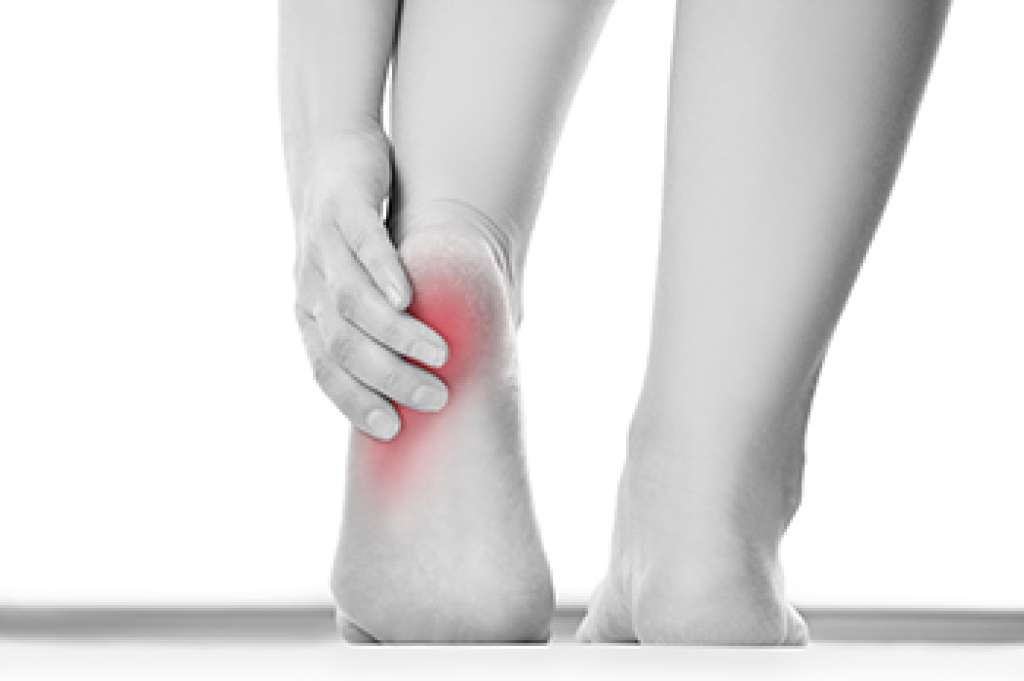
Sever’s disease is a common cause of heel pain in active children and adolescents, especially during growth spurts when the heel bone develops faster than the surrounding muscles and tendons. This condition is caused by inflammation of the growth plate at the back of the heel, often triggered by repetitive stress from running, jumping, or playing sports. It may look like slight swelling or redness around the heel, and it often feels like sharp or aching pain that worsens with activity and improves with rest. Some children may limp or avoid putting pressure on the affected foot. A podiatrist can provide an accurate diagnosis by examining the heel and assessing gait or footwear concerns. Treatment may include activity modification, stretching exercises, heel cushions, or supportive custom orthotics to reduce stress on the growth plate. These strategies help relieve pain and promote healthy development. If your child experiences persistent heel discomfort, it is suggested that you make an appointment with a podiatrist.

Sever's disease often occurs in children and teens. If your child is experiencing foot or ankle pain, see Kenneth Donovan, DPM from Advanced Care Foot and Ankle. Our doctor can treat your child’s foot and ankle needs.

Sever’s Disease

Sever’s disease is also known as calcaneal apophysitis, which is a medical condition that causes heel pain I none or both feet. The disease is known to affect children between the ages of 8 and 14.

Sever’s disease occurs when part of the child’s heel known as the growth plate (calcaneal epiphysis) is attached to the Achilles tendon. This area can suffer injury when the muscles and tendons of the growing foot do not keep pace with bone growth. Therefore, the constant pain which one experiences at the back of the heel will make the child unable to put any weight on the heel. The child is then forced to walk on their toes.

Symptoms

Acute pain – Pain associated with Sever’s disease is usually felt in the heel when the child engages in physical activity such as walking, jumping and or running.

Highly active – Children who are very active are among the most susceptible in experiencing Sever’s disease, because of the stress and tension placed on their feet.

If you have any questions, please feel free to contact our office located in Charleston, SC . We offer the newest diagnostic and treatment technologies for all your foot care needs.
Read more about Sever's Disease

Heel Pain Can Be Treated!

Do you suffer from heel pain when you get up in the morning? If so, you should seek professional help and have a proper diagnosis performed. Heel pain can be caused by several different foot-related conditions.

Understanding the Different Causes of Heel Pain

Heel pain is one of the most frequent foot complaints, but it does not always have a single cause. While plantar fasciitis is often blamed, fat pad atrophy or nerve entrapment can produce similar discomfort. Each cause has different symptoms. Plantar fasciitis often creates sharp pain with the first steps in the morning, while fat pad atrophy feels more like a deep bruise from loss of natural cushioning. Because symptoms can overlap, an accurate diagnosis is important in choosing the right treatment. A podiatrist can evaluate foot structure, activity level, and gait patterns to pinpoint the true source of pain. Treatments may include stretching, custom orthotics, footwear changes, or other targeted therapies. If heel pain is interfering with your daily comfort, it is suggested that you schedule a podiatric evaluation to find the most effective treatment solution.

Many people suffer from bouts of heel pain. For more information, contact Kenneth Donovan, DPM of Advanced Care Foot and Ankle. Our doctor can provide the care you need to keep you pain-free and on your feet.

Causes of Heel Pain

Heel pain is often associated with plantar fasciitis. The plantar fascia is a band of tissues that extends along the bottom of the foot. A rip or tear in this ligament can cause inflammation of the tissue.

Achilles tendonitis is another cause of heel pain. Inflammation of the Achilles tendon will cause pain from fractures and muscle tearing. Lack of flexibility is also another symptom.

Heel spurs are another cause of pain. When the tissues of the plantar fascia undergo a great deal of stress, it can lead to ligament separation from the heel bone, causing heel spurs.

Why Might Heel Pain Occur?

  • Wearing ill-fitting shoes                
  • Wearing non-supportive shoes
  • Weight change           
  • Excessive running

Treatments

Heel pain should be treated as soon as possible for immediate results. Keeping your feet in a stress-free environment will help. If you suffer from Achilles tendonitis or plantar fasciitis, applying ice will reduce the swelling. Stretching before an exercise like running will help the muscles. Using all these tips will help make heel pain a condition of the past.

If you have any questions, please feel free to contact our office located in Charleston, SC . We offer the newest diagnostic and treatment technologies for all your foot care needs.

Read more about Heel Pain

Connect With Us