Stretches for Flat Feet

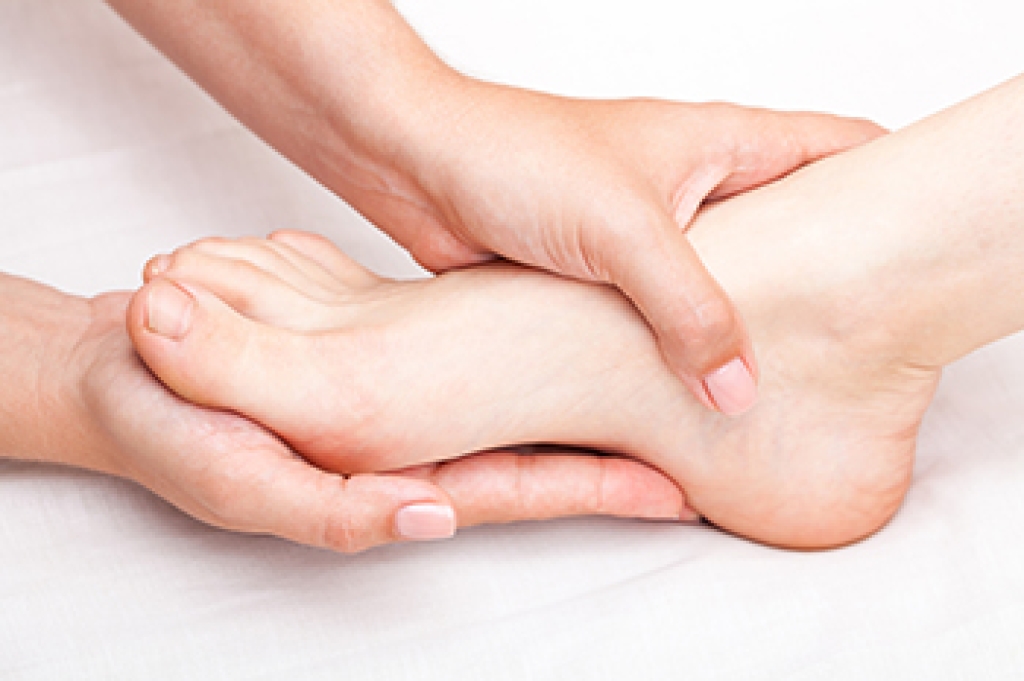
Stretching the feet as part of one’s everyday foot care routine can yield significant benefits. For example, stretching the feet can improve stability, flexibility, and mobility. However, certain groups of individuals stand to benefit even more from frequently stretching the feet. Namely, individuals living with a foot condition known as flat feet may notice positive results from performing foot stretches. The reason for this is that certain stretches can strengthen the arch of the foot, resulting in a potential reduction in pain. Therefore, individuals with flat feet may consider performing towel scrunches, toe extensions, and heel raises. If you are someone looking to improve the general health of your feet through foot stretches, it is suggested that you contact a podiatrist today for advice and treatment.

Stretching the feet is a great way to prevent injuries. If you have any concerns with your feet consult with Kenneth Donovan, DPM from Advanced Care Foot and Ankle. Our doctor will assess your condition and provide you with quality foot and ankle treatment.

Stretching the Feet

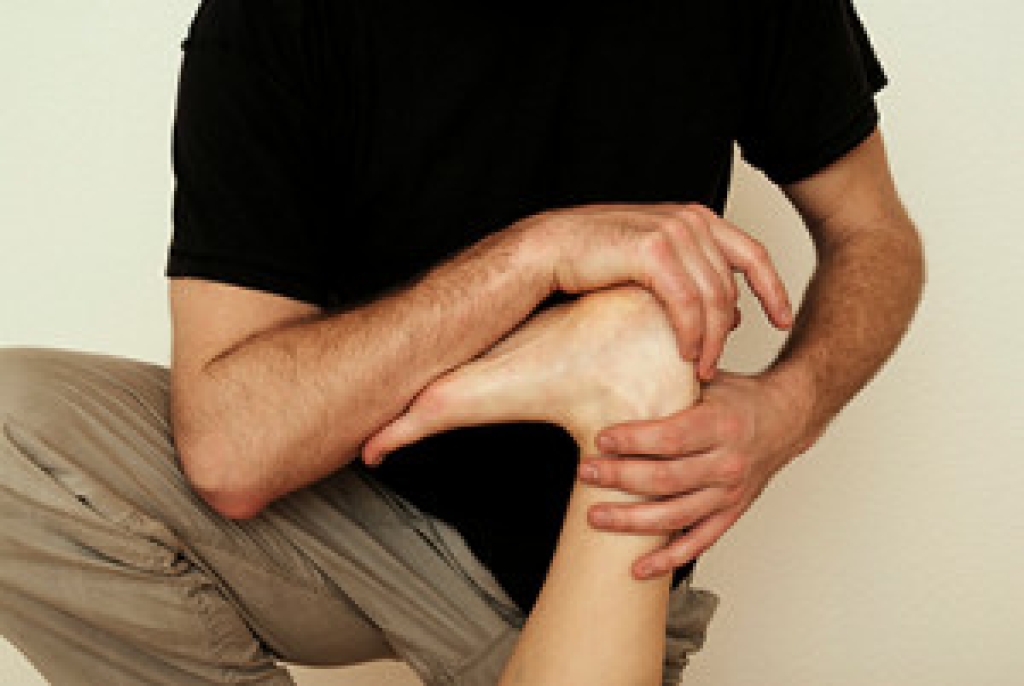
Being the backbone of the body, the feet carry your entire weight and can easily become overexerted, causing cramps and pain. As with any body part, stretching your feet can serve many benefits. From increasing flexibility to even providing some pain relief, be sure to give your feet a stretch from time to time. This is especially important for athletes or anyone performing aerobic exercises, but anyone experiencing foot pain or is on their feet constantly should also engage in this practice.

Great ways to stretch your feet:

  • Crossing one leg over the others and carefully pull your toes back. Do 10-20 repetitions and repeat the process for each foot
  • Face a wall with your arms out and hands flat against the wall. Step back with one foot and keep it flat on the floor while moving the other leg forward. Lean towards the wall until you feel a stretch. Hold for 30 seconds and perform 10 repetitions for each foot
  • Be sure not to overextend or push your limbs too hard or you could risk pulling or straining your muscle

Individuals who tend to their feet by regular stretching every day should be able to minimize foot pain and prevent new problems from arising.

If you have any questions please contact our office located in Charleston, SC . We offer the newest diagnostic and treatment technologies for all your foot and ankle needs.


Read more about How to Stretch Your Feet

Cleaning Cracked Heels

Cracked heels are an unsightly condition of the foot where excessive dehydration causes the skin at the back of the heel to become severely dry. As a result, the skin at the back of the heel may crack or fissure. Sometimes, an individual with a bad case of cracked heels might notice that their heels look dirty. This might be because dirt or debris can get trapped between the skin cracks. When the dirt builds up, this can give the appearance of gray lines on the back of the heels. If you are suffering from cracked heels, then it is suggested that you schedule an appointment with a podiatrist. This foot health specialist will be able to treat your condition and answer any questions that you might have about dirt building up in cracked heels.

Cracked heels are unsightly and can cause further damage to your shoes and feet. If you have any concerns, contact Kenneth Donovan, DPM from Advanced Care Foot and Ankle. Our doctor can provide the care you need to keep you pain-free and on your feet.

Cracked Heels

Cracked heels appear unappealing and can make it harder for you walk around in sandals. Aside from looking unpleasant, cracked heels can also tear stockings, socks, and wear out your shoes. There are several methods to help restore a cracked heel and prevent further damage.

How Do You Get Them?

Dry skin is the number one culprit in creating cracked heels. Many athletes, walkers, joggers, and even swimmers suffer from cracked heels. Age and skin oil production play a role to getting cracked heels as well.

Promote Healing

Over the counter medicines can help, especially for those that need instant relief or who suffer from chronic dry feet.

Wear Socks – Wearing socks with medicated creams helps lock in moisture.

Moisturizers – Applying both day and night will help alleviate dryness which causes cracking.

Pumice Stones – These exfoliate and remove dead skin, which allows for smoother moisturizer application and better absorption into the skin. 

Change in Diet

Eating healthy with a well-balanced diet will give the skin a fresh and radiant look. Your body responds to the kinds of food you ingest. Omega-3 fatty acids and zinc supplements can also revitalize skin tissue.

Most importantly, seek professional help if unsure how to proceed in treating cracked heels. A podiatrist will help you with any questions or information needed. 

If you have any questions, please feel free to contact our office located in Charleston, SC . We offer the newest diagnostic and treatment technologies for all your foot care needs.

Read more about Solutions for Cracked Heels

What Is an Ankle Sprain?

An ankle sprain is an overstretched or torn ligament in the ankle that can happen for various reasons. One may step off a curb unexpectedly or land on the foot in the wrong direction. Common symptoms that many people experience can include immediate swelling and bruising, and it is often difficult to walk. Sometimes a popping sound may be heard if the sprain is severe, and the pain can be debilitating. A diagnosis is needed to determine if the injury is a fracture or a sprain. An X-ray will be taken, followed by beginning the correct treatment. Ankle sprains will heal faster when the foot is elevated and the weight is kept off the affected foot as much as possible. Many people choose to use a walking aid that is generally effective in restoring mobility. If you have ankle pain or fear you may have sprained it, it is suggested that you confer with a podiatrist who can confirm this and offer you the correct treatment options

Ankle sprains are common but need immediate attention. If you need your feet checked, contact Kenneth Donovan, DPM from Advanced Care Foot and Ankle. Our doctor can provide the care you need to keep you pain-free and on your feet.

How Does an Ankle Sprain Occur?

Ankle sprains take place when the ligaments in your ankle are torn or stretched beyond their limits. There are multiple ways that the ankle can become injured, including twisting or rolling over onto your ankle, putting undue stress on it, or causing trauma to the ankle itself.

What Are the Symptoms?

  • Mild to moderate bruising
  • Limited mobility
  • Swelling
  • Discoloration of the skin (depending on severity)

Preventing a Sprain

  • Wearing appropriate shoes for the occasion
  • Stretching before exercises and sports
  • Knowing your limits

Treatment of a Sprain

Treatment of a sprain depends on the severity.  Many times, people are told to rest and remain off their feet completely, while others are given an air cast. If the sprain is very severe, surgery may be required.

If you have suffered an ankle sprain previously, you may want to consider additional support such as a brace and regular exercises to strengthen the ankle.

If you have any questions please feel free to contact our office located in Charleston, SC . We offer the newest diagnostic tools and technology to treat your foot and ankle needs.

Read more about Ankle Sprains

Bunions Are Common

Bunions are considered to be one of the most common foot problems among adults. Research has shown that approximately one-third of adults are afflicted with bunions, and it may happen from wearing shoes that do not have sufficient room for the toes to move in freely. Additionally, genetics may play a role in developing bunions, and while that cannot be prevented, steps may be taken to bring relief. A bunion is defined as a bony growth that develops on the side of the big toe, and if the bunion is large, it may cause the other toes to shift toward each other. It is beneficial to reduce the length of time high heels are worn, and replace them with stylish shoes that have a low heel and adequate room in the toe box of the shoe. Temporary relief may be found when a protective pad is worn over the bunion, and this may be helpful in preventing corns from developing. If you have developed a bunion, it is suggested that you schedule an appointment with a podiatrist who can offer you relief, which may include surgery for permanent removal.

If you are suffering from bunion pain, contact Kenneth Donovan, DPM of Advanced Care Foot and Ankle. Our doctor can provide the care you need to keep you pain-free and on your feet.

What Is a Bunion?

Bunions are painful bony bumps that usually develop on the inside of the foot at the joint of the big toe. As the deformity increases over time, it may become painful to walk and wear shoes. Women are more likely to exacerbate existing bunions since they often wear tight, narrow shoes that shift their toes together. Bunion pain can be relieved by wearing wider shoes with enough room for the toes.

Causes

  • Genetics – some people inherit feet that are more prone to bunion development
  • Inflammatory Conditions - rheumatoid arthritis and polio may cause bunion development

Symptoms

  • Redness and inflammation
  • Pain and tenderness
  • Callus or corns on the bump
  • Restricted motion in the big toe

In order to diagnose your bunion, your podiatrist may ask about your medical history, symptoms, and general health. Your doctor might also order an x-ray to take a closer look at your feet. Nonsurgical treatment options include orthotics, padding, icing, changes in footwear, and medication. If nonsurgical treatments don’t alleviate your bunion pain, surgery may be necessary.

If you have any questions, please feel free to contact our office located in Charleston, SC . We offer the newest diagnostic and treatment technologies for all your foot care needs.

Read more about Bunions

Pain From Tarsal Tunnel Syndrome

There is a narrow passageway in the ankle that is called the tarsal tunnel. The tibial nerve runs through this tunnel and can become damaged if an injury has occurred or if there is consistent pressure on it. Some of the symptoms that are associated with this condition can include a numbing sensation, or it may feel like it is burning with sharp, shooting pains. Existing medical conditions may lead to getting tarsal tunnel syndrome. These can include arthritis, flat feet, or diabetes. The pain is often felt in the ankle, and a diagnosis is needed to properly confirm tarsal tunnel syndrome. In addition to examining the affected foot, a test may be performed which is called Tinel’s test. This is done by gently tapping on the tibial nerve which will tingle if this condition is present. There may be an MRI that is taken that is successful in determining if there is a bony growth or mass that can cause tarsal tunnel syndrome. Effective treatment methods can include frequently elevating the feet, and possibly wearing a brace or a splint that can limit mobility. If you have this type of pain in your ankle, please consult a podiatrist for a correct diagnosis and treatment plan.

Tarsal tunnel syndrome can be very uncomfortable to live with. If you are experiencing tarsal tunnel syndrome, contact Kenneth Donovan, DPM of Advanced Care Foot and Ankle. Our doctor can provide the care you need to keep you pain-free and on your feet.

Tarsal Tunnel Syndrome

Tarsal tunnel syndrome, which can also be called tibial nerve dysfunction, is an uncommon condition of misfiring peripheral nerves in the foot. The tibial nerve is the peripheral nerve in the leg responsible for sensation and movement of the foot and calf muscles. In tarsal tunnel syndrome, the tibial nerve is damaged, causing problems with movement and feeling in the foot of the affected leg.

Common Cause of Tarsal Tunnel Syndrome

  • Involves pressure or an injury, direct pressure on the tibial nerve for an extended period of time, sometimes caused by other body structures close by or near the knee.
  • Diseases that damage nerves, including diabetes, may cause tarsal tunnel syndrome.
  • At times, tarsal tunnel syndrome can appear without an obvious cause in some cases.

The Effects of Tarsal Tunnel Syndrome

  • Different sensations, an afflicted person may experience pain, tingling, burning or other unusual sensations in the foot of the affected leg.
  • The foot muscles, toes and ankle become weaker, and curling your toes or flexing your foot can become difficult.
  • If condition worsens, infections and ulcers may develop on the foot that is experiencing the syndrome.

A physical exam of the leg can help identify the presence of tarsal tunnel syndrome. Medical tests, such as a nerve biopsy, are also used to diagnose the condition. Patients may receive physical therapy and prescriptive medication. In extreme cases, some may require surgery.

If you have any questions please contact our office located in Charleston, SC . We offer the newest diagnostic and treatment technologies for all your foot and ankle needs.

Read more about Tarsal Tunnel Syndrome

Connect With Us