Weighing the Pros and Cons of Wearing Flip Flops

As temperatures rise, flip-flops emerge as the popular choice of footwear for casual comfort. Yet, their popularity sparks an ongoing debate regarding their merits and drawbacks. On the plus side, flip-flops are incredibly easy to slip on, making them perfect for quick outings or beach days. Their open design keeps feet cool, preventing sweat accumulation. However, this very feature can lead to issues. The lack of arch support and cushioning may result in foot pain or strain during extended wear. Flip flops provide minimal protection, possibly making feet vulnerable to injuries. Additionally, there is often a different walking gait, which can affect posture and stability. While flip flops offer undeniable convenience, it is crucial to balance their benefits with potential drawbacks, choosing them for appropriate situations while prioritizing foot health. If you would like to have more information about the pros and cons of wearing flip-flops, it is suggested that you speak with a podiatrist who can offer you valuable knowledge.

Flip-flops can cause a lot of problems for your feet. If you have any concerns about your feet or ankles, contact Kenneth Donovan, DPM from Advanced Care Foot and Ankle. Our doctor will assist you with all of your foot and ankle needs.

Flip-Flops and Feet

Flip-flops have managed to become a summer essential for a lot of people. While the shoes may be stylish and easy to slip on and off, they can be dangerous to those who wear them too often. These shoes might protect you from fungal infections such as athlete’s foot, but they can also give you foot pain and sprained ankles if you trip while wearing them.

When Are They Okay to Wear?

Flip-flops should only be worn for very short periods of time. They can help protect your feet in places that are crawling with fungi, such as gym locker rooms. Athlete’s foot and plantar warts are two common fungi that flip-flops may help protect your feet against.

Why Are They Bad for My Feet?

These shoes do not offer any arch support, so they are not ideal for everyday use. They also do not provide shock absorption or heel cushioning which can be problematic for your feet. Additionally, you may suffer from glass cuts, puncture wounds, and stubbed toes since they offer little protection for your feet.

More Reasons Why They Are Bad for Your Feet

  • They Slow You Down
  • May Cause Blisters and Calluses
  • Expose Your Feet to Bacteria

If you have any questions, please feel free to contact our office located in Charleston, SC . We offer the newest diagnostic and treatment technologies for all your foot care needs.

Read more about Flipping Out About Flip Flops

Is It Safe to Run During Pregnancy?

Staying active during pregnancy is vital, and running can be a great option for expectant mothers who were regular runners before conception. However, safety is paramount. It is beneficial to consult a medical professional before undertaking this type of exercise. In many cases, you can continue running if you experience good pre-pregnancy health and do not have complications. Secondly, it is helpful to choose proper footwear that supports your changing feet and opt for breathable, loose-fitting attire. Third, run with caution, especially as your balance changes, and run with a buddy. Avoid hazardous trails and prioritize pavement. It may be wise to refrain from running in particularly hot and humid conditions. Most importantly, slow down or stop if you feel pain, exhaustion, or an abnormal heart rate, and always consult a doctor if you experience dizziness, chest pain, contractions, or bleeding. Drink water regularly and monitor urine color. If you have questions about the wisdom of running during pregnancy, it is suggested that you consult a podiatrist for consultation and guidance. 

Pregnant women with swollen feet can be treated with a variety of different methods that are readily available. For more information about other cures for swollen feet during pregnancy, consult with Kenneth Donovan, DPM from Advanced Care Foot and Ankle. Our doctor will attend to all of your foot and ankle needs.

What Foot Problems Can Arise During Pregnancy?

One problem that can occur is overpronation, which occurs when the arch of the foot flattens and tends to roll inward.  This can cause pain and discomfort in your heels while you’re walking or even just standing up, trying to support your baby.  

Another problem is edema, or swelling in the extremities. This often affects the feet during pregnancy but tends to occur in the later stages. 

How Can I Keep My Feet Healthy During Pregnancy?

  • Wearing orthotics can provide extra support for the feet and help distribute weight evenly
  • Minimize the amount of time spent walking barefoot
  • Wear shoes with good arch support
  • Wear shoes that allow for good circulation to the feet
  • Elevate feet if you experience swelling
  • Massage your feet
  • Get regular, light exercise, such as walking, to promote blood circulation to the feet

If you have any questions, please feel free to contact our office located in Charleston, SC . We offer the newest diagnostic and treatment technologies for all your foot care needs.

Read more about Pregnancy and Foot Health

Ways to Prevent Blisters of the Feet

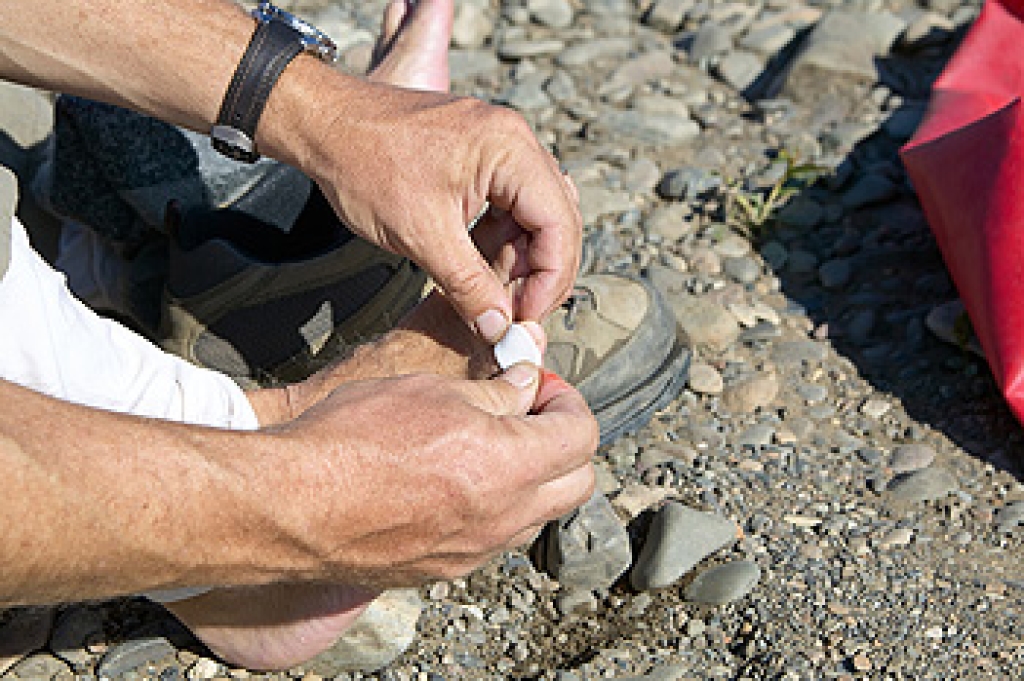
Foot blisters are fluid-filled sacs that develop under the skin due to excessive pressure or friction. Often painful and uncomfortable, foot blisters can appear as red, swollen areas that protrude from the skin's surface. When dealing with foot blisters, early intervention is crucial. Once a blister forms, clean the area with antiseptic lotion and apply antibiotic ointment. Cover the blister with a clean, nonadhesive bandage, and change it daily to prevent infection. Soothe pain and itching with a cold, wet washcloth over the blister. Preventing blisters requires proactive steps. Wear well-fitted footwear, as shoes that fit improperly can lead to friction. Test shoes before purchasing to ensure a snug fit. Keep your feet dry to prevent the buildup of moisture, and fully dry your feet before wearing socks. Apply tape or bandages on areas of the shoe prone to rubbing. While foot blisters aren't emergencies, their discomfort can limit mobility and open the door to infections. If initial treatments don't suffice or signs of infection arise, it is suggested that you make an appointment with a podiatrist for advanced treatment options.

Blisters may appear as a single bubble or in a cluster. They can cause a lot of pain and may be filled with pus, blood, or watery serum. If your feet are hurting, contact Kenneth Donovan, DPM of Advanced Care Foot and Ankle. Our doctor can provide the care you need to keep you pain-free and on your feet.

Foot Blisters

Foot blisters are often the result of friction. This happens due to the constant rubbing from shoes, which can lead to pain.

What Are Foot Blisters?

A foot blister is a small fluid-filled pocket that forms on the upper-most layer of the skin. Blisters are filled with clear fluid and can lead to blood drainage or pus if the area becomes infected.

Symptoms

(Blister symptoms may vary depending on what is causing them)

  • Bubble of skin filled with fluid
  • Redness
  • Moderate to severe pain
  • Itching

Prevention & Treatment

In order to prevent blisters, you should be sure to wear comfortable shoes with socks that cushion your feet and absorb sweat. Breaking a blister open may increase your chances of developing an infection. However, if your blister breaks, you should wash the area with soap and water immediately and then apply a bandage to the affected area. If your blisters cause severe pain it is important that you call your podiatrist right away.

If you have any questions, please feel free to contact our office located in Charleston, SC . We offer the newest diagnostic and treatment technologies for all your foot care needs.

Read more about Blisters

Gout Pain Can Be Managed

Gout is a painful, inflammatory form of arthritis. Those affected will typically feel an intense stiffness in the joints of their feet, particularly in the big toe. Schedule a visit to learn about how gout can be managed and treated.

Causes and Treatment of Plantar Fasciitis

Plantar fasciitis is the most common cause of heel pain. Its main symptom is inflammation of the plantar fascia, the tissue connecting the front of the foot to the heel. Plantar fasciitis affects approximately 2 million patients each year, with athletes and individuals between 40 to 60 years of age being the most susceptible. The heel pain can range from sharp to dull, often worsening after prolonged periods of standing or physical activity. Causes of plantar fasciitis include repetitive physical activity, foot arch issues, and increased body weight. If left untreated, heel pain can lead to difficulty in walking. Fortunately, plantar fasciitis can be treated with proper care. Stretching exercises can help to rehabilitate the plantar fascia, and wearing proper footwear with adequate arch support is crucial. In some cases, wearing a foot brace or night splint can help to reduce swelling and alleviate pain. A podiatrist may suggest steroid shots or injections, as well as other pain relief medication, and in extreme cases, surgery may be considered. For help with problems associated with plantar fasciitis, it is suggested that you make an appointment with a podiatrist for an exam and treatment options.

Plantar fasciitis can be very painful and inconvenient. If you are experiencing heel pain or symptoms of plantar fasciitis, contact Kenneth Donovan, DPM  from Advanced Care Foot and Ankle. Our doctor can provide the care you need to keep you pain-free and on your feet.

What Is Plantar Fasciitis?

Plantar fasciitis is the inflammation of the thick band of tissue that runs along the bottom of your foot, known as the plantar fascia, and causes mild to severe heel pain.

What Causes Plantar Fasciitis?

  • Excessive running
  • Non-supportive shoes
  • Overpronation
  • Repeated stretching and tearing of the plantar fascia

How Can It Be Treated?

  • Conservative measures – anti-inflammatories, ice packs, stretching exercises, physical therapy, orthotic devices
  • Shockwave therapy – sound waves are sent to the affected area to facilitate healing and are usually used for chronic cases of plantar fasciitis
  • Surgery – usually only used as a last resort when all else fails. The plantar fascia can be surgically detached from the heel

While very treatable, plantar fasciitis is definitely not something that should be ignored. Especially in severe cases, speaking to your doctor right away is highly recommended to avoid complications and severe heel pain. Your podiatrist can work with you to provide the appropriate treatment options tailored to your condition.

If you have any questions, please feel free to contact our office located in Charleston, SC . We offer the newest diagnostic and treatment technologies for all your foot care needs.

Read more about Plantar Fasciitis

Connect With Us