Facts About Morton’s Neuroma

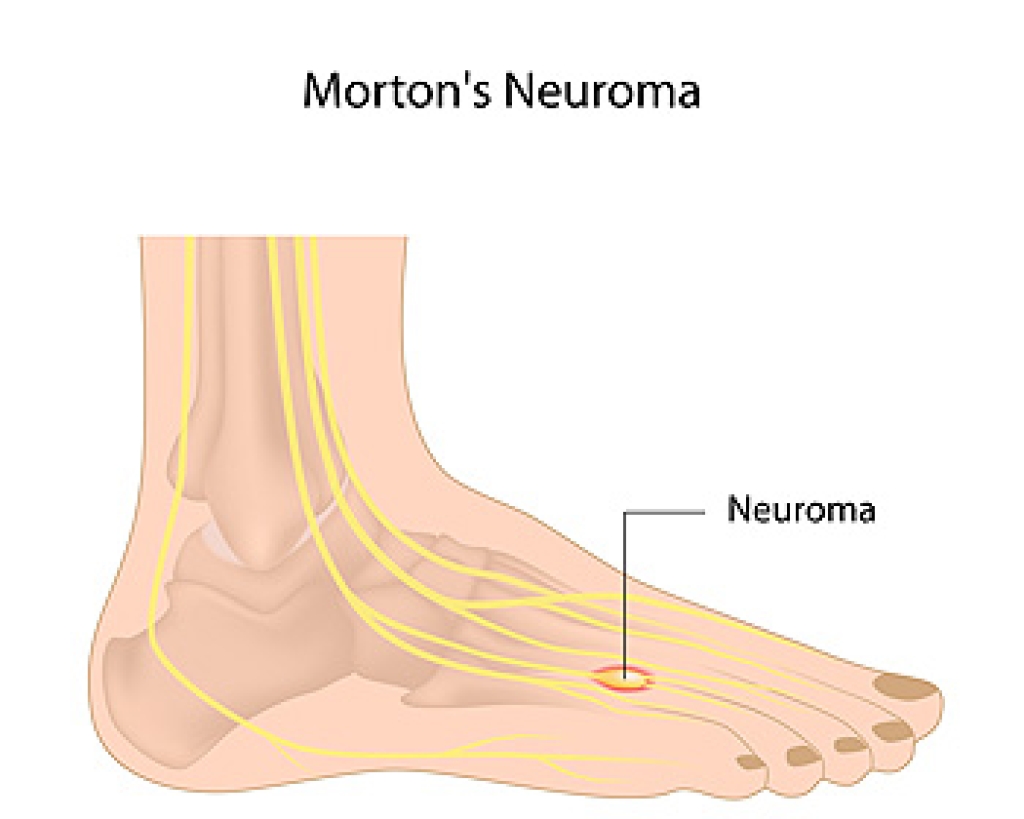
Morton's neuroma is a relatively common but often misunderstood foot condition that can lead to discomfort and pain. This condition can be demystified by exploring essential facts about Morton's neuroma. Morton's neuroma typically occurs between the third and fourth toes, though it can develop in other spaces in the foot. Despite its name, Morton's neuroma is not a tumor. It is actually a thickening of the tissue surrounding the nerves leading to the toes. Common symptoms can include sharp, burning pain or the sensation of a pebble in the shoe, typically while walking or running. Morton’s neuroma can be triggered by wearing tight shoes, high heels, or activities that put repetitive pressure on the forefoot, such as running. Treatment of Morton's neuroma can be managed with conservative measures such as wearing wider shoes, or using cushioned insoles. If conservative treatments do not provide relief, surgical removal of the neuroma may be considered. Effective preventive measures include wearing proper footwear, maintaining a healthy weight, and addressing foot issues promptly. If you have any of these symptoms, it is suggested that you consult a podiatrist who can accurately diagnose and treat Morton’s neuroma.  

Morton’s neuroma is a very uncomfortable condition to live with. If you think you have Morton’s neuroma, contact Kenneth Donovan, DPM of Advanced Care Foot and Ankle. Our doctor will attend to all of your foot care needs and answer any of your related questions.  

Morton’s Neuroma

Morton's neuroma is a painful foot condition that commonly affects the areas between the second and third or third and fourth toe, although other areas of the foot are also susceptible. Morton’s neuroma is caused by an inflamed nerve in the foot that is being squeezed and aggravated by surrounding bones.

What Increases the Chances of Having Morton’s Neuroma?

  • Ill-fitting high heels or shoes that add pressure to the toe or foot
  • Jogging, running or any sport that involves constant impact to the foot
  • Flat feet, bunions, and any other foot deformities

Morton’s neuroma is a very treatable condition. Orthotics and shoe inserts can often be used to alleviate the pain on the forefront of the feet. In more severe cases, corticosteroids can also be prescribed. In order to figure out the best treatment for your neuroma, it’s recommended to seek the care of a podiatrist who can diagnose your condition and provide different treatment options.

If you have any questions, please feel free to contact our office located in Charleston, SC . We offer the newest diagnostic and treatment technologies for all your foot care needs.
Read more about Morton's Neuroma

Risks for Achilles Tendon Injuries

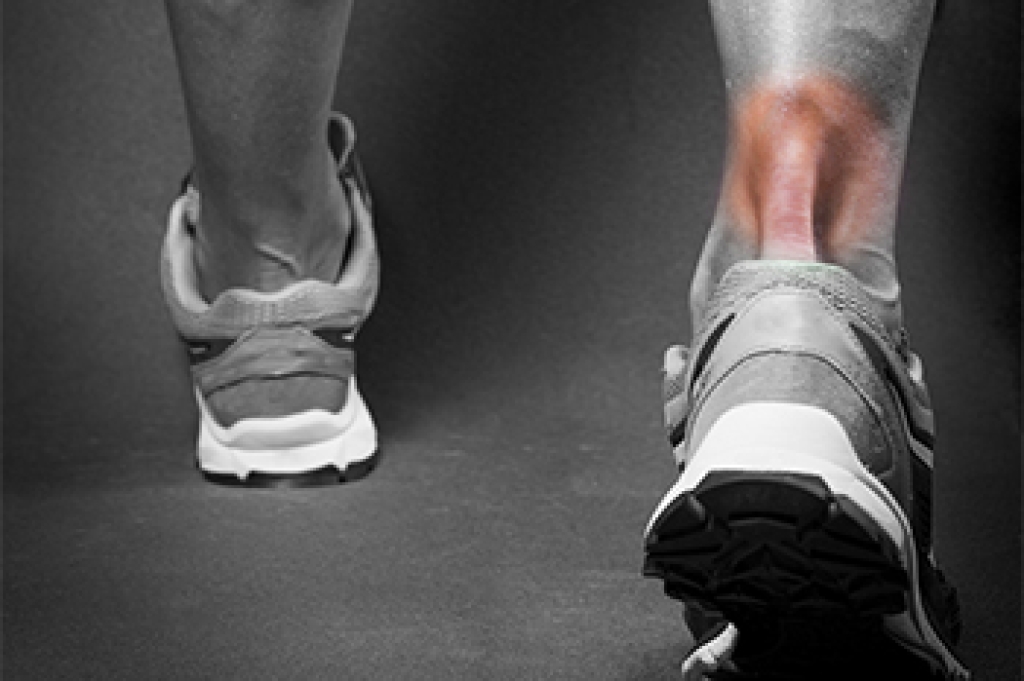
Achilles tendon injuries are becoming more prevalent, affecting young individuals with acute ruptures and older adults with chronic conditions. Acute ruptures are often related to high-energy sports in younger individuals and low-energy events in older patients. A missed diagnosis is not uncommon. Risk factors for Achilles tendon ruptures may include fluoroquinolone antibiotic use, rheumatoid arthritis, gout, and other medical conditions. Diagnosis involves a thorough physical examination, and sometimes an ultrasound, to confirm findings. Non-surgical management is increasingly favored for acute ruptures, with evidence showing good outcomes. This involves early immobilization and rehabilitation. Chronic conditions such as Achilles tendinopathy can benefit from early intervention and exercise. For more severe cases, surgery may be necessary. If you have injured your Achilles tendon, it is suggested that you make an appointment with a podiatrist who can provide you with a proper diagnosis and a tailored treatment plan.

Achilles tendon injuries need immediate attention to avoid future complications. If you have any concerns, contact Kenneth Donovan, DPM of Advanced Care Foot and Ankle. Our doctor can provide the care you need to keep you pain-free and on your feet.

What Is the Achilles Tendon?

The Achilles tendon is a tendon that connects the lower leg muscles and calf to the heel of the foot. It is the strongest tendon in the human body and is essential for making movement possible. Because this tendon is such an integral part of the body, any injuries to it can create immense difficulties and should immediately be presented to a doctor.

What Are the Symptoms of an Achilles Tendon Injury?

There are various types of injuries that can affect the Achilles tendon. The two most common injuries are Achilles tendinitis and ruptures of the tendon.

Achilles Tendinitis Symptoms

  • Inflammation
  • Dull to severe pain
  • Increased blood flow to the tendon
  • Thickening of the tendon

Rupture Symptoms

  • Extreme pain and swelling in the foot
  • Total immobility

Treatment and Prevention

Achilles tendon injuries are diagnosed by a thorough physical evaluation, which can include an MRI. Treatment involves rest, physical therapy, and in some cases, surgery. However, various preventative measures can be taken to avoid these injuries, such as:

  • Thorough stretching of the tendon before and after exercise
  • Strengthening exercises like calf raises, squats, leg curls, leg extensions, leg raises, lunges, and leg presses

If you have any questions please feel free to contact our office located in Charleston, SC . We offer the newest diagnostic tools and technology to treat your foot and ankle needs.

Read more about Achilles Tendon Injuries

Negative Pressure Foot Wound Therapy

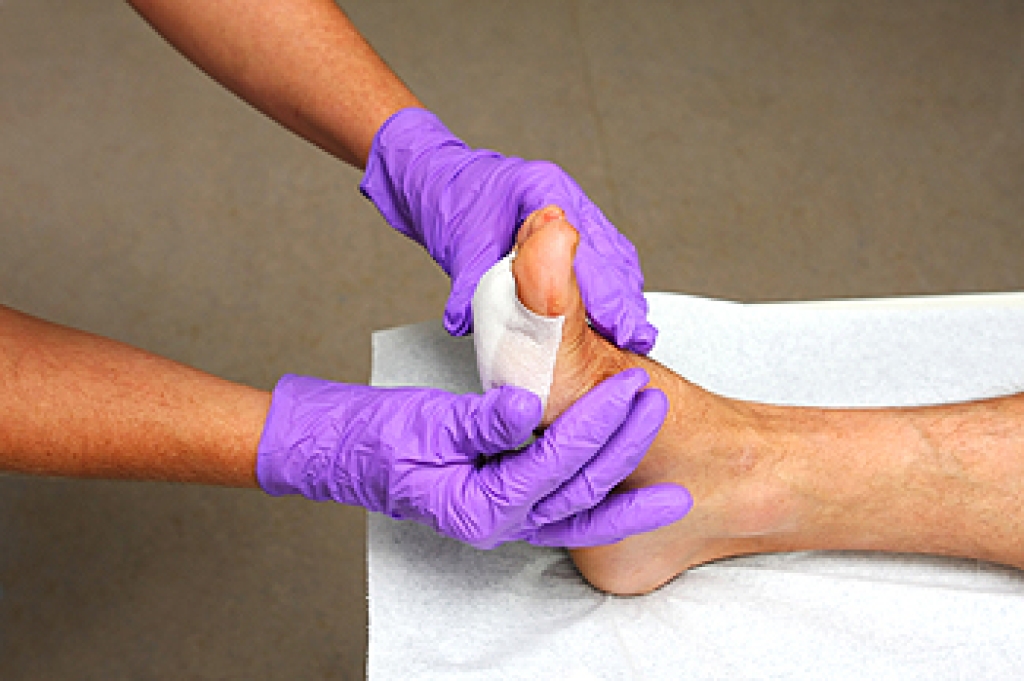
Negative Pressure Wound Therapy, or NPWT, is a versatile technique that aids wound healing by applying a kind of sub-atmospheric pressure. It is used for complex, non-healing wounds such as diabetic foot ulcers. Implementing NPWT involves placing a porous foam dressing on the wound and applying continuous or intermittent suction to create sub-atmospheric pressure. NPWT is suitable for wounds ranging from open fractures to surgical incisions. The skin's healing process involves acute and chronic phases, with NPWT optimizing these phases. Indications for NPWT include traumatic wounds, wounds that have separated, and skin grafts. Proper preparation and technique are crucial, and closed wounds may be managed outside the operating room, while open wounds require surgical preparation. Complications can include pain, bleeding, infection, foam retention, and loss of suction. Despite challenges, NPWT is a valuable tool in wound care. If you have foot wounds, it is suggested that you make an appointment with a podiatrist to speak about the possibility of this therapy being correct for you.

Wound care is an important part in dealing with diabetes. If you have diabetes and a foot wound or would like more information about wound care for diabetics, consult with Kenneth Donovan, DPM from Advanced Care Foot and Ankle. Our doctor will assess your condition and provide you with quality foot and ankle treatment.

What Is Wound Care?

Wound care is the practice of taking proper care of a wound. This can range from the smallest to the largest of wounds. While everyone can benefit from proper wound care, it is much more important for diabetics. Diabetics often suffer from poor blood circulation which causes wounds to heal much slower than they would in a non-diabetic. 

What Is the Importance of Wound Care?

While it may not seem apparent with small ulcers on the foot, for diabetics, any size ulcer can become infected. Diabetics often also suffer from neuropathy, or nerve loss. This means they might not even feel when they have an ulcer on their foot. If the wound becomes severely infected, amputation may be necessary. Therefore, it is of the upmost importance to properly care for any and all foot wounds.

How to Care for Wounds

The best way to care for foot wounds is to prevent them. For diabetics, this means daily inspections of the feet for any signs of abnormalities or ulcers. It is also recommended to see a podiatrist several times a year for a foot inspection. If you do have an ulcer, run the wound under water to clear dirt from the wound; then apply antibiotic ointment to the wound and cover with a bandage. Bandages should be changed daily and keeping pressure off the wound is smart. It is advised to see a podiatrist, who can keep an eye on it.

If you have any questions please contact our office located in Charleston, SC . We offer the newest diagnostic and treatment technologies for all your foot and ankle needs.

Read more about Wound Care

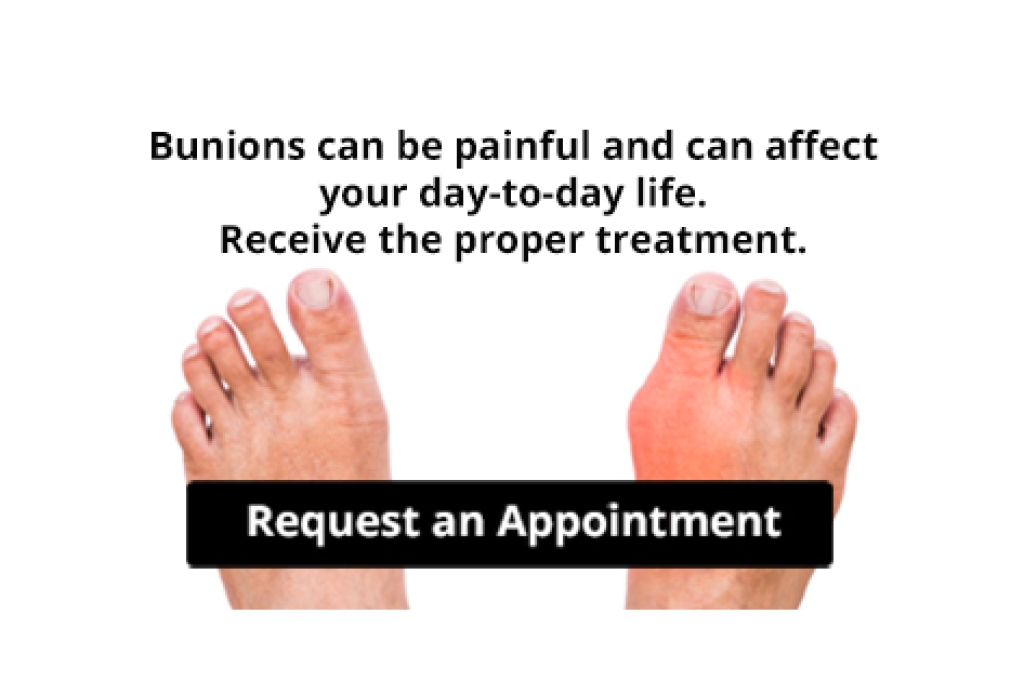
Are Bunions Affecting Your Everyday Life?

Have you noticed a bony protrusion on the side of your big toe? If so, you may have developed the foot condition known as a bunion. Don't let bunions interfere with your daily activities.

What Causes a Plantar Fibroma?

Plantar fibromas are a relatively uncommon, but often painful, condition that affects the feet. These benign growths, typically found in the arch of the foot, develop within the plantar fascia, the band of tissue that connects the heel bone to the toes. The exact cause of plantar fibromas is not well understood, but they are believed to be related to genetics and may develop due to overuse or trauma to the foot. The primary symptom of plantar fibromas is a noticeable lump or nodule in the arch of the foot. This lump is often painful and can make walking and standing uncomfortable. In some cases, it may restrict foot movement. Treatment options vary depending on the severity of symptoms. Conservative approaches include wearing orthotics or making shoe modifications that may help to alleviate pressure on the lump. In more severe cases, corticosteroid injections or surgical removal may be necessary to relieve pain and restore foot function. Early intervention can help to manage the condition effectively and improve overall foot health. If you suspect you have a plantar fibroma, it is suggested that you consult a podiatrist for a proper diagnosis and personalized treatment plan. 

A plantar fibroma may disrupt your daily activities. If you have any concerns, contact Kenneth Donovan, DPM of Advanced Care Foot and Ankle. Our doctor can provide the care you need to keep you pain-free and on your feet.

Plantar Fibroma

A plantar fibroma is a fibrous knot in the arch of the foot. It is embedded in the plantar fascia which is a band of tissue that extends from the heel to the toes along the bottom of the foot. There can be multiple plantar fibromas in the feet at the same time. There are no known causes for this condition. If you have a plantar fibroma, there will be a bump in the arch of your foot that cannot be missed. Any associated pain is most often due to a shoe rubbing against the nodule. Non-surgical options, such as steroid injections, physical therapy, and orthotics should be tried first. Surgery is a last resort and is the only thing that will remove a plantar fibroma entirely. Consult with a podiatrist for a proper diagnosis and to determine the treatment regimen that is right for you.

What Causes a Plantar Fibroma?

While there are no specific causes identified, a plantar fibroma can possibly come from genetic predisposition or the formation of scar tissue that forms from healing the tears in the plantar fascia.

What Are the Symptoms of a Plantar Fibroma?

There will be a noticeable lump in the arch of the foot that may or may not cause pain. If pain is felt, it is typically because a shoe is rubbing up against the lump or when walking or standing barefoot.

Treatment and Prevention

A plantar fibroma will not disappear without treatment, but it can get smaller and be a non-issue. If pain persists, a podiatrist examines the foot and when the arch of the foot is pressed, pain can be felt down to the toes. An MRI or biopsy might be performed to help diagnose or evaluate the plantar fibroma. The following non-surgical options are generally enough to reduce the size and pain of these nodules:

  • Steroid injections
  • Orthotics
  • Physical therapy to help apply anti-inflammatory creams on the bump 

Surgery is considered if the mass increases in size and the patient continues to feel pain after non-surgical methods are tried.

If you have any questions, please feel free to contact our office located in Charleston, SC . We offer the newest diagnostic and treatment technologies for all your foot care needs.
Read more about Plantar Fibroma

Weighing the Pros and Cons of Wearing Flip Flops

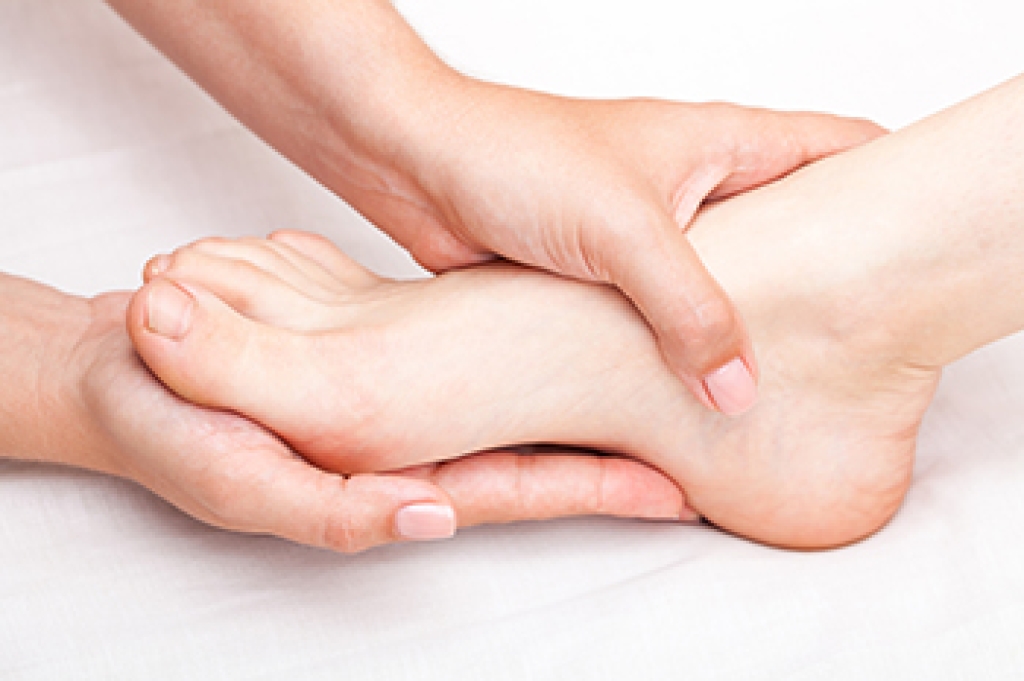
As temperatures rise, flip-flops emerge as the popular choice of footwear for casual comfort. Yet, their popularity sparks an ongoing debate regarding their merits and drawbacks. On the plus side, flip-flops are incredibly easy to slip on, making them perfect for quick outings or beach days. Their open design keeps feet cool, preventing sweat accumulation. However, this very feature can lead to issues. The lack of arch support and cushioning may result in foot pain or strain during extended wear. Flip flops provide minimal protection, possibly making feet vulnerable to injuries. Additionally, there is often a different walking gait, which can affect posture and stability. While flip flops offer undeniable convenience, it is crucial to balance their benefits with potential drawbacks, choosing them for appropriate situations while prioritizing foot health. If you would like to have more information about the pros and cons of wearing flip-flops, it is suggested that you speak with a podiatrist who can offer you valuable knowledge.

Flip-flops can cause a lot of problems for your feet. If you have any concerns about your feet or ankles, contact Kenneth Donovan, DPM from Advanced Care Foot and Ankle. Our doctor will assist you with all of your foot and ankle needs.

Flip-Flops and Feet

Flip-flops have managed to become a summer essential for a lot of people. While the shoes may be stylish and easy to slip on and off, they can be dangerous to those who wear them too often. These shoes might protect you from fungal infections such as athlete’s foot, but they can also give you foot pain and sprained ankles if you trip while wearing them.

When Are They Okay to Wear?

Flip-flops should only be worn for very short periods of time. They can help protect your feet in places that are crawling with fungi, such as gym locker rooms. Athlete’s foot and plantar warts are two common fungi that flip-flops may help protect your feet against.

Why Are They Bad for My Feet?

These shoes do not offer any arch support, so they are not ideal for everyday use. They also do not provide shock absorption or heel cushioning which can be problematic for your feet. Additionally, you may suffer from glass cuts, puncture wounds, and stubbed toes since they offer little protection for your feet.

More Reasons Why They Are Bad for Your Feet

  • They Slow You Down
  • May Cause Blisters and Calluses
  • Expose Your Feet to Bacteria

If you have any questions, please feel free to contact our office located in Charleston, SC . We offer the newest diagnostic and treatment technologies for all your foot care needs.
Read more about Flipping Out About Flip Flops

Is It Safe to Run During Pregnancy?

Staying active during pregnancy is vital, and running can be a great option for expectant mothers who were regular runners before conception. However, safety is paramount. It is beneficial to consult a medical professional before undertaking this type of exercise. In many cases, you can continue running if you experience good pre-pregnancy health and do not have complications. Secondly, it is helpful to choose proper footwear that supports your changing feet and opt for breathable, loose-fitting attire. Third, run with caution, especially as your balance changes, and run with a buddy. Avoid hazardous trails and prioritize pavement. It may be wise to refrain from running in particularly hot and humid conditions. Most importantly, slow down or stop if you feel pain, exhaustion, or an abnormal heart rate, and always consult a doctor if you experience dizziness, chest pain, contractions, or bleeding. Drink water regularly and monitor urine color. If you have questions about the wisdom of running during pregnancy, it is suggested that you consult a podiatrist for consultation and guidance. 

Pregnant women with swollen feet can be treated with a variety of different methods that are readily available. For more information about other cures for swollen feet during pregnancy, consult with Kenneth Donovan, DPM from Advanced Care Foot and Ankle. Our doctor will attend to all of your foot and ankle needs.

What Foot Problems Can Arise During Pregnancy?

One problem that can occur is overpronation, which occurs when the arch of the foot flattens and tends to roll inward.  This can cause pain and discomfort in your heels while you’re walking or even just standing up, trying to support your baby.  

Another problem is edema, or swelling in the extremities. This often affects the feet during pregnancy but tends to occur in the later stages. 

How Can I Keep My Feet Healthy During Pregnancy?

  • Wearing orthotics can provide extra support for the feet and help distribute weight evenly
  • Minimize the amount of time spent walking barefoot
  • Wear shoes with good arch support
  • Wear shoes that allow for good circulation to the feet
  • Elevate feet if you experience swelling
  • Massage your feet
  • Get regular, light exercise, such as walking, to promote blood circulation to the feet

If you have any questions, please feel free to contact our office located in Charleston, SC . We offer the newest diagnostic and treatment technologies for all your foot care needs.

Read more about Pregnancy and Foot Health

Ways to Prevent Blisters of the Feet

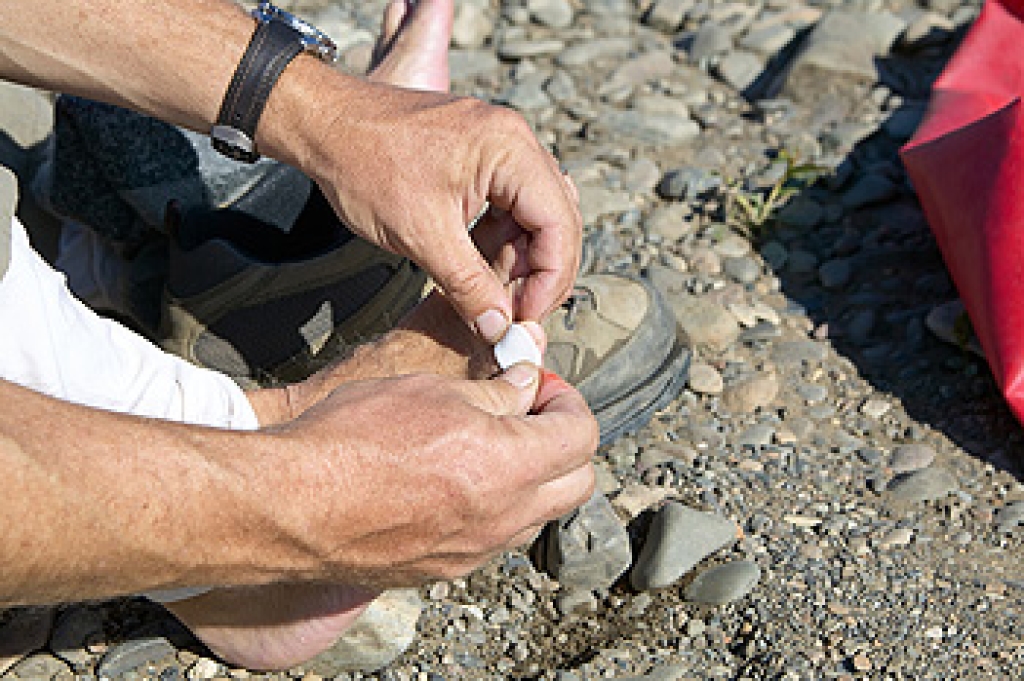
Foot blisters are fluid-filled sacs that develop under the skin due to excessive pressure or friction. Often painful and uncomfortable, foot blisters can appear as red, swollen areas that protrude from the skin's surface. When dealing with foot blisters, early intervention is crucial. Once a blister forms, clean the area with antiseptic lotion and apply antibiotic ointment. Cover the blister with a clean, nonadhesive bandage, and change it daily to prevent infection. Soothe pain and itching with a cold, wet washcloth over the blister. Preventing blisters requires proactive steps. Wear well-fitted footwear, as shoes that fit improperly can lead to friction. Test shoes before purchasing to ensure a snug fit. Keep your feet dry to prevent the buildup of moisture, and fully dry your feet before wearing socks. Apply tape or bandages on areas of the shoe prone to rubbing. While foot blisters aren't emergencies, their discomfort can limit mobility and open the door to infections. If initial treatments don't suffice or signs of infection arise, it is suggested that you make an appointment with a podiatrist for advanced treatment options.

Blisters may appear as a single bubble or in a cluster. They can cause a lot of pain and may be filled with pus, blood, or watery serum. If your feet are hurting, contact Kenneth Donovan, DPM of Advanced Care Foot and Ankle. Our doctor can provide the care you need to keep you pain-free and on your feet.

Foot Blisters

Foot blisters are often the result of friction. This happens due to the constant rubbing from shoes, which can lead to pain.

What Are Foot Blisters?

A foot blister is a small fluid-filled pocket that forms on the upper-most layer of the skin. Blisters are filled with clear fluid and can lead to blood drainage or pus if the area becomes infected.

Symptoms

(Blister symptoms may vary depending on what is causing them)

  • Bubble of skin filled with fluid
  • Redness
  • Moderate to severe pain
  • Itching

Prevention & Treatment

In order to prevent blisters, you should be sure to wear comfortable shoes with socks that cushion your feet and absorb sweat. Breaking a blister open may increase your chances of developing an infection. However, if your blister breaks, you should wash the area with soap and water immediately and then apply a bandage to the affected area. If your blisters cause severe pain it is important that you call your podiatrist right away.

If you have any questions, please feel free to contact our office located in Charleston, SC . We offer the newest diagnostic and treatment technologies for all your foot care needs.

Read more about Blisters

Gout Pain Can Be Managed

Gout is a painful, inflammatory form of arthritis. Those affected will typically feel an intense stiffness in the joints of their feet, particularly in the big toe. Schedule a visit to learn about how gout can be managed and treated.

Causes and Treatment of Plantar Fasciitis

Plantar fasciitis is the most common cause of heel pain. Its main symptom is inflammation of the plantar fascia, the tissue connecting the front of the foot to the heel. Plantar fasciitis affects approximately 2 million patients each year, with athletes and individuals between 40 to 60 years of age being the most susceptible. The heel pain can range from sharp to dull, often worsening after prolonged periods of standing or physical activity. Causes of plantar fasciitis include repetitive physical activity, foot arch issues, and increased body weight. If left untreated, heel pain can lead to difficulty in walking. Fortunately, plantar fasciitis can be treated with proper care. Stretching exercises can help to rehabilitate the plantar fascia, and wearing proper footwear with adequate arch support is crucial. In some cases, wearing a foot brace or night splint can help to reduce swelling and alleviate pain. A podiatrist may suggest steroid shots or injections, as well as other pain relief medication, and in extreme cases, surgery may be considered. For help with problems associated with plantar fasciitis, it is suggested that you make an appointment with a podiatrist for an exam and treatment options.

Plantar fasciitis can be very painful and inconvenient. If you are experiencing heel pain or symptoms of plantar fasciitis, contact Kenneth Donovan, DPM  from Advanced Care Foot and Ankle. Our doctor can provide the care you need to keep you pain-free and on your feet.

What Is Plantar Fasciitis?

Plantar fasciitis is the inflammation of the thick band of tissue that runs along the bottom of your foot, known as the plantar fascia, and causes mild to severe heel pain.

What Causes Plantar Fasciitis?

  • Excessive running
  • Non-supportive shoes
  • Overpronation
  • Repeated stretching and tearing of the plantar fascia

How Can It Be Treated?

  • Conservative measures – anti-inflammatories, ice packs, stretching exercises, physical therapy, orthotic devices
  • Shockwave therapy – sound waves are sent to the affected area to facilitate healing and are usually used for chronic cases of plantar fasciitis
  • Surgery – usually only used as a last resort when all else fails. The plantar fascia can be surgically detached from the heel

While very treatable, plantar fasciitis is definitely not something that should be ignored. Especially in severe cases, speaking to your doctor right away is highly recommended to avoid complications and severe heel pain. Your podiatrist can work with you to provide the appropriate treatment options tailored to your condition.

If you have any questions, please feel free to contact our office located in Charleston, SC . We offer the newest diagnostic and treatment technologies for all your foot care needs.
Read more about Plantar Fasciitis

Connect With Us