Choosing the Right Exercises to Ease Foot Pain

When dealing with foot pain, you may wonder whether stretching or strengthening will help you recover more quickly. The answer often depends on the cause of the discomfort. Tight muscles, ligaments, or tendons, such as the plantar fascia or calf muscles, may respond well to gentle stretching, which can relieve tension and improve flexibility. On the other hand, weak muscles in the foot or ankle may lead to poor support and alignment, making strengthening exercises more effective in building stability and preventing further injury. In some cases, a combination of both approaches brings the best results. Paying attention to the source of pain and how your body responds is key. If foot pain lingers or worsens with activity, it is suggested that you see a podiatrist for an evaluation and a treatment plan that may include targeted exercises for faster, lasting relief.

Why Stretching Is Important for Your Feet

Stretching the feet is a great way to prevent injuries. If you have any concerns with your feet consult with Kenneth Donovan, DPM from Advanced Care Foot and Ankle. Our doctor will assess your condition and provide you with quality foot and ankle treatment.

Stretching the Feet

Stretching the muscles in the foot is an important part in any physical activity. Feet that are tight can lead to less flexibility and make you more prone to injury. One of the most common forms of foot pain, plantar fasciitis, can be stretched out to help ease the pain. Stretching can not only ease pain from plantar fasciitis but also prevent it as well. However, it is important to see a podiatrist first to determine if stretching is right for you. Podiatrists can also recommend other ways to stretch your feet. Once you know whether stretching is right for you, here are some excellent stretches you can do.

  • Using a foam roller or any cylindrical object (a water bottle or soda can will do), roll the object under your foot back and forth. You should also exert pressure on the object. Be sure to do this to both feet for a minute. Do this exercise three times each.
  • Similar to the previous exercise, take a ball, such as a tennis ball, and roll it under your foot while seated and exert pressure on it.
  • Grab a resistance band or towel and take a seat. If you are using a towel, fold it length wise. Next put either one between the ball of your foot and heel and pull with both hands on each side towards you. Hold this for 15 seconds and then switch feet. Do this three times for each foot.
  • Finally hold your big toe while crossing one leg over the other. Pull the toe towards you and hold for 15 seconds. Once again do this three times per foot.

It is best to go easy when first stretching your foot and work your way up. If your foot starts hurting, stop exercising to ice and rest the foot. It is advised that you then see a podiatrist for help.

If you have any questions please contact our office located in Charleston, SC . We offer the newest diagnostic and treatment technologies for all your foot and ankle needs.

Read more about Stretching Your Feet

Are You Suffering From Ingrown Toenails?

If left untreated, an ingrown toenail can lead to more serious concerns, such as an infection. Knowing proper nail care can help in the prevention of an ingrown toenail. Give us a call, and get treated!

Swollen Feet During Pregnancy Is Common

Swollen feet are a common concern during pregnancy, usually caused by increased fluid retention and pressure on blood vessels from the growing uterus , which slows circulation. Hormonal changes can also affect blood flow and contribute to swelling. Risk factors include standing for long periods of time, hot weather, poor circulation, and excessive weight gain. Symptoms include puffiness in the feet and ankles, a heavy sensation, and discomfort when walking. While swelling is usually harmless, it can interfere with daily activities. A podiatrist can evaluate foot health, recommend supportive footwear, suggest gentle exercises, and offer treatment to improve circulation. If your feet have become swollen during your pregnancy, it is suggested that you consult a podiatrist who can offer you effective relief tips.

Swollen feet can be a sign of an underlying condition. If you have any concerns, contact Kenneth Donovan, DPM of Advanced Care Foot and Ankle. Our doctor can provide the care you need to keep you pain-free and on your feet.

Swollen feet are a common ailment among pregnant women and people who stand or sit for extended periods. Aging may increase the possibility of swollen feet and patients who are obese often notice when their feet are swelling too. There may be medical reasons why swollen feet occur:

  • Phlebitis - A condition that causes the veins to become inflamed and can also cause leg pain.
  • Liver disease - This may lead to low blood levels of albumin which is a protein. This can cause fluid in the blood to pass into the tissues and several areas of the body can become swollen.
  • Heart failure - When the heart doesn’t pump properly the blood that is normally pumped back to the heart can pool in the veins of the legs causing swollen feet.
  • Kidney disease - One of the main functions of the kidneys is releasing excess fluid in the body. This type of condition can make it difficult for the kidneys to function properly, and as a result the feet may become swollen.
  • Deep-vein thrombosis (DVT)- This is a serious condition where blood clots form in the veins of the legs. They can block the return of blood from the legs to the heart which may cause the feet to swell. It is important to be treated by a podiatrist if this condition is present.

Swollen feet can also be caused by bone and tendon conditions, including fractures, arthritis, and tendinitis. Additionally, there may be skin and toenail conditions and an infection may cause the feet to swell. Patients who take medicine to treat high blood pressure may be prone to getting swollen feet. 

Many patients elevate their feet to help relieve the swelling and this is generally a temporary remedy. When a podiatrist is consulted the reason behind the swelling can be uncovered and subsequently treated.

If you have any questions please contact our office located in Charleston, SC . We offer the newest diagnostic and treatment technologies for all your foot and ankle needs.
Read more about Swelling of the Feet

Plantar Fasciitis and Podiatry Care

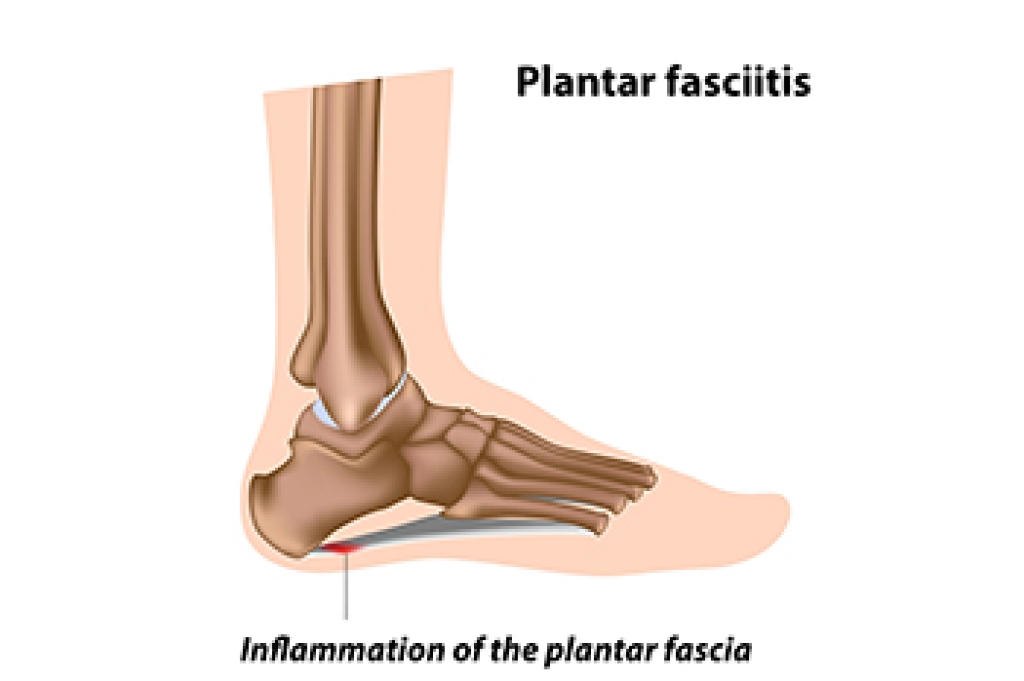
Plantar fasciitis is caused by inflammation of the plantar fascia, the thick band of tissue that runs along the bottom of the foot and supports the arch. This condition often leads to sharp heel pain, especially with the first steps in the morning or after long periods of rest. Risk factors include prolonged standing, flat feet, high arches, obesity, and wearing footwear that lacks proper support. Symptoms include aching, stiffness, or a burning sensation in the heel. If left untreated, the pain can become chronic and interfere with daily activities. A podiatrist can diagnose plantar fasciitis, provide targeted stretching exercises, and offer custom orthotics or treatments to relieve pain and promote healing. If you have heel pain, it is suggested that you consult a podiatrist who can accurately diagnose and treat the condition.

Plantar fasciitis is a common foot condition that is often caused by a strain injury. If you are experiencing heel pain or symptoms of plantar fasciitis, contact Kenneth Donovan, DPM from Advanced Care Foot and Ankle. Our doctor can provide the care you need to keep you pain-free and on your feet.

What Is Plantar Fasciitis?

Plantar fasciitis is one of the most common causes of heel pain. The plantar fascia is a ligament that connects your heel to the front of your foot. When this ligament becomes inflamed, plantar fasciitis is the result. If you have plantar fasciitis you will have a stabbing pain that usually occurs with your first steps in the morning. As the day progresses and you walk around more, this pain will start to disappear, but it will return after long periods of standing or sitting.

What Causes Plantar Fasciitis?

  • Excessive running
  • Having high arches in your feet
  • Other foot issues such as flat feet
  • Pregnancy (due to the sudden weight gain)
  • Being on your feet very often

There are some risk factors that may make you more likely to develop plantar fasciitis compared to others. The condition most commonly affects adults between the ages of 40 and 60. It also tends to affect people who are obese because the extra pounds result in extra stress being placed on the plantar fascia.

Prevention

  • Take good care of your feet – Wear shoes that have good arch support and heel cushioning.
  • Maintain a healthy weight
  • If you are a runner, alternate running with other sports that won’t cause heel pain

There are a variety of treatment options available for plantar fasciitis along with the pain that accompanies it. Additionally, physical therapy is a very important component in the treatment process. It is important that you meet with your podiatrist to determine which treatment option is best for you.

If you have any questions, please feel free to contact our office located in Charleston, SC . We offer the newest diagnostic and treatment technologies for all your foot care needs.


Read more about Plantar Fasciitis

Possible Causes of Foot Pain

Foot pain can come from a number of problems, and not all of them start in the foot. In some cases, pressure on nerves in the lower back can cause pain that travels down into the feet. More often, foot pain is caused by stress, overuse, or pressure in the wrong areas. Pain in the heel may occur when the thick band of tissue that supports the arch becomes irritated. Tendons, which connect muscles to bones, can also become sore from repeated movement. Sprains and strains are common in people who are active or play sports and can affect the muscles, joints, or ligaments in the foot or ankle. Conditions like arthritis may cause pain and swelling in the joints. Tight or unsupportive shoes may also lead to pain by putting pressure on the toes or heels. A podiatrist can examine your foot, order tests if needed, and suggest medical treatment or surgery, if needed. If you experience foot pain, it is suggested that you schedule an appointment with a podiatrist for a diagnosis and appropriate treatment.

Foot Pain

Foot pain can be extremely painful and debilitating. If you have a foot pain, consult with Kenneth Donovan, DPM from Advanced Care Foot and Ankle. Our doctor will assess your condition and provide you with quality foot and ankle treatment.

Causes

Foot pain is a very broad condition that could be caused by one or more ailments. The most common include:

  • Bunions
  • Hammertoes
  • Plantar Fasciitis
  • Bone Spurs
  • Corns
  • Tarsal Tunnel Syndrome
  • Ingrown Toenails
  • Arthritis (such as Gout, Rheumatoid, and Osteoarthritis)
  • Flat Feet
  • Injury (from stress fractures, broken toe, foot, ankle, Achilles tendon ruptures, and sprains)
  • And more

Diagnosis

To figure out the cause of foot pain, podiatrists utilize several different methods. This can range from simple visual inspections and sensation tests to X-rays and MRI scans. Prior medical history, family medical history, and any recent physical traumatic events will all be taken into consideration for a proper diagnosis.

Treatment

Treatment depends upon the cause of the foot pain. Whether it is resting, staying off the foot, or having surgery; podiatrists have a number of treatment options available for foot pain.

If you have any questions, please feel free to contact our office located in Charleston, SC . We offer the newest diagnostic and treatment technologies for all your foot care needs.

Read more about Foot Pain

When a Cut on the Foot Should Be Left Open

Not every foot cut needs to be covered all the time. In some cases, letting a minor wound breathe can help it to heal faster. Small, clean cuts without signs of infection may benefit from short periods of air exposure, which can dry the surface and support natural healing. However, this only applies when the area is protected from dirt, pressure, and further injury. Cuts in moist areas or places that rub against shoes should usually stay covered to avoid irritation. If a wound is deep, bleeding heavily or shows redness, swelling, or drainage, it should be kept clean, protected, and watched closely. People with diabetes or poor circulation should always cover foot cuts to reduce the risk of infection. If a cut on your foot does not heal or becomes painful, it is suggested you see a podiatrist for appropriate treatment.

Wound care is an important part in dealing with diabetes. If you have diabetes and a foot wound or would like more information about wound care for diabetics, consult with Kenneth Donovan, DPM from Advanced Care Foot and Ankle. Our doctor will assess your condition and provide you with quality foot and ankle treatment.

What Is Wound Care?

Wound care is the practice of taking proper care of a wound. This can range from the smallest to the largest of wounds. While everyone can benefit from proper wound care, it is much more important for diabetics. Diabetics often suffer from poor blood circulation which causes wounds to heal much slower than they would in a non-diabetic. 

What Is the Importance of Wound Care?

While it may not seem apparent with small ulcers on the foot, for diabetics, any size ulcer can become infected. Diabetics often also suffer from neuropathy, or nerve loss. This means they might not even feel when they have an ulcer on their foot. If the wound becomes severely infected, amputation may be necessary. Therefore, it is of the upmost importance to properly care for any and all foot wounds.

How to Care for Wounds

The best way to care for foot wounds is to prevent them. For diabetics, this means daily inspections of the feet for any signs of abnormalities or ulcers. It is also recommended to see a podiatrist several times a year for a foot inspection. If you do have an ulcer, run the wound under water to clear dirt from the wound; then apply antibiotic ointment to the wound and cover with a bandage. Bandages should be changed daily and keeping pressure off the wound is smart. It is advised to see a podiatrist, who can keep an eye on it.

If you have any questions please contact our office located in Charleston, SC . We offer the newest diagnostic and treatment technologies for all your foot and ankle needs.

Read more about Wound Care

Let the Expert Treat Your Ingrown Toenails

Ingrown toenails can be painful and can make wearing shoes or walking uncomfortable. Seek professional help if you believe you've developed an ingrown toenail and be treated safely. 

Pros and Cons of Bunion Surgery

When bunions cause significant pain or disrupt everyday activities, surgery may be recommended after other treatment options have been attempted. A podiatrist can evaluate the severity of the bunion and explain whether surgery is warranted. Bunion surgery can offer pain relief, improved alignment, and better stability, but it also involves potential risks. Some surgical options involve removing bone, reshaping the joint, or fusing bones to limit movement and prevent the bunion from returning. Results can depend heavily on the severity of the bunion, the specific procedure used, and how well the foot heals. Risks include infection, nerve damage, joint stiffness, and the possibility that the bunion could recur. Some patients may also experience reduced toe flexibility or have problems wearing certain types of shoes following surgery. If bunions are interfering with your daily activities, it is suggested that you schedule an appointment with a podiatrist to find out if surgery is an option for you.

Foot surgery is sometimes necessary to treat a foot ailment. To learn more, contact Kenneth Donovan, DPM of Advanced Care Foot and Ankle. Our doctor will assist you with all of your foot and ankle needs.

When Is Surgery Necessary?

Foot and ankle surgery is generally reserved for cases in which less invasive, conservative procedures have failed to alleviate the problem. Some of the cases in which surgery may be necessary include:

  • Removing foot deformities like bunions and bone spurs
  • Severe arthritis that has caused bone issues
  • Cosmetic reconstruction

What Types of Surgery Are There?

The type of surgery you receive will depend on the nature of the problem you have. Some of the possible surgeries include:

  • Bunionectomy for painful bunions
  • Surgical fusion for realignment of bones
  • Neuropathy decompression surgery to treat nerve damage

Benefits of Surgery

Although surgery is usually a last resort, it can provide more complete pain relief compared to non-surgical methods and may allow you to finally resume full activity.

Surgical techniques have also become increasingly sophisticated. Techniques like endoscopic surgery allow for smaller incisions and faster recovery times.

If you have any questions, please feel free to contact our office located in Charleston, SC . We offer the newest diagnostic and treatment technologies for all your foot care needs.

Read more about Foot and Ankle Surgery

Health Conditions in the Elderly That Can Lead to Falls

Falls are a leading concern for elderly individuals and are often linked to underlying health conditions that affect balance and stability. Poor vision from conditions like cataracts or macular degeneration can make it difficult to navigate safely, increasing the risk of tripping or misjudging steps. Diabetes can contribute to falls through nerve damage in the feet, known as peripheral neuropathy, which reduces sensation and affects coordination. Cardiovascular conditions, including irregular heart rhythms or low blood pressure, can cause dizziness or fainting episodes that lead to sudden falls. Other factors such as muscle weakness, joint pain, or medication side effects may also play a role. Falling can seriously impact the feet, possibly causing difficulty in maintaining independence. If you have injured your feet or ankles from falling or want your fall risk assessed, it is suggested that you consult a podiatrist.

Preventing falls among the elderly is very important. If you are older and have fallen or fear that you are prone to falling, consult with Kenneth Donovan, DPM from Advanced Care Foot and Ankle. Our doctor will assess your condition and provide you with quality advice and care.

Every 11 seconds, an elderly American is being treated in an emergency room for a fall related injury. Falls are the leading cause of head and hip injuries for those 65 and older. Due to decreases in strength, balance, senses, and lack of awareness, elderly persons are very susceptible to falling. Thankfully, there are a number of things older persons can do to prevent falls.

How to Prevent Falls

Some effective methods that older persons can do to prevent falls include:

  • Enrolling in strength and balance exercise program to increase balance and strength
  • Periodically having your sight and hearing checked
  • Discuss any medications you have with a doctor to see if it increases the risk of falling
  • Clearing the house of falling hazards and installing devices like grab bars and railings
  • Utilizing a walker or cane
  • Wearing shoes that provide good support and cushioning
  • Talking to family members about falling and increasing awareness

Falling can be a traumatic and embarrassing experience for elderly persons; this can make them less willing to leave the house, and less willing to talk to someone about their fears of falling. Doing such things, however, will increase the likelihood of tripping or losing one’s balance. Knowing the causes of falling and how to prevent them is the best way to mitigate the risk of serious injury.  

If you have any questions, please feel free to contact our office located in Charleston, SC . We offer the newest diagnostic and treatment technologies for all your foot care needs.

Read more about Falls Prevention

Causes of a Broken Foot

A broken foot refers to a fracture in one or more of the bones in the foot, which may result from trauma, overuse, or sudden stress. Common causes include falls, car accidents, sports injuries, or dropping heavy objects on the foot. Stress fractures may develop gradually from repetitive activity, especially in athletes or individuals with high-impact routines. A broken foot typically causes pain, swelling, bruising, and difficulty bearing weight. Diagnosis begins with a physical examination, during which a podiatrist assesses the area for tenderness, deformity, or limited motion. X-rays and other imaging tests are used to confirm the presence and extent of the fracture. In some cases, advanced imaging like a CT or MRI scan may be required. If you have reason to believe you have fractured your foot, it is suggested that you promptly consult a podiatrist who can provide treatment.

A broken foot requires immediate medical attention and treatment. If you need your feet checked, contact Kenneth Donovan, DPM from Advanced Care Foot and Ankle. Our doctor can provide the care you need to keep you pain-free and on your feet.

Broken Foot Causes, Symptoms, and Treatment

A broken foot is caused by one of the bones in the foot typically breaking when bended, crushed, or stretched beyond its natural capabilities. Usually the location of the fracture indicates how the break occurred, whether it was through an object, fall, or any other type of injury. 

Common Symptoms of Broken Feet:

  • Bruising
  • Pain
  • Redness
  • Swelling
  • Blue in color
  • Numbness
  • Cold
  • Misshapen
  • Cuts
  • Deformities

Those that suspect they have a broken foot shoot seek urgent medical attention where a medical professional could diagnose the severity.

Treatment for broken bones varies depending on the cause, severity and location. Some will require the use of splints, casts or crutches while others could even involve surgery to repair the broken bones. Personal care includes the use of ice and keeping the foot stabilized and elevated.

If you have any questions, please feel free to contact our office located in Charleston, SC . We offer the newest diagnostic and treatment technologies for all your foot care needs.

Read more about Causes, Symptoms, and Treatment for a Broken Foot

Connect With Us