Causes of an Achilles Heel Spur

An Achilles heel spur is a bony growth that develops on the heel bone, typically where the Achilles tendon attaches. It is often the result of repeated stress or strain on the tendon, leading to the formation of extra bone in the area. Common causes include overuse, wearing poor footwear, or activities that put excessive pressure on the heel like running and jumping. Individuals with tight calf muscles or an abnormal gait may also be at higher risk. Symptoms of an Achilles heel spur are pain and tenderness at the back of the heel, particularly when walking, running, or standing for long periods. In some cases, swelling and a visible bump may appear on the heel. If you have developed this type of heel spur, it is suggested that you consult a podiatrist who can accurately diagnose and treat various types of heel spurs.

Heel spurs can be incredibly painful and sometimes may make you unable to participate in physical activities. To get medical care for your heel spurs, contact Kenneth Donovan, DPM from Advanced Care Foot and Ankle. Our doctor will do everything possible to treat your condition.

Heels Spurs

Heel spurs are formed by calcium deposits on the back of the foot where the heel is. This can also be caused by small fragments of bone breaking off one section of the foot, attaching onto the back of the foot. Heel spurs can also be bone growth on the back of the foot and may grow in the direction of the arch of the foot.

Older individuals usually suffer from heel spurs and pain sometimes intensifies with age. One of the main condition's spurs are related to is plantar fasciitis.

Pain

The pain associated with spurs is often because of weight placed on the feet. When someone is walking, their entire weight is concentrated on the feet. Bone spurs then have the tendency to affect other bones and tissues around the foot. As the pain continues, the feet will become tender and sensitive over time.

Treatments

There are many ways to treat heel spurs. If one is suffering from heel spurs in conjunction with pain, there are several methods for healing. Medication, surgery, and herbal care are some options.

If you have any questions, please feel free to contact our office located in Charleston, SC . We offer the newest diagnostic and treatment technologies for all your foot care needs.

Read more about Heel Spurs

Types of Ankle Sprains

Ankle sprains occur when the ligaments surrounding the ankle are stretched or torn. The two primary types of ankle sprains are inversion and eversion sprains. An inversion sprain happens when the foot turns inward, causing damage to the ligaments on the outside of the ankle. This is the most common type of ankle sprain. An eversion sprain occurs when the foot turns outward, injuring the ligaments on the inside of the ankle. Symptoms of both types include pain, swelling, bruising, and difficulty walking. Inversion sprains are often caused by rolling the ankle during sports or physical activity, while eversion sprains can result from a misstep or uneven surface. If you have sprained your ankle, it is suggested that you promptly consult a podiatrist who can offer you effective relief and treatment solutions.

Although ankle sprains are common, they aren’t always minor injuries. If you need your ankle injury looked at, contact Kenneth Donovan, DPM from Advanced Care Foot and Ankle. Our doctor can provide the care you need to keep you pain-free and on your feet.

How Does an Ankle Sprain Occur?

Ankle sprains are the result of a tear in the ligaments within the ankle. These injuries may happen when you make a rapid shifting movement while your foot is planted. A less common way to sprain your ankle is when your ankle rolls inward while your foot turns outward.

What Are the Symptoms?

  • Pain at the sight of the tear
  • Bruising/Swelling
  • Ankle area is tender to touch
  • In severe cases, may hear/feel something tear
  • Skin discoloration

Preventing a Sprain

  • Wearing appropriate shoes for the occasion
  • Stretching before exercises and sports
  • Knowing your limits

Treatment of a Sprain

In many cases, the RICE method (Rest, Ice, Compression, and Elevate) is used to treat ankle sprains. However, you should see a podiatrist to see which treatment option would work best with your injury. In severe cases, surgery may be required.

It is important to ask your doctor about rehab options after you receive treatment for your injury. Stretching, strength training, and balance exercises may help the ankle heal while also preventing further injury.

If you have any questions, please feel free to contact our office located in Charleston, SC . We offer the newest diagnostic and treatment technologies for all your foot care needs.
Read more about Ankle Sprains

Common Foot Injuries From Treadmill Use

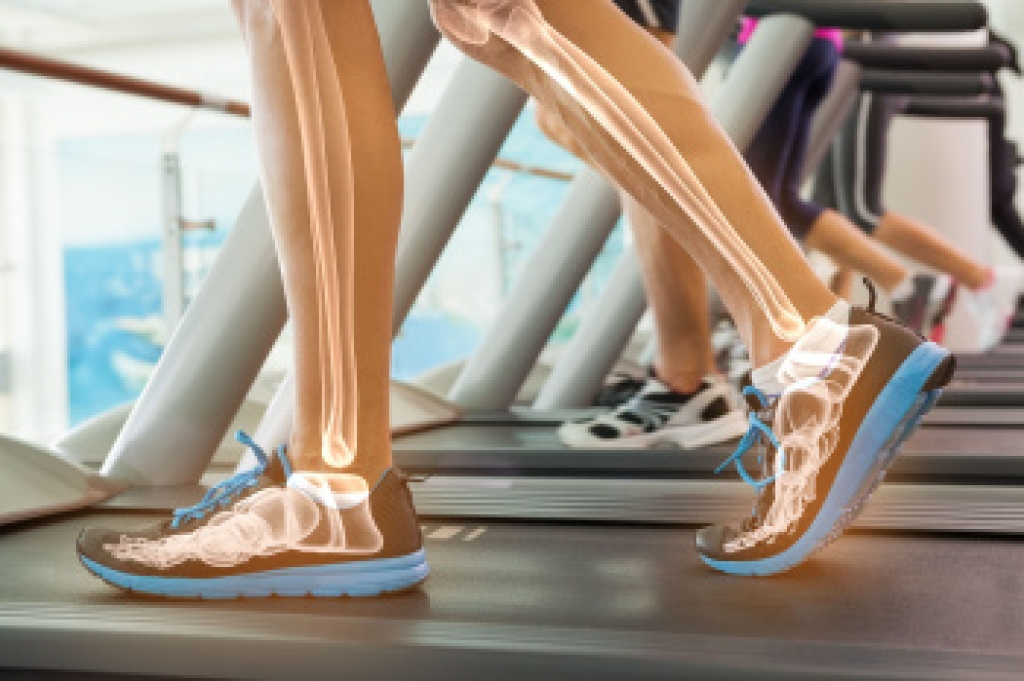
Treadmills provide an excellent way to stay fit, but improper use or overuse can lead to various foot injuries. One common issue is plantar fasciitis, a condition that causes pain in the heel and bottom of the foot due to inflammation of the plantar fascia. Another frequent injury is stress fractures, which occur from repetitive impact on hard surfaces, often from running or walking too aggressively on the treadmill. Achilles tendonitis is also common, as the tendon at the back of the heel can become irritated and inflamed from excessive use. Additionally, blisters may form from friction, especially if shoes are not properly fitted. To reduce the risk of these injuries, it is important to wear supportive footwear, warm up properly, and gradually increase exercise intensity. If you have sustained a foot or ankle injury from the treadmill, it is suggested that you consult a podiatrist who can treat various foot issues, and guide you on prevention tips.

Ankle and foot injuries are common among athletes and in many sports. They can be caused by several problems and may be potentially serious. If you are feeling pain or think you were injured in a sporting event or when exercising, consult with Kenneth Donovan, DPM from Advanced Care Foot and Ankle. Our doctor will assess your condition and provide you with quality foot and ankle treatment.

Common Injuries

The most common injuries that occur in sporting activities include:

  • Achilles Tendonitis
  • Achilles Tendon Rupture
  • Ankle Sprains
  • Broken Foot
  • Plantar Fasciitis
  • Stress Fractures
  • Turf Toe

Symptoms

Symptoms vary depending upon the injury and in some cases, there may be no symptoms at all. However, in most cases, some form of symptom is experienced. Pain, aching, burning, bruising, tenderness, tightness or stiffness, sensation loss, difficulty moving, and swelling are the most common symptoms.

Treatment

Just as symptoms vary depending upon the injury, so do treatment options. A common treatment method is known as the RICE method. This method involves rest, applying ice, compression and elevating the afflicted foot or ankle. If the injury appears to be more serious, surgery might be required, such as arthroscopic or reconstructive surgery. Lastly, rehabilitation or therapy might be needed to gain full functionality in the afflicted area. Any discomfort experienced by an athlete must be evaluated by a licensed, reputable medical professional.  

If you have any questions please contact our office located in Charleston, SC . We offer the newest diagnostic and treatment technologies for all your foot and ankle needs.

Read more about Sports Related Foot and Ankle Injuries

Do You Suffer From Painful Feet?

Painful deformities, such as hammertoes, can be treated. Stop living with foot pain, and have beautiful feet again!

Achilles Tendon Pain at the Heel

Achilles tendon heel pain, medically known as Achilles tendon enthesopathy, occurs where the Achilles tendon attaches to the back of the heel bone. Patients with this condition often feel pain at the back of the heel, especially during walking or ankle movement. The condition is caused by repetitive strain on the Achilles tendon, which can result from a sedentary lifestyle, being overweight, or overuse from athletic activities. Risk factors may also include age, certain medications, or underlying arthritis. Diagnosis typically involves a podiatrist performing a physical examination to check for tenderness and flexibility of the ankle. Effective treatments include reducing strain on the tendon, such as using heel lifts, creating a personalized stretching regimen, and addressing any biomechanical issues. A podiatrist may also recommend supportive footwear or other therapeutic techniques to improve healing and alleviate discomfort. If you have heel pain caused by an Achilles tendon injury it is suggested that you schedule an appointment with a podiatrist for treatment.

Achilles tendon injuries need immediate attention to avoid future complications. If you have any concerns, contact Kenneth Donovan, DPM of Advanced Care Foot and Ankle. Our doctor can provide the care you need to keep you pain-free and on your feet.

What Is the Achilles Tendon?

The Achilles tendon is a tendon that connects the lower leg muscles and calf to the heel of the foot. It is the strongest tendon in the human body and is essential for making movement possible. Because this tendon is such an integral part of the body, any injuries to it can create immense difficulties and should immediately be presented to a doctor.

What Are the Symptoms of an Achilles Tendon Injury?

There are various types of injuries that can affect the Achilles tendon. The two most common injuries are Achilles tendinitis and ruptures of the tendon.

Achilles Tendinitis Symptoms

  • Inflammation
  • Dull to severe pain
  • Increased blood flow to the tendon
  • Thickening of the tendon

Rupture Symptoms

  • Extreme pain and swelling in the foot
  • Total immobility

Treatment and Prevention

Achilles tendon injuries are diagnosed by a thorough physical evaluation, which can include an MRI. Treatment involves rest, physical therapy, and in some cases, surgery. However, various preventative measures can be taken to avoid these injuries, such as:

  • Thorough stretching of the tendon before and after exercise
  • Strengthening exercises like calf raises, squats, leg curls, leg extensions, leg raises, lunges, and leg presses

If you have any questions please feel free to contact our office located in Charleston, SC . We offer the newest diagnostic tools and technology to treat your foot and ankle needs.

Read more about What are Achilles Tendon Injuries

Proper Footwear for Restaurant Workers

For restaurant workers, wearing the right footwear is essential for both comfort and safety. Long hours spent on hard, slippery floors can put significant strain on the feet, legs, and lower back. Proper footwear helps to cushion the feet, reduce fatigue, and prevent injuries such as sprains, strains, and blisters. Shoes with good arch support, non-slip soles, and a proper fit can improve posture and alignment, reducing the risk of developing chronic pain or foot conditions. Additionally, slip-resistant shoes help prevent accidents in environments where spills and wet floors are common. Over time, wearing inadequate footwear can lead to more serious problems such as plantar fasciitis, bunions, or even stress fractures. If you have sustained a foot or ankle injury during your workday, it is suggested that you consult a podiatrist who can treat various foot conditions, and guide you on appropriate footwear choices.

While working on the feet, it is important to take the proper care of them. For more information about working on your feet, contact Kenneth Donovan, DPM from Advanced Care Foot and Ankle. Our doctor will treat your foot and ankle needs.

Working on Your Feet

Standing on your feet for long periods of time can cause stress and pain in your feet. Your whole body may experience change in terms of posture, back pain, bunions, callouses and or plantar warts. There are ways to avoid these conditions with proper foot care, smart choices and correct posture.

Positive Changes

Negative heeled shoe – Choosing this shoe type places the heel slightly lower than the ball of the foot. These are great for overall foot health. Find shoes that fit you correctly.

Go barefoot – Our feet were not designed to be enclosed for all hours of the day. Try to periodically expose your feet to air.

Eliminate Pain

Foot Exercises – Performing simple exercises, incorporating yoga and doing stretches are beneficial. This will allow increased blood flow to the area and muscles of the foot.

Achilles tendon – Stretching the foot out flat on the floor will relax the calf muscles and tendon. These exercises can be performed almost anywhere. Make sure you add these exercises to your daily regimen. 

With a little bit of this information and knowing more about foot health, you will notice changes. Foot stretches and proper footwear will help with pain and prevent further issues.

If you have any questions please contact our office located in Charleston, SC . We offer the newest diagnostic and treatment technologies for all your foot and ankle needs.

Read more about How to Handle a Long Work Day on Your Feet

Managing Ingrown Toenails

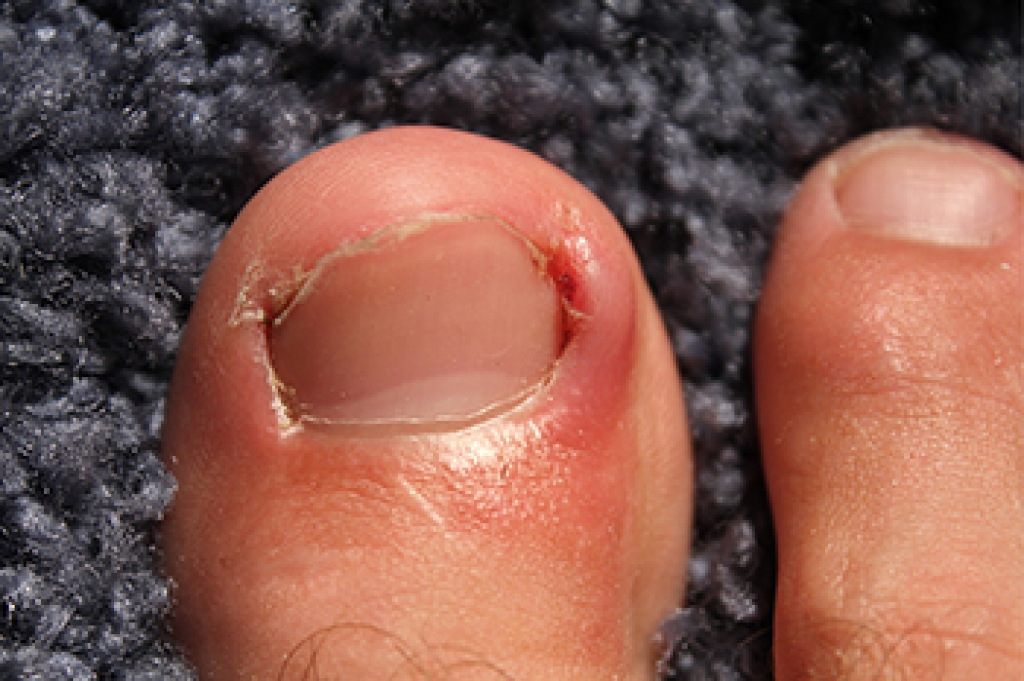
An ingrown toenail occurs when the edge of the nail grows into the surrounding skin, causing pain, swelling, and sometimes infection. This condition often affects the big toe and can lead to discomfort, or even difficulty walking. Common symptoms include redness, tenderness, and drainage if the area becomes infected. Older adults are more likely to develop ingrown toenails due to changes in nail growth, reduced circulation, or difficulty trimming nails properly. Additionally, conditions like arthritis or poor mobility can make it harder to manage foot care. Treatment for ingrown toenails often involves soaking the foot, wearing loose shoes, and gently lifting the nail to relieve pressure. In more severe cases, a podiatrist may need to trim or remove part of the nail and, if needed, prescribe antibiotics for infection. If you have an ingrown toenail, especially as you age, it is suggested that you schedule an appointment with a podiatrist for proper care and relief.

Ingrown toenails may initially present themselves as a minor discomfort, but they may progress into an infection in the skin without proper treatment. For more information about ingrown toenails, contact Kenneth Donovan, DPM of Advanced Care Foot and Ankle. Our doctor can provide the care you need to keep you pain-free and on your feet.

Ingrown Toenails

Ingrown toenails are caused when the corner or side of a toenail grows into the soft flesh surrounding it. They often result in redness, swelling, pain, and in some cases, infection. This condition typically affects the big toe and may recur if it is not treated properly.

Causes

  • Improper toenail trimming
  • Genetics
  • Improper shoe fitting
  • Injury from pedicures or nail picking
  • Abnormal gait
  • Poor hygiene

You are more likely to develop an ingrown toenail if you are obese, have diabetes, arthritis, or have any fungal infection in your nails. Additionally, people who have foot or toe deformities are at a higher risk of developing an ingrown toenail.

Symptoms

Some symptoms of ingrown toenails are redness, swelling, and pain. In rare cases, there may be a yellowish drainage coming from the nail.

Treatment

Ignoring an ingrown toenail can have serious complications. Infections of the nail border can progress to a deeper soft-tissue infection, which can then turn into a bone infection. You should always speak with your podiatrist if you suspect you have an ingrown toenail, especially if you have diabetes or poor circulation.

If you have any questions, please feel free to contact our office located in Charleston, SC . We offer the newest diagnostic and treatment technologies for all your foot care needs.

Read more about Ingrown Toenails

Dealing With Toenail Fungus

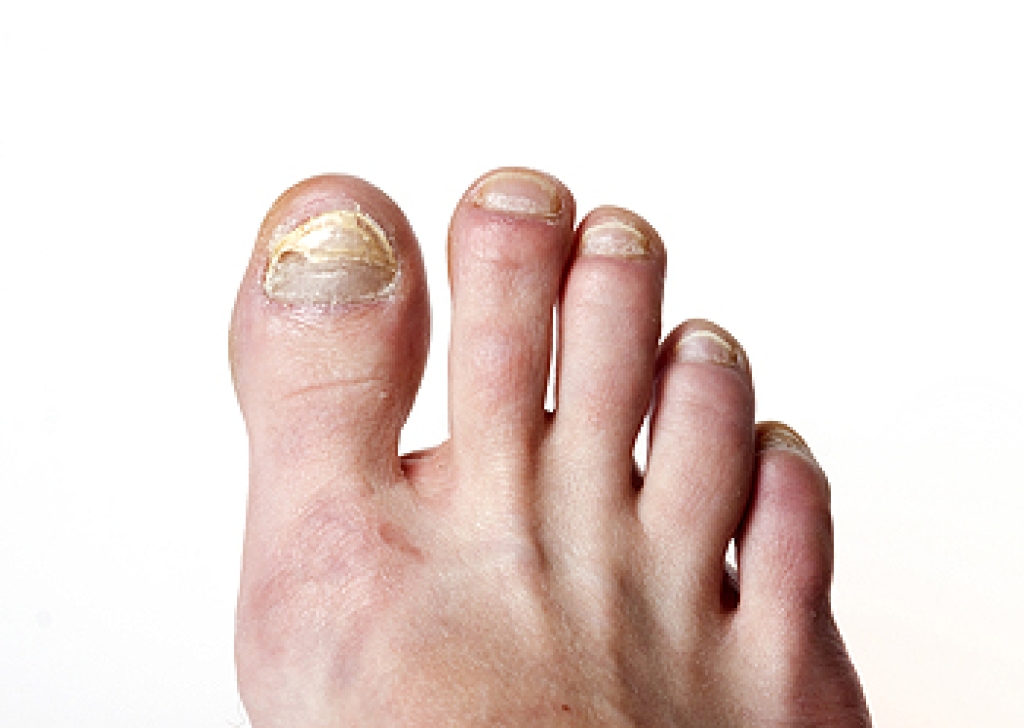
Toenail fungus, or onychomycosis, is caused by fungi that invade the nail bed, leading to discoloration, thickening, and even crumbling of the nail. Factors contributing to this infection include warm, moist environments, improper foot hygiene, and underlying health issues like diabetes or a weakened immune system. Symptoms often include yellow or brown discoloration, a foul odor, and discomfort in severe cases. Treatment options range from topical antifungal medications to oral prescriptions and, in persistent cases, laser therapy or nail removal. A podiatrist specializes in foot health and can accurately diagnose toenail fungus, recommend effective treatments, and provide advice on preventing future infections. If you suspect you have toenail fungus, consider scheduling an appointment with a podiatrist. Early intervention can help restore your nail health and prevent complications, allowing you to enjoy healthy, beautiful feet again.

If left untreated, toenail fungus may spread to other toenails, skin, or even fingernails. If you suspect you have toenail fungus it is important to seek treatment right away. For more information about treatment, contact Kenneth Donovan, DPM of Advanced Care Foot and Ankle. Our doctor can provide the care you need to keep you pain-free and on your feet.

Symptoms

  • Warped or oddly shaped nails
  • Yellowish nails
  • Loose/separated nail
  • Buildup of bits and pieces of nail fragments under the nail
  • Brittle, broken, thickened nail

Treatment

If self-care strategies and over-the-counter medications does not help your fungus, your podiatrist may give you a prescription drug instead. Even if you find relief from your toenail fungus symptoms, you may experience a repeat infection in the future.

Prevention

In order to prevent getting toenail fungus in the future, you should always make sure to wash your feet with soap and water. After washing, it is important to dry your feet thoroughly especially in between the toes. When trimming your toenails, be sure to trim straight across instead of in a rounded shape. It is crucial not to cover up discolored nails with nail polish because that will prevent your nail from being able to “breathe”.

In some cases, surgical procedure may be needed to remove the toenail fungus. Consult with your podiatrist about the best treatment options for your case of toenail fungus.  

If you have any questions please contact our office located in Charleston, SC . We offer the newest diagnostic and treatment technologies for all your foot and ankle needs.

Read more about Treating Toenail Fungus

Are You Suffering From Nerve Damage?

Neuropathy is a condition that can lead to numbness or loss of sensation in the feet, but it can also cause pain. This condition is more likely to develop for those who are diabetic, obese, or with high blood pressure.

Proactive Strategies to Prevent Running Injuries

Preventing running injuries is vital for maintaining a consistent training routine and enhancing overall performance. One of the most effective strategies is wearing the right running shoes, which should be tailored to your foot type and running style. Proper footwear provides essential support, cushioning, and stability, reducing the risk of injuries such as stress fractures and tendonitis. Additionally, incorporating a gradual training plan is essential, and avoiding sudden increases in distance or intensity will allow your body to adapt. Regular stretching and strength training can improve flexibility and strengthen muscles, further protecting against injury. Listening to your body and taking rest days when needed is equally important for recovery. If you have injured your foot or ankle while running, it is suggested that you contact a podiatrist who can provide the appropriate treatment solutions.

All runners should take extra precaution when trying to avoid injury. If you have any concerns about your feet, contact Kenneth Donovan, DPM of Advanced Care Foot and Ankle. Our doctor will treat your foot and ankle needs.

How to Prevent Running Injuries

There are a lot of mistakes a runner can make prior to a workout that can induce injury. A lot of athletes tend to overstretch before running, instead of saving those workouts for a post-run routine. Deep lunges and hand-to-toe hamstring pulls should be performed after a workout instead of during a warmup. Another common mistake is jumping into an intense routine before your body is physically prepared for it. You should try to ease your way into long-distance running instead of forcing yourself to rush into it.

More Tips for Preventing Injury

  • Incorporate Strength Training into Workouts - This will help improve the body’s overall athleticism
  • Improve and Maintain Your Flexibility – Stretching everyday will help improve overall performance
  • “Warm Up” Before Running and “Cool Down” Afterward – A warm up of 5-10 minutes helps get rid of lactic acid in the muscles and prevents delayed muscle soreness
  • Cross-Training is Crucial
  • Wear Proper Running Shoes
  • Have a Formal Gait Analysis – Poor biomechanics can easily cause injury

If you have any questions, please feel free to contact our office located in Charleston, SC . We offer the newest diagnostic and treatment technologies for all your foot care needs.

Read more about Preventing Running Injuries

Connect With Us