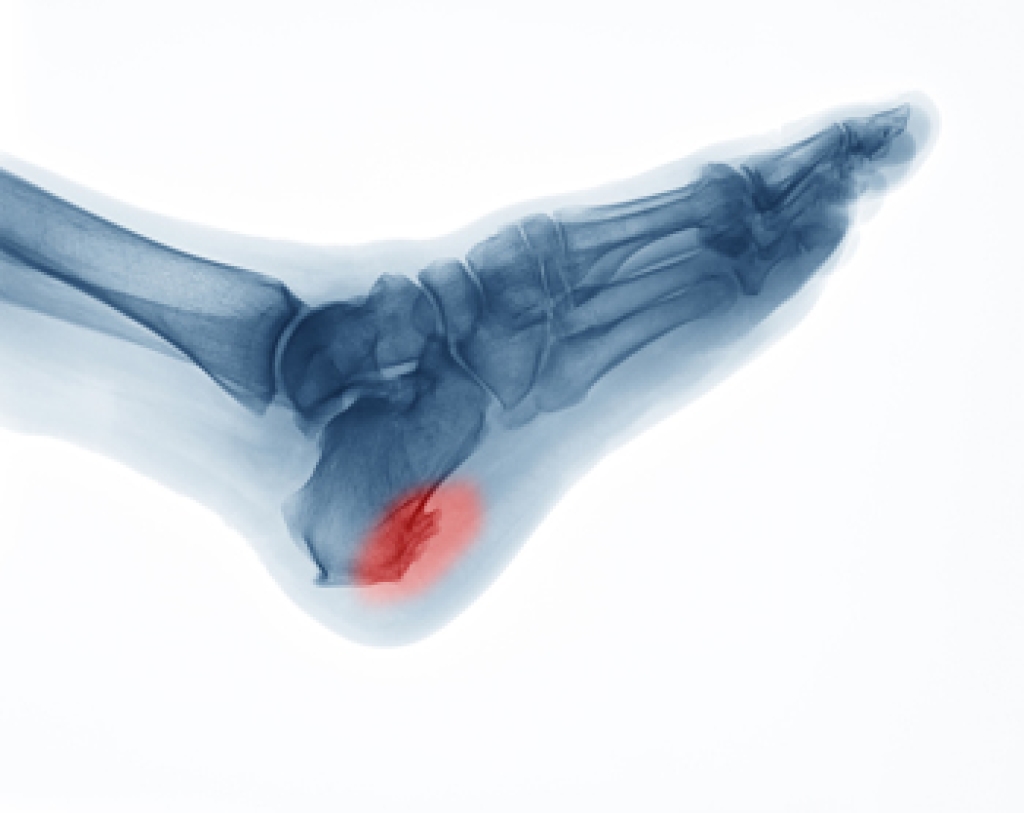
Causes and Risk Factors for Heel Spurs

Heel spurs, also known as calcaneal spurs, are bony outgrowths on the bottom of the foot, often extending from the heel toward the arch. These pointy, hooked, or shelf-like formations, when seen on X-rays, can measure up to half an inch. Heel spurs are a result of long-term strain on muscles and ligaments and can occur as soft tissues in the heel wear out. Also, trauma, such as bruising the heel or tearing its protective membrane, can contribute to their development. Age plays a role, too. The natural wear and tear of heel pads, diminishing shock absorption, can make the heel more susceptible to calcium deposits, which form heel spurs. Various factors increase the risk of heel spurs, notably athletic activities like running and jumping. Engaging in these activities on hard surfaces, a common occurrence in sports, can accelerate wear and tear on the heel. Age and gender also play a role, with older individuals and women more prone to developing heel spurs. Weight problems and wearing improper footwear, such as non-supportive shoes or flip-flops, can further elevate the risk. If you are experiencing heel pain that may be caused by heel spurs, it is suggested that you schedule an appointment with a podiatrist for an exam, diagnosis, and treatment.

Heel spurs can be incredibly painful and sometimes may make you unable to participate in physical activities. To get medical care for your heel spurs, contact Kenneth Donovan, DPM from Advanced Care Foot and Ankle. Our doctor will do everything possible to treat your condition.

Heels Spurs

Heel spurs are formed by calcium deposits on the back of the foot where the heel is. This can also be caused by small fragments of bone breaking off one section of the foot, attaching onto the back of the foot. Heel spurs can also be bone growth on the back of the foot and may grow in the direction of the arch of the foot.

Older individuals usually suffer from heel spurs and pain sometimes intensifies with age. One of the main condition's spurs are related to is plantar fasciitis.

Pain

The pain associated with spurs is often because of weight placed on the feet. When someone is walking, their entire weight is concentrated on the feet. Bone spurs then have the tendency to affect other bones and tissues around the foot. As the pain continues, the feet will become tender and sensitive over time.

Treatments

There are many ways to treat heel spurs. If one is suffering from heel spurs in conjunction with pain, there are several methods for healing. Medication, surgery, and herbal care are some options.

If you have any questions, please feel free to contact our office located in Charleston, SC . We offer the newest diagnostic and treatment technologies for all your foot care needs.

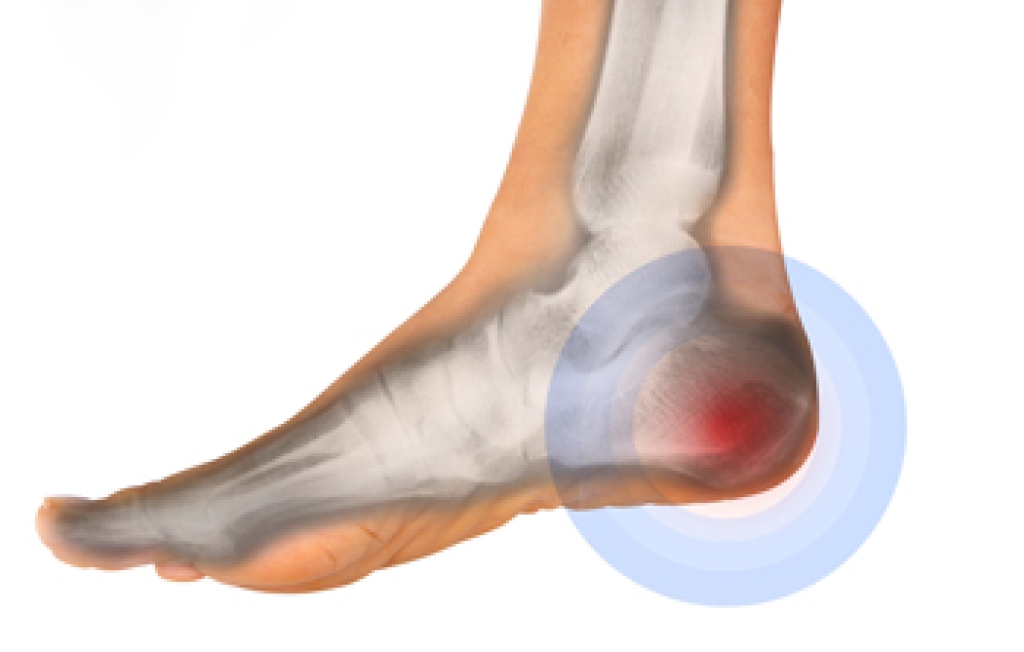
Read more about How to Treat Heel Spurs

Do Your Child's Feet Hurt?

Have your child's feet been examined lately? Healthy feet are happy feet. If your child is complaining of foot pain, it may be a sign of underlying problems.

Various Causes of Heel Pain

Heel pain, a pervasive discomfort impacting daily activities, can be attributed to a myriad of factors. Plantar fasciitis, a common cause, arises from inflammation of the plantar fascia, the tissue connecting the heel bone to the toes. Excessive strain on this ligament, often from overuse or wearing improper footwear, can lead to stabbing pain. Achilles tendonitis, inflammation of the Achilles tendon at the back of the heel, contributes to discomfort, particularly in activities that stress the calf muscles. Additionally, heel spurs, bony protrusions at the bottom of the heel, may result from prolonged plantar fasciitis, causing intermittent or chronic pain. Other potential causes may include stress fractures, nerve impingement, or bursitis. Foot anatomy, gait abnormalities, and excessive weight can further exacerbate heel pain. Identifying the specific factors that contribute to heel pain is essential for tailored interventions. If you have heel pain, it is strongly suggested that you are under the care of a podiatrist who can determine the cause and offer appropriate treatment methods. 

Many people suffer from bouts of heel pain. For more information, contact Kenneth Donovan, DPM of Advanced Care Foot and Ankle. Our doctor can provide the care you need to keep you pain-free and on your feet.

Causes of Heel Pain

Heel pain is often associated with plantar fasciitis. The plantar fascia is a band of tissues that extends along the bottom of the foot. A rip or tear in this ligament can cause inflammation of the tissue.

Achilles tendonitis is another cause of heel pain. Inflammation of the Achilles tendon will cause pain from fractures and muscle tearing. Lack of flexibility is also another symptom.

Heel spurs are another cause of pain. When the tissues of the plantar fascia undergo a great deal of stress, it can lead to ligament separation from the heel bone, causing heel spurs.

Why Might Heel Pain Occur?

  • Wearing ill-fitting shoes                
  • Wearing non-supportive shoes
  • Weight change           
  • Excessive running

Treatments

Heel pain should be treated as soon as possible for immediate results. Keeping your feet in a stress-free environment will help. If you suffer from Achilles tendonitis or plantar fasciitis, applying ice will reduce the swelling. Stretching before an exercise like running will help the muscles. Using all these tips will help make heel pain a condition of the past.

If you have any questions, please feel free to contact our office located in Charleston, SC . We offer the newest diagnostic and treatment technologies for all your foot care needs.

Read more about Heel Pain

The Serious Nature of Diabetic Foot Problems

Serious foot infections in diabetic individuals pose significant health risks and often lead to amputations and even death. These infections are a concerning complication of diabetes and require careful attention. They can be caused by various factors, including poor blood sugar control, reduced blood flow, and nerve damage in the feet. In diabetic foot infections, bacteria can enter through minor cuts or sores, leading to cellulitis, abscesses, or even gangrene. Early detection and prompt treatment are crucial to prevent severe complications. Common symptoms include redness, warmth, swelling, and pain in the affected foot. Treatment typically involves antibiotics, wound care, and in some cases, surgical intervention to remove infected tissue and improve blood flow. Diabetic patients must take special precautions to prevent foot infections, such as daily foot inspections, proper hygiene, wearing well-fitting shoes, and maintaining good blood sugar control. If you have diabetes, it is suggested that you schedule regular appointments with a podiatrist to monitor your foot health, and receive timely intervention to prevent serious infections.

Diabetic Limb Salvage

Diabetic limb salvage can be an effective way in preventing the need for limb amputation. If you have a foot ulcer and diabetes, consult with Kenneth Donovan, DPM from Advanced Care Foot and Ankle. Our doctor will assess your condition and provide you with quality foot and ankle treatment.

What Is Diabetic Limb Salvage?

Diabetic limb salvage is the attempt of saving a limb, such as the foot, that has an infected ulcer, from amputation. Podiatrists also try to make sure that there is enough function in the foot after the salvage that it is still usable. Those with diabetes experience poor blood circulation, which prevents proper healing of an ulcer. If the ulcer is left uncheck, it could become infected, which could result in the need for amputation.

Diabetes is the number one cause of non-traumatic amputations in the United States. Amputation has been found to lead to higher mortality rates. This translates into higher healthcare costs, and a reduced quality of life and mobility for amputees. Podiatrists have attempted to increase the prevalence of limb salvage in an attempt to solve these issues.

Diagnosis and Treatment

Limb salvage teams have grown in recent years that utilize a number of different treatments to save the infected limb. This includes podiatrists that specialize in wound care, rehabilitation, orthotics, and surgery. Through a combination of these methods, limb salvage has been found to be an effective treatment for infected limbs, and as an alternative to amputation. Podiatrists will first evaluate the potential for limb salvage and determine if the limb can be saved or must be amputated. 

If you have any questions, please feel free to contact our office located in Charleston, SC . We offer the newest diagnostic and treatment technologies for all your foot care needs.

Read more about Diabetic Limb Salvage

Definition and Risk Factors of Plantar Warts

Plantar warts, small growths caused by the human papillomavirus, or HPV, often appear on the soles of the feet. Unlike common warts, which typically grow on the hands, plantar warts can be painful due to the pressure exerted on the soles when walking or standing. These warts may have a rough, grainy appearance with tiny black dots, which are actually clotted blood vessels. Several risk factors increase the likelihood of developing plantar warts. Close contact with the virus, such as walking barefoot in damp and communal areas like locker rooms, swimming pools, or public showers, can put your feet at risk. Additionally, those with a weakened immune system, such as individuals with diabetes or HIV, are more susceptible to plantar warts. Constantly moist or sweaty feet can provide an ideal environment for the virus to thrive. If you have developed a plantar wart, it is strongly suggested that you consult a podiatrist who can provide relief with appropriate treatment methods.

Plantar warts can be very uncomfortable. If you need your feet checked, contact Kenneth Donovan, DPM from Advanced Care Foot and Ankle. Our doctor will assist you with all of your foot and ankle needs.

About Plantar Warts

Plantar warts are the result of HPV, or human papillomavirus, getting into open wounds on the feet. They are mostly found on the heels or balls of the feet.

While plantar warts are generally harmless, those experiencing excessive pain or those suffering from diabetes or a compromised immune system require immediate medical care. Plantar warts are easily diagnosed, usually through scraping off a bit of rough skin or by getting a biopsy.

Symptoms

  • Lesions on the bottom of your feet, usually rough and grainy
  • Hard or thick callused spots
  • Wart seeds, which are small clotted blood vessels that look like little black spots
  • Pain, discomfort, or tenderness of your feet when walking or standing

Treatment

  • Freezing
  • Electric tool removal
  • Laser Treatment
  • Topical Creams (prescription only)
  • Over-the-counter medications

To help prevent developing plantar warts, avoid walking barefoot over abrasive surfaces that can cause cuts or wounds for HPV to get into. Avoiding direct contact with other warts, as well as not picking or rubbing existing warts, can help prevent the further spread of plantar warts. However, if you think you have developed plantar warts, speak to your podiatrist. He or she can diagnose the warts on your feet and recommend the appropriate treatment options.

If you have any questions, please feel free to contact our office located in Charleston, SC . We offer the newest diagnostic and treatment technologies for all your foot care needs.
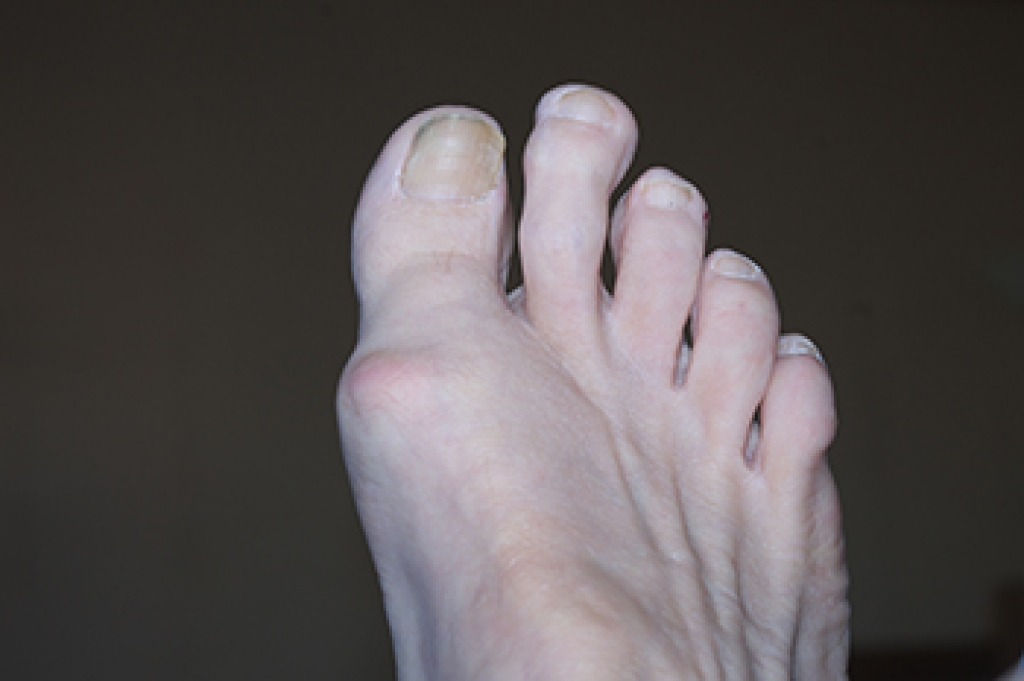
Read more about What Are Plantar Warts?

Morton’s Toe Can Cause Pain

Morton's toe is characterized by the second toe appearing to be longer than the big toe. It is a prevalent foot structure that affects weight distribution and occasionally causes discomfort. Morton’s toe is a hereditary trait that has also been associated with potential advantages in athletics, as many professional athletes exhibit Morton's toe. Morton's toe is not actually caused by the second toe itself. In fact, its root lies in the metatarsals. When the first metatarsal is shorter, it makes the second toe seem longer. This condition leads to uneven weight distribution across the other bones of the feet. Over time, Morton’s toe may result in aches and pains, primarily felt at the base of the first two metatarsal bones and at the head of the second metatarsal. Fortunately, conservative treatments, such as padding, specific exercises, medication, and wearing custom orthotics can effectively manage the associated pain. For cases where conservative measures fall short, surgical options that call for removing certain toe joints are available. Seeking early intervention and consulting with a podiatrist can guide individuals with Morton's toe toward an appropriate and personalized course of action to maintain foot health and overall well being. For more information on Morton’s toe, it is suggested that you make an appointment with a podiatrist.

If you have any concerns about your feet, contact Kenneth Donovan, DPM from Advanced Care Foot and Ankle. Our doctor can provide the care you need to keep you pain-free and on your feet.

Biomechanics in Podiatry

Podiatric biomechanics is a particular sector of specialty podiatry with licensed practitioners who are trained to diagnose and treat conditions affecting the foot, ankle and lower leg. Biomechanics deals with the forces that act against the body, causing an interference with the biological structures. It focuses on the movement of the ankle, the foot and the forces that interact with them.

A History of Biomechanics

  • Biomechanics dates back to the BC era in Egypt where evidence of professional foot care has been recorded.
  • In 1974, biomechanics gained a higher profile from the studies of Merton Root, who claimed that by changing or controlling the forces between the ankle and the foot, corrections or conditions could be implemented to gain strength and coordination in the area.

Modern technological improvements are based on past theories and therapeutic processes that provide a better understanding of podiatric concepts for biomechanics. Computers can provide accurate information about the forces and patterns of the feet and lower legs.

Understanding biomechanics of the feet can help improve and eliminate pain, stopping further stress to the foot.

If you have any questions please feel free to contact our office located in Charleston, SC . We offer the newest diagnostic and treatment technologies for all your foot and ankle needs.

Read more about Biomechanics in Podiatry

Birth Defects Impacting a Baby’s Feet

Birth defects affecting the feet can have a significant impact on a child's life. These abnormalities can range from clubfoot, where the foot is twisted inward, to webbed toes or missing toes, irregularly shaped feet, or fused joints. Addressing these issues early is vital for the child's long-term mobility and comfort. Seeing a podiatrist is essential in such cases. Podiatrists are foot specialists who can diagnose and provide early interventions to manage such birth defects. They assess the child's condition, create a tailored treatment plan, and monitor progress. If you have an infant that has been born with a foot deformity, it is strongly suggested that you visit a podiatrist as quickly as possible for an evaluation and treatment plan.

Congenital foot problems require immediate attention to avoid future complications. If you have any concerns, contact Kenneth Donovan, DPM of Advanced Care Foot and Ankle. Our doctor can provide the care you need to keep you pain-free and on your feet.

Congenital foot problems are deformities affecting the feet, toes, and/or ankles that children are born with. Some of these conditions have a genetic cause while others just happen. Some specific foot ailments that children may be born with include clubfeet, polydactyly/macrodactyly, and cleft foot. There are several other foot anomalies that can occur congenitally. What all of these conditions have in common is that a child may experience difficulty walking or performing everyday activities, as well as trouble finding footwear that fits their foot deformity. Some of these conditions are more serious than others. Consulting with a podiatrist as early as possible will help in properly diagnosing a child’s foot condition while getting the necessary treatment underway.

What are Causes of Congenital Foot Problem?

A congenital foot problem is one that happens to a child at birth. These conditions can be caused by a genetic predisposition, developmental or positional abnormalities during gestation, or with no known cause.

What are Symptoms of Congenital Foot Problems?

Symptoms vary by the congenital condition. Symptoms may consist of the following:

  • Clubfoot, where tendons are shortened, bones are shaped differently, and the Achilles tendon is tight, causing the foot to point in and down. It is also possible for the soles of the feet to face each other.
  • Polydactyly, which usually consists of a nubbin or small lump of tissue without a bone, a toe that is partially formed but has no joints, or an extra toe.
  • Vertical talus, where the talus bone forms in the wrong position causing other bones in the foot to line up improperly, the front of the foot to point up, and the bottom of the foot to stiffen, with no arch, and to curve out.
  • Tarsal coalition, when there is an abnormal connection of two or more bones in the foot leading to severe, rigid flatfoot.
  • Cleft foot, where there are missing toes, a V-shaped cleft, and other anatomical differences.
  • Macrodactyly, when the toes are abnormally large due to overgrowth of the underlying bone or soft tissue.

Treatment and Prevention

While there is nothing one can do to prevent congenital foot problems, raising awareness and receiving neonatal screenings are important. Early detection by taking your child to a podiatrist leads to the best outcome possible.

If you have any questions, please feel free to contact our office located in Charleston, SC . We offer the newest diagnostic and treatment technologies for all your foot care needs.

Read more about Congenital Foot Problems

Why Live with Pain and Numbness in Your Feet?

Suffering from this type of pain? You may have the foot condition known as Morton's neuroma. Morton's neuroma may develop as a result of ill-fitting footwear and existing foot deformities. We can help.

Causes and Symptoms of Gout

Gout, a form of inflammatory arthritis, arises from an excess of uric acid in the bloodstream, resulting in the formation of urate crystals within the body's tissues. These crystals, mainly concentrated in joints, trigger inflammation and lead to pain, redness, heat, and swelling. Gout symptoms occur suddenly and primarily affect a single joint, such as the big toe. The pain is intense, with heightened sensitivity to touch. Many factors can contribute to heightened uric acid levels, including genetics, obesity, and specific medications like diuretics. High blood pressure, surgery, trauma, dehydration, and kidney disease may also elevate the risk of developing gout. Surprisingly, even medications aimed at lowering uric acid levels may initiate gout flares. Tophi, hard nodules of uric acid beneath the skin, signify prolonged elevated uric acid levels. The presence of tophi demands immediate attention from a podiatrist. Left untreated, gout can result in joint damage, physical deformities, and kidney stones. If you suspect gout, it is suggested that you consult a podiatrist for an examination and a personalized treatment plan.

Gout is a foot condition that requires certain treatment and care. If you are seeking treatment, contact Kenneth Donovan, DPM from Advanced Care Foot and Ankle. Our doctor will treat your foot and ankle needs.

What Is Gout?

Gout is a type of arthritis caused by a buildup of uric acid in the bloodstream. It often develops in the foot, especially the big toe area, although it can manifest in other parts of the body as well. Gout can make walking and standing very painful and is especially common in diabetics and the obese.

People typically get gout because of a poor diet. Genetic predisposition is also a factor. The children of parents who have had gout frequently have a chance of developing it themselves.

Gout can easily be identified by redness and inflammation of the big toe and the surrounding areas of the foot. Other symptoms include extreme fatigue, joint pain, and running high fevers. Sometimes corticosteroid drugs can be prescribed to treat gout, but the best way to combat this disease is to get more exercise and eat a better diet.

If you have any questions, please feel free to contact our office located in Charleston, SC . We offer the newest diagnostic and treatment technologies for all your foot care needs.

Read more about Everything You Need to Know About Gout

Podiatric Evaluation of Feet for Exercise

Podiatrists conduct thorough evaluations of feet to optimize exercise outcomes and prevent injuries. This process begins with a detailed assessment of the foot's structure, which includes examining the arch, toe alignment, and overall foot shape. This type of doctor pays close attention to any abnormalities or conditions like flat feet, high arches, or bunions that may impact exercise performance or lead to injury. Gait analysis is another critical aspect, where the podiatrist observes how a person walks and runs. This analysis helps identify any irregularities in foot movement that could cause problems during physical activities. A key part of the evaluation is understanding the individual's exercise routine, including the type of activities they engage in, and the frequency and intensity of these activities. This information, combined with the physical examination, enables the podiatrist to make personalized recommendations. These may include specific types of footwear, custom orthotics, or exercises to strengthen the foot and ankle. If you are exercising or embarking on a new exercise program, it is suggested that you make an appointment with a podiatrist for advice to enhance your comfort, improve performance, and reduce the risk of foot-related injuries during exercise.

Exercising your feet regularly with the proper foot wear is a great way to prevent injuries and build strength. If you have any concerns about your feet, contact Kenneth Donovan, DPM from Advanced Care Foot and Ankle. Our doctor can provide the care you need to keep you pain-free and on your feet.

Exercise for Your Feet

Exercise for your feet can help you gain strength, mobility and flexibility in your feet. They say that strengthening your feet can be just as rewarding as strengthening another part of the body. Your feet are very important, and we often forget about them in our daily tasks. But it is because of our feet that are we able to get going and do what we need to. For those of us fortunate enough to not have any foot problems, it is an important gesture to take care of them to ensure good health in the long run.

Some foot health exercises can include ankle pumps, tip-toeing, toe rises, lifting off the floor doing reps and sets, and flexing the toes. It is best to speak with Our doctor to determine an appropriate regimen for your needs. Everyone’s needs and bodies are different, and the activities required to maintain strength in the feet vary from individual to individual. 

Once you get into a routine of doing regular exercise, you may notice a difference in your feet and how strong they may become.

If you have any questions, please feel free to contact our office located in Charleston, SC . We offer the newest diagnostic and treatment technologies for all your foot care needs.
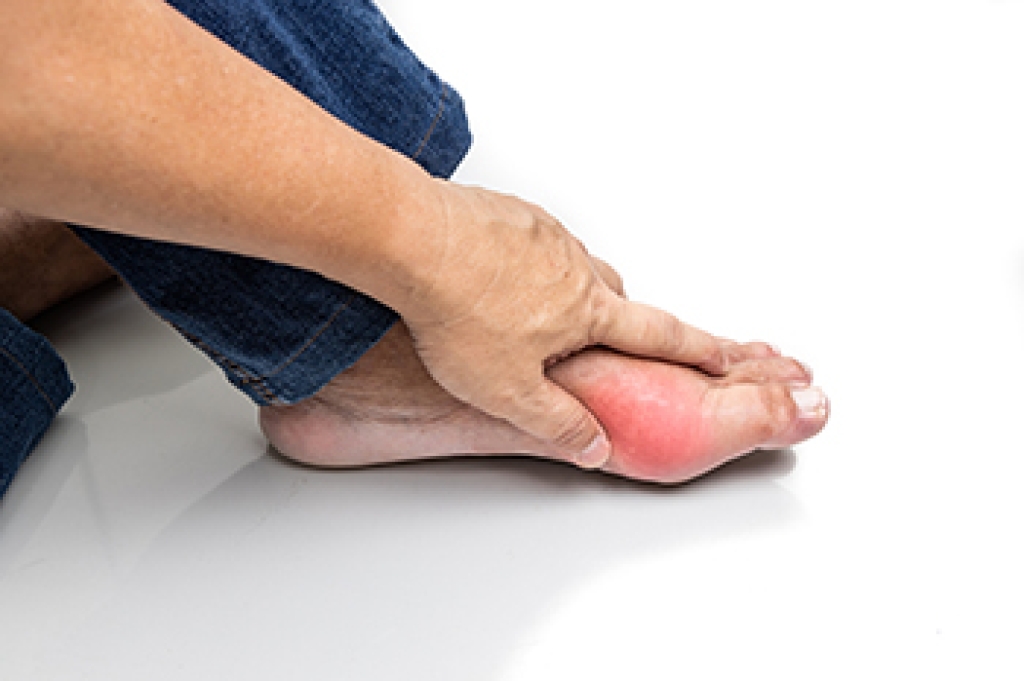
Read more about Exercise for Your Feet

Connect With Us