Fascinating Facts About Children's Feet

Children's feet are amazing structures that undergo significant development and growth, making them quite intriguing. A baby's foot at birth contains only cartilage and gradually ossifies into bone over time.  As they grow, the arches of their feet start forming at approximately age two and continue developing into early adulthood. Surprisingly, children have about twice as many foot sweat glands as adults, but their sweat does not develop an odor until puberty. The skin on a child's foot is also very delicate, making them susceptible to injuries and conditions such as warts and athlete's foot. It is important to encourage barefoot play to promote healthy development. A podiatrist can provide you with knowledge about children’s feet, and it is suggested that you contact this type of doctor if you would like to learn more.

Making sure that your children maintain good foot health is very important as they grow. If you have any questions, contact Kenneth Donovan, DPM of Advanced Care Foot and Ankle. Our doctor can provide the care you need to keep you pain-free and on your feet.

Keeping Children's Feet Healthy

Having healthy feet during childhood can help prevent medical problems later in life, namely in the back and legs. As children grow, their feet require different types of care. Here are some things to consider...

Although babies do not walk yet, it is still very important to take care of their feet.

Avoid putting tight shoes or socks on his or her feet.

Allow the baby to stretch and kick his or her feet to feel comfortable.

As a toddler, kids are now on the move and begin to develop differently. At this age, toddlers are getting a feel for walking, so don’t be alarmed if your toddler is unsteady or ‘walks funny’. 

As your child gets older, it is important to teach them how to take care of their feet.

Show them proper hygiene to prevent infections such as fungus.

Be watchful for any pain or injury.

Have all injuries checked by a doctor as soon as possible.

Comfortable, protective shoes should always be worn, especially at play.

If you have any questions, please feel free to contact our office located in Charleston, SC . We offer the newest diagnostic and treatment technologies for all your foot care needs.
Read more about What to Do to Keep Your Child’s Feet Healthy

Facts About Morton’s Neuroma

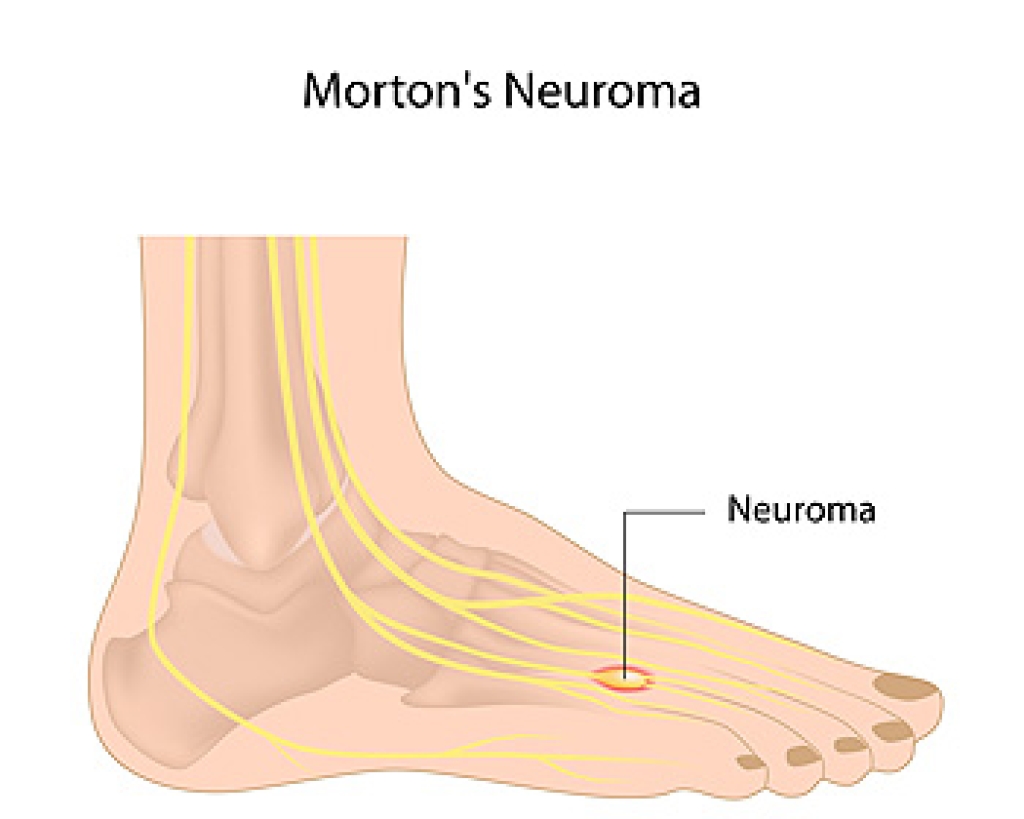
Morton's neuroma is a relatively common but often misunderstood foot condition that can lead to discomfort and pain. This condition can be demystified by exploring essential facts about Morton's neuroma. Morton's neuroma typically occurs between the third and fourth toes, though it can develop in other spaces in the foot. Despite its name, Morton's neuroma is not a tumor. It is actually a thickening of the tissue surrounding the nerves leading to the toes. Common symptoms can include sharp, burning pain or the sensation of a pebble in the shoe, typically while walking or running. Morton’s neuroma can be triggered by wearing tight shoes, high heels, or activities that put repetitive pressure on the forefoot, such as running. Treatment of Morton's neuroma can be managed with conservative measures such as wearing wider shoes, or using cushioned insoles. If conservative treatments do not provide relief, surgical removal of the neuroma may be considered. Effective preventive measures include wearing proper footwear, maintaining a healthy weight, and addressing foot issues promptly. If you have any of these symptoms, it is suggested that you consult a podiatrist who can accurately diagnose and treat Morton’s neuroma.  

Morton’s neuroma is a very uncomfortable condition to live with. If you think you have Morton’s neuroma, contact Kenneth Donovan, DPM of Advanced Care Foot and Ankle. Our doctor will attend to all of your foot care needs and answer any of your related questions.  

Morton’s Neuroma

Morton's neuroma is a painful foot condition that commonly affects the areas between the second and third or third and fourth toe, although other areas of the foot are also susceptible. Morton’s neuroma is caused by an inflamed nerve in the foot that is being squeezed and aggravated by surrounding bones.

What Increases the Chances of Having Morton’s Neuroma?

  • Ill-fitting high heels or shoes that add pressure to the toe or foot
  • Jogging, running or any sport that involves constant impact to the foot
  • Flat feet, bunions, and any other foot deformities

Morton’s neuroma is a very treatable condition. Orthotics and shoe inserts can often be used to alleviate the pain on the forefront of the feet. In more severe cases, corticosteroids can also be prescribed. In order to figure out the best treatment for your neuroma, it’s recommended to seek the care of a podiatrist who can diagnose your condition and provide different treatment options.

If you have any questions, please feel free to contact our office located in Charleston, SC . We offer the newest diagnostic and treatment technologies for all your foot care needs.
Read more about Morton's Neuroma

Risks for Achilles Tendon Injuries

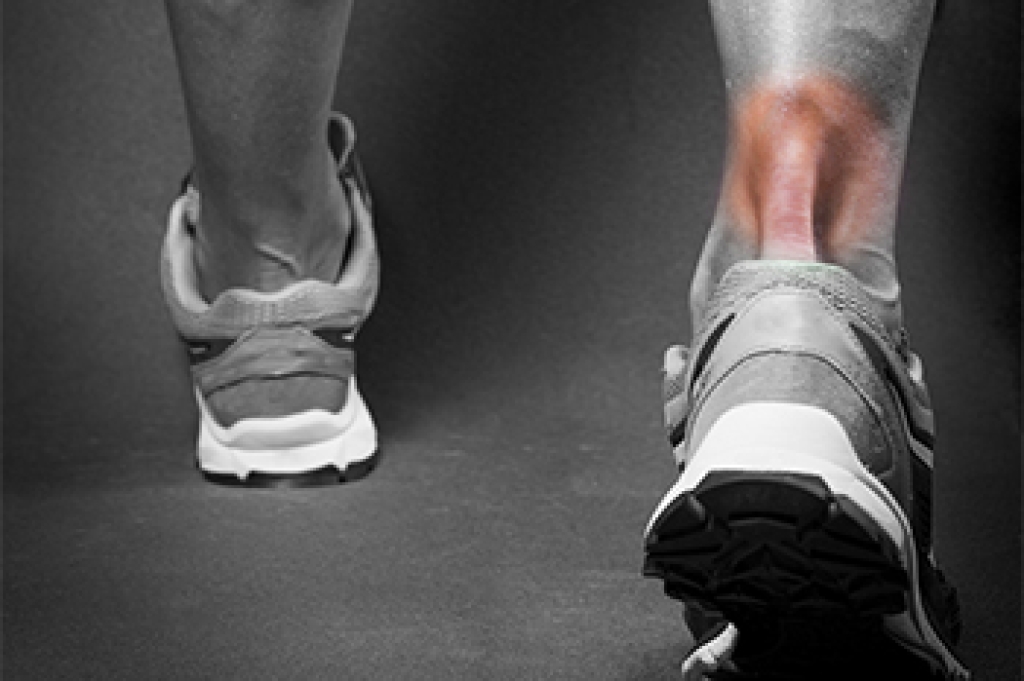
Achilles tendon injuries are becoming more prevalent, affecting young individuals with acute ruptures and older adults with chronic conditions. Acute ruptures are often related to high-energy sports in younger individuals and low-energy events in older patients. A missed diagnosis is not uncommon. Risk factors for Achilles tendon ruptures may include fluoroquinolone antibiotic use, rheumatoid arthritis, gout, and other medical conditions. Diagnosis involves a thorough physical examination, and sometimes an ultrasound, to confirm findings. Non-surgical management is increasingly favored for acute ruptures, with evidence showing good outcomes. This involves early immobilization and rehabilitation. Chronic conditions such as Achilles tendinopathy can benefit from early intervention and exercise. For more severe cases, surgery may be necessary. If you have injured your Achilles tendon, it is suggested that you make an appointment with a podiatrist who can provide you with a proper diagnosis and a tailored treatment plan.

Achilles tendon injuries need immediate attention to avoid future complications. If you have any concerns, contact Kenneth Donovan, DPM of Advanced Care Foot and Ankle. Our doctor can provide the care you need to keep you pain-free and on your feet.

What Is the Achilles Tendon?

The Achilles tendon is a tendon that connects the lower leg muscles and calf to the heel of the foot. It is the strongest tendon in the human body and is essential for making movement possible. Because this tendon is such an integral part of the body, any injuries to it can create immense difficulties and should immediately be presented to a doctor.

What Are the Symptoms of an Achilles Tendon Injury?

There are various types of injuries that can affect the Achilles tendon. The two most common injuries are Achilles tendinitis and ruptures of the tendon.

Achilles Tendinitis Symptoms

  • Inflammation
  • Dull to severe pain
  • Increased blood flow to the tendon
  • Thickening of the tendon

Rupture Symptoms

  • Extreme pain and swelling in the foot
  • Total immobility

Treatment and Prevention

Achilles tendon injuries are diagnosed by a thorough physical evaluation, which can include an MRI. Treatment involves rest, physical therapy, and in some cases, surgery. However, various preventative measures can be taken to avoid these injuries, such as:

  • Thorough stretching of the tendon before and after exercise
  • Strengthening exercises like calf raises, squats, leg curls, leg extensions, leg raises, lunges, and leg presses

If you have any questions please feel free to contact our office located in Charleston, SC . We offer the newest diagnostic tools and technology to treat your foot and ankle needs.

Read more about Achilles Tendon Injuries

Negative Pressure Foot Wound Therapy

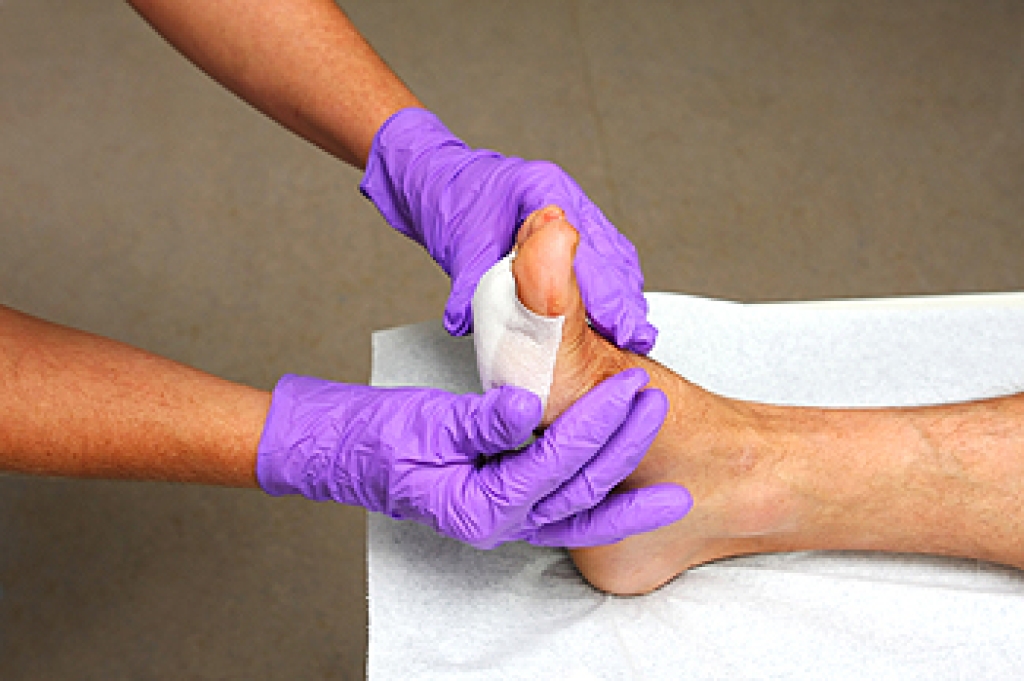
Negative Pressure Wound Therapy, or NPWT, is a versatile technique that aids wound healing by applying a kind of sub-atmospheric pressure. It is used for complex, non-healing wounds such as diabetic foot ulcers. Implementing NPWT involves placing a porous foam dressing on the wound and applying continuous or intermittent suction to create sub-atmospheric pressure. NPWT is suitable for wounds ranging from open fractures to surgical incisions. The skin's healing process involves acute and chronic phases, with NPWT optimizing these phases. Indications for NPWT include traumatic wounds, wounds that have separated, and skin grafts. Proper preparation and technique are crucial, and closed wounds may be managed outside the operating room, while open wounds require surgical preparation. Complications can include pain, bleeding, infection, foam retention, and loss of suction. Despite challenges, NPWT is a valuable tool in wound care. If you have foot wounds, it is suggested that you make an appointment with a podiatrist to speak about the possibility of this therapy being correct for you.

Wound care is an important part in dealing with diabetes. If you have diabetes and a foot wound or would like more information about wound care for diabetics, consult with Kenneth Donovan, DPM from Advanced Care Foot and Ankle. Our doctor will assess your condition and provide you with quality foot and ankle treatment.

What Is Wound Care?

Wound care is the practice of taking proper care of a wound. This can range from the smallest to the largest of wounds. While everyone can benefit from proper wound care, it is much more important for diabetics. Diabetics often suffer from poor blood circulation which causes wounds to heal much slower than they would in a non-diabetic. 

What Is the Importance of Wound Care?

While it may not seem apparent with small ulcers on the foot, for diabetics, any size ulcer can become infected. Diabetics often also suffer from neuropathy, or nerve loss. This means they might not even feel when they have an ulcer on their foot. If the wound becomes severely infected, amputation may be necessary. Therefore, it is of the upmost importance to properly care for any and all foot wounds.

How to Care for Wounds

The best way to care for foot wounds is to prevent them. For diabetics, this means daily inspections of the feet for any signs of abnormalities or ulcers. It is also recommended to see a podiatrist several times a year for a foot inspection. If you do have an ulcer, run the wound under water to clear dirt from the wound; then apply antibiotic ointment to the wound and cover with a bandage. Bandages should be changed daily and keeping pressure off the wound is smart. It is advised to see a podiatrist, who can keep an eye on it.

If you have any questions please contact our office located in Charleston, SC . We offer the newest diagnostic and treatment technologies for all your foot and ankle needs.

Read more about Wound Care

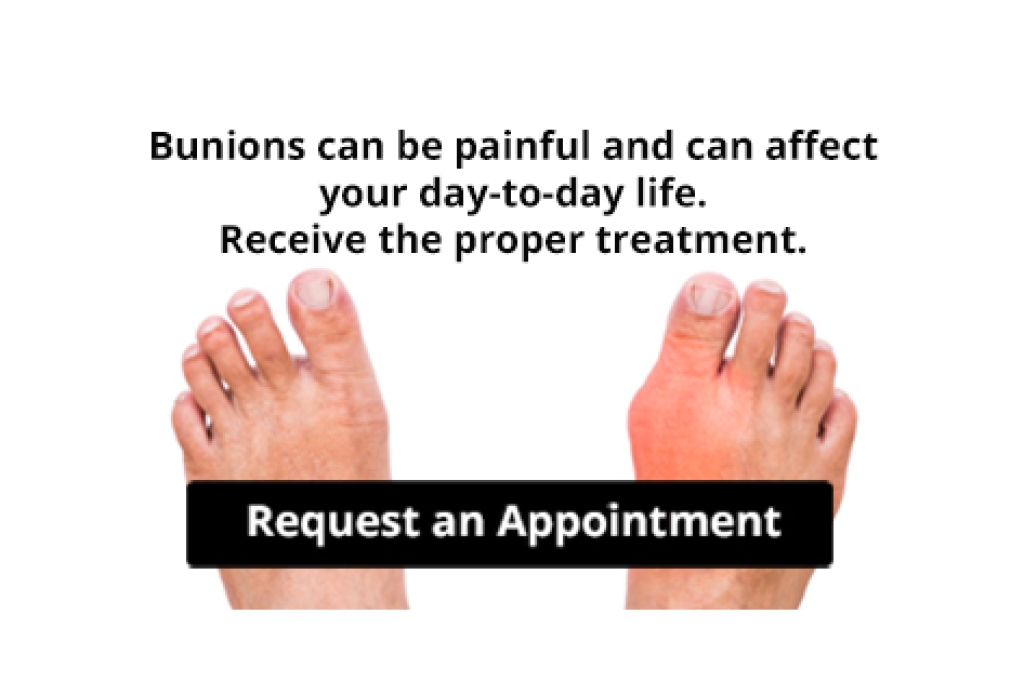
Are Bunions Affecting Your Everyday Life?

Have you noticed a bony protrusion on the side of your big toe? If so, you may have developed the foot condition known as a bunion. Don't let bunions interfere with your daily activities.

Connect With Us