
Do you suffer from heel pain when you get up in the morning? If so, you should seek professional help and have a proper diagnosis performed. Heel pain can be caused by several different foot-related conditions.
Do you suffer from heel pain when you get up in the morning? If so, you should seek professional help and have a proper diagnosis performed. Heel pain can be caused by several different foot-related conditions.

Finding the right shoes for flat feet is important for both comfort and foot health. Flat feet can vary in shape and size, from toes pointing outward to tight Achilles tendons. Experts suggest opting for wide-fit shoes to accommodate your foot shape and avoiding narrow fronts, allowing your toes to spread comfortably. Look for shoes with sturdy soles and heel support to prevent overpronation and protect against potential tendon damage. Custom orthotic inserts can provide personalized support, reduce strain, and help keep your feet aligned. Reinforced heels are essential to safeguard against pressure to protect the Achilles tendon. Consider wearing different types of shoes for various activities, ensuring you have the right support for each occasion. During the summer, prioritize wide, sturdy soles with ample cushioning. While wearing quality shoes is essential, it is suggested that you consult a podiatrist for an examination and tailored advice on managing flat feet.
Flatfoot is a condition many people suffer from. If you have flat feet, contact Kenneth Donovan, DPM from Advanced Care Foot and Ankle. Our doctor will treat your foot and ankle needs.
What Are Flat Feet?
Flatfoot is a condition in which the arch of the foot is depressed and the sole of the foot is almost completely in contact with the ground. About 20-30% of the population generally has flat feet because their arches never formed during growth.
Conditions & Problems:
Having flat feet makes it difficult to run or walk because of the stress placed on the ankles.
Alignment – The general alignment of your legs can be disrupted, because the ankles move inward which can cause major discomfort.
Knees – If you have complications with your knees, flat feet can be a contributor to arthritis in that area.
Symptoms
Treatment
If you are experiencing pain and stress on the foot you may weaken the posterior tibial tendon, which runs around the inside of the ankle.
If you have any questions, please feel free to contact our office located in Charleston, SC . We offer the newest diagnostic and treatment technologies for all your foot care needs.
Feet are remarkable structures comprising 26 bones, 33 joints, and more than 100 muscles, tendons, and ligaments. These bones are divided into three groups, consisting of the tarsal bones, which form the back of the foot and ankle, the metatarsal bones, which make up the midfoot, and the phalanges, which form the toes. On average, a person takes approximately 8,000 to 10,000 steps per day, which adds up to about 115,000 miles in a lifetime. Among the many joints in the feet, some of the most essential include the ankle joint, subtalar joint, and metatarsophalangeal joints. These joints work together to provide support, flexibility, and propulsion during movement, allowing us to walk, run, jump, and dance with ease. If you have developed foot pain which may be due to your foot's structure, it is suggested that you confer with a podiatrist who can help you with relief solutions.
If you have any concerns about your feet, contact Kenneth Donovan, DPM from Advanced Care Foot and Ankle. Our doctor can provide the care you need to keep you pain-free and on your feet.
Biomechanics in Podiatry
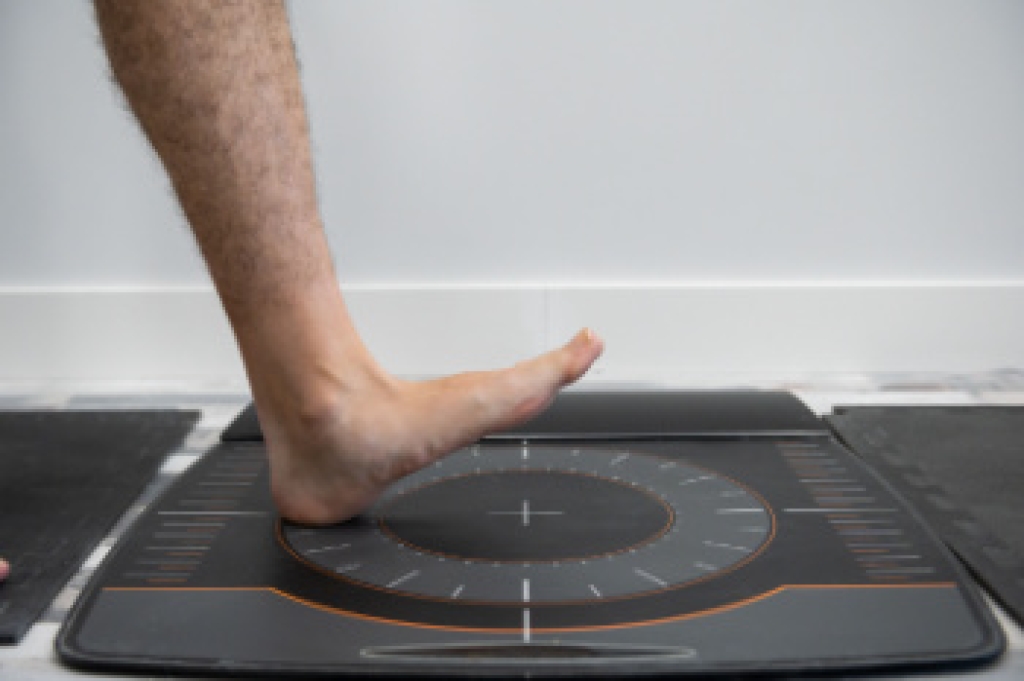
Podiatric biomechanics is a particular sector of specialty podiatry with licensed practitioners who are trained to diagnose and treat conditions affecting the foot, ankle and lower leg. Biomechanics deals with the forces that act against the body, causing an interference with the biological structures. It focuses on the movement of the ankle, the foot and the forces that interact with them.
A History of Biomechanics
Modern technological improvements are based on past theories and therapeutic processes that provide a better understanding of podiatric concepts for biomechanics. Computers can provide accurate information about the forces and patterns of the feet and lower legs.
Understanding biomechanics of the feet can help improve and eliminate pain, stopping further stress to the foot.
If you have any questions please feel free to contact our office located in Charleston, SC . We offer the newest diagnostic and treatment technologies for all your foot and ankle needs.

Ankle fractures often result from trauma or sudden twists during activities like sports or falls. These fractures are classified based on the location and severity of the break, aiding medical professionals in determining the most appropriate treatment. One common classification system divides ankle fractures into three main categories, which are lateral malleolus fractures, medial malleolus fractures, and posterior malleolus fractures. Lateral malleolus fractures involve the outer bone of the ankle, known as the fibula, and typically occur from rolling the ankle outward. Medial malleolus fractures affect the inner bone of the ankle, called the tibia, and result from inward rolling of the ankle. Posterior malleolus fractures involve the back of the tibia near the ankle joint and are often associated with high-energy injuries. If you have fractured your ankle, it is suggested that you confer with a podiatrist who can effectively diagnose and treat this condition.
Broken ankles need immediate treatment. If you are seeking treatment, contact Kenneth Donovan, DPM from Advanced Care Foot and Ankle. Our doctor can provide the care you need to keep you pain-free and on your feet.
Broken Ankles
A broken ankle is experienced when a person fractures their tibia or fibula in the lower leg and ankle area. Both of these bones are attached at the bottom of the leg and combine to form what we know to be our ankle.
When a physician is referring to a break of the ankle, he or she is usually referring to a break in the area where the tibia and fibula are joined to create our ankle joint. Ankles are more prone to fractures because the ankle is an area that suffers a lot of pressure and stress. There are some obvious signs when a person experiences a fractured ankle, and the following symptoms may be present.
Symptoms of a Fractured Ankle
If you suspect an ankle fracture, it is recommended to seek treatment as soon as possible. The sooner you have your podiatrist diagnose the fracture, the quicker you’ll be on the way towards recovery.
If you have any questions, please feel free to contact our office located in Charleston, SC . We offer the newest diagnostic and treatment technologies for all your foot care needs.

Plantar fasciitis, a prevalent foot condition, can cause discomfort and hinder daily activities if left unaddressed. Recognizing its common symptoms is key to seeking appropriate treatment and finding relief. One hallmark symptom is heel pain, typically occurring with the first steps in the morning or after periods of rest. This pain may subside as the day progresses but can return after prolonged standing or walking. Additionally, individuals with plantar fasciitis often experience pain along the arch of the foot, which may feel sharp or stabbing in nature. Tightness and stiffness in the affected foot, particularly after periods of inactivity, are also common. Swelling and tenderness in the heel or arch area may accompany these symptoms. Some individuals may notice a decrease in their range of motion or difficulty flexing the foot upwards. If you experience any of these symptoms, it is suggested that you consult a podiatrist for a proper diagnosis and treatment to alleviate discomfort and prevent worsening of the condition.
Plantar fasciitis is a common foot condition that is often caused by a strain injury. If you are experiencing heel pain or symptoms of plantar fasciitis, contact Kenneth Donovan, DPM from Advanced Care Foot and Ankle. Our doctor can provide the care you need to keep you pain-free and on your feet.
What Is Plantar Fasciitis?
Plantar fasciitis is one of the most common causes of heel pain. The plantar fascia is a ligament that connects your heel to the front of your foot. When this ligament becomes inflamed, plantar fasciitis is the result. If you have plantar fasciitis you will have a stabbing pain that usually occurs with your first steps in the morning. As the day progresses and you walk around more, this pain will start to disappear, but it will return after long periods of standing or sitting.
What Causes Plantar Fasciitis?
There are some risk factors that may make you more likely to develop plantar fasciitis compared to others. The condition most commonly affects adults between the ages of 40 and 60. It also tends to affect people who are obese because the extra pounds result in extra stress being placed on the plantar fascia.
Prevention
There are a variety of treatment options available for plantar fasciitis along with the pain that accompanies it. Additionally, physical therapy is a very important component in the treatment process. It is important that you meet with your podiatrist to determine which treatment option is best for you.
If you have any questions, please feel free to contact our office located in Charleston, SC . We offer the newest diagnostic and treatment technologies for all your foot care needs.

Heel pain can negatively affect your day-to-day life. Simple activities like walking can become incredibly uncomfortable or painful due to heel pain.
Don’t live with heel pain and get treated.

Toe fractures, though often overlooked, can cause significant discomfort and inconvenience. Whether it is the big toe or one of the smaller ones, any part of the toe can become fractured due to trauma or repetitive stress. Symptoms typically include pain, swelling, bruising, and difficulty bearing weight. In severe cases, the toe may appear deformed or misaligned. Diagnosing a toe fracture involves a thorough physical examination and possibly imaging tests such as X-rays. Your podiatrist will assess the extent of the injury and determine the best course of treatment, which may include rest, elevation, and immobilization with a splint or buddy taping. In some cases, if the fracture is severe or displaced, surgery may be necessary to realign the bones and promote proper healing. If you have symptoms of a broken toe, it is suggested that you seek prompt medical attention from a podiatrist who can effectively treat this condition.
A broken toe can be very painful and lead to complications if not properly fixed. If you have any concerns about your feet, contact Kenneth Donovan, DPM from Advanced Care Foot and Ankle. Our doctor will treat your foot and ankle needs.
What to Know About a Broken Toe
Although most people try to avoid foot trauma such as banging, stubbing, or dropping heavy objects on their feet, the unfortunate fact is that it is a common occurrence. Given the fact that toes are positioned in front of the feet, they typically sustain the brunt of such trauma. When trauma occurs to a toe, the result can be a painful break (fracture).
Symptoms of a Broken Toe
Generally, it is best to stay off of the injured toe with the affected foot elevated.
Severe toe fractures may be treated with a splint, cast, and in some cases, minor surgery. Due to its position and the pressure it endures with daily activity, future complications can occur if the big toe is not properly treated.
If you have any questions, please feel free to contact our office located in Charleston, SC . We offer the newest diagnostic and treatment technologies for all your foot care needs.

The ankle, a complex joint connecting the foot to the leg, plays a vital role in mobility and stability during various sports and activities. Football, with its rapid direction changes, sudden stops, and high-impact collisions, places significant stress on the ankle joint, increasing the risk of injury. Football players are at high risk for a sprained ankle, resulting from stretching or tearing of the ligaments surrounding the joint. Symptoms of a sprained ankle include pain, swelling, bruising, and difficulty bearing weight on the affected foot. Additionally, fractures of the ankle bones, particularly the lateral malleolus, or fibula, can occur due to forceful impacts or twisting motions. Prompt medical evaluation and appropriate treatment are essential for managing ankle injuries effectively and preventing long-term complications. If you have suffered an ankle injury while playing football or other sports activities, it is suggested that you consult a podiatrist for a tailored treatment plan.
Ankle and foot injuries are common among athletes and in many sports. They can be caused by several problems and may be potentially serious. If you are feeling pain or think you were injured in a sporting event or when exercising, consult with Kenneth Donovan, DPM from Advanced Care Foot and Ankle. Our doctor will assess your condition and provide you with quality foot and ankle treatment.
Common Injuries
The most common injuries that occur in sporting activities include:
Symptoms
Symptoms vary depending upon the injury and in some cases, there may be no symptoms at all. However, in most cases, some form of symptom is experienced. Pain, aching, burning, bruising, tenderness, tightness or stiffness, sensation loss, difficulty moving, and swelling are the most common symptoms.
Treatment
Just as symptoms vary depending upon the injury, so do treatment options. A common treatment method is known as the RICE method. This method involves rest, applying ice, compression and elevating the afflicted foot or ankle. If the injury appears to be more serious, surgery might be required, such as arthroscopic or reconstructive surgery. Lastly, rehabilitation or therapy might be needed to gain full functionality in the afflicted area. Any discomfort experienced by an athlete must be evaluated by a licensed, reputable medical professional.
If you have any questions please contact our office located in Charleston, SC . We offer the newest diagnostic and treatment technologies for all your foot and ankle needs.

When faced with the discomfort and pain of ingrown toenails, seeking relief becomes a priority. For many individuals, surgical intervention offers a lasting solution. The procedure begins with a thorough examination by a trained podiatrist. After assessing the severity of the condition, the patient is prepared for surgery, typically under local anesthesia. With precision and care, the podiatrist removes the ingrown portion of the nail to prevent future regrowth. The process may involve removing the entire nail or just a portion, depending on the extent of the ingrowth. Once the part of the toenail is removed, the podiatrist may apply a chemical solution or perform a matrixectomy to prevent regrowth. Following the procedure, patients are advised on proper post-operative care, which may include keeping the area clean, applying antibiotic ointment, and wearing appropriate footwear. If you have an ingrown toenail, it is suggested that you consult a podiatrist who can discuss whether surgery options are right for you.
Foot surgery is sometimes necessary to treat a foot ailment. To learn more, contact Kenneth Donovan, DPM of Advanced Care Foot and Ankle. Our doctor will assist you with all of your foot and ankle needs.
When Is Surgery Necessary?
Foot and ankle surgery is generally reserved for cases in which less invasive, conservative procedures have failed to alleviate the problem. Some of the cases in which surgery may be necessary include:
What Types of Surgery Are There?
The type of surgery you receive will depend on the nature of the problem you have. Some of the possible surgeries include:
Benefits of Surgery
Although surgery is usually a last resort, it can provide more complete pain relief compared to non-surgical methods and may allow you to finally resume full activity.
Surgical techniques have also become increasingly sophisticated. Techniques like endoscopic surgery allow for smaller incisions and faster recovery times.
If you have any questions, please feel free to contact our office located in Charleston, SC . We offer the newest diagnostic and treatment technologies for all your foot care needs.

Ankle pain, a prevalent complaint among individuals of all ages and activity levels, manifests through various symptoms that can impede mobility and diminish quality of life. Among the most common indicators of ankle discomfort are localized tenderness, swelling, and stiffness around the affected joint. Individuals may experience difficulty bearing weight on the affected ankle, leading to instability and a sensation of weakness. Pain during movement, particularly when walking, running, or climbing stairs, is another prevalent symptom that often prompts individuals to seek medical attention. In some cases, ankle pain may radiate to adjacent areas such as the foot or lower leg, increasing discomfort and limiting functionality. Additionally, bruising and redness may accompany ankle pain, indicating potential injury or inflammation. Recognizing these symptoms early and addressing them promptly through appropriate interventions, such as rest, compression, and elevation can help alleviate discomfort and prevent further complications. If you have ankle pain, it is suggested that you consult a podiatrist who can determine what the cause is, and offer you treatment and relief options.
Ankle pain can have many different causes and the pain may potentially be serious. If you have ankle pain, consult with Kenneth Donovan, DPM from Advanced Care Foot and Ankle. Our doctor will assess your condition and provide you with quality foot and ankle treatment.
Ankle pain is any condition that causes pain in the ankle. Due to the fact that the ankle consists of tendons, muscles, bones, and ligaments, ankle pain can come from a number of different conditions.
Causes
The most common causes of ankle pain include:
Symptoms
Symptoms of ankle injury vary based upon the condition. Pain may include general pain and discomfort, swelling, aching, redness, bruising, burning or stabbing sensations, and/or loss of sensation.
Diagnosis
Due to the wide variety of potential causes of ankle pain, podiatrists will utilize a number of different methods to properly diagnose ankle pain. This can include asking for personal and family medical histories and of any recent injuries. Further diagnosis may include sensation tests, a physical examination, and potentially x-rays or other imaging tests.
Treatment
Just as the range of causes varies widely, so do treatments. Some more common treatments are rest, ice packs, keeping pressure off the foot, orthotics and braces, medication for inflammation and pain, and surgery.
If you have any questions please feel free to contact our office located in Charleston, SC . We offer the newest diagnostic tools and technology to treat your foot and ankle needs.
Connect With Us
