Causes of Plantar Warts

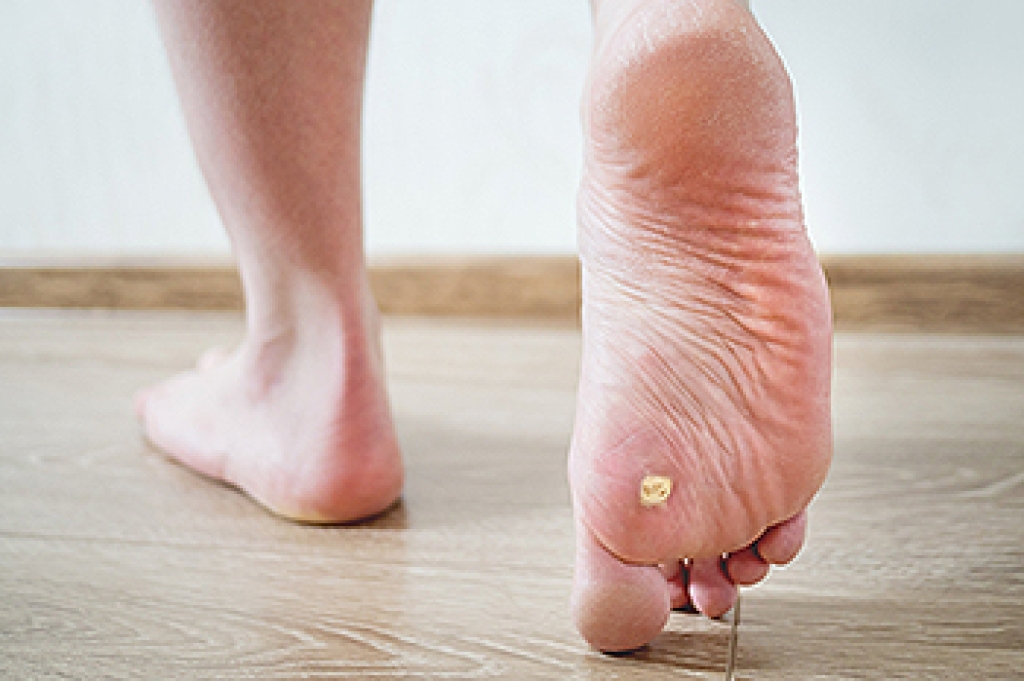
Plantar warts, which affect the bottom of the feet, can resolve naturally or may require treatment. Caused by the human papillomavirus, or HPV, these warts thrive in warm and moist environments, such as locker rooms. HPV enters the body through cuts or scrapes, making those individuals with weakened immune systems more susceptible. Symptoms can include pain, tenderness, and thickened or discolored skin. Diagnosis by a podiatrist is recommended, especially if the wart causes pain or spreads. Treatment options range from salicylic acid to cryotherapy by a podiatrist. Consistency is key, as most treatments can take weeks to be effective. Prevention strategies include wearing protective footwear in shared spaces and considering the HPV vaccine for those under 26. If you or your child suffers from discomfort from a plantar wart, it is suggested that you schedule an appointment with a podiatrist for evaluation and care.

Plantar warts can be very uncomfortable. If you need your feet checked, contact Kenneth Donovan, DPM from Advanced Care Foot and Ankle. Our doctor will assist you with all of your foot and ankle needs.

About Plantar Warts

Plantar warts are the result of HPV, or human papillomavirus, getting into open wounds on the feet. They are mostly found on the heels or balls of the feet.

While plantar warts are generally harmless, those experiencing excessive pain or those suffering from diabetes or a compromised immune system require immediate medical care. Plantar warts are easily diagnosed, usually through scraping off a bit of rough skin or by getting a biopsy.

Symptoms

  • Lesions on the bottom of your feet, usually rough and grainy
  • Hard or thick callused spots
  • Wart seeds, which are small clotted blood vessels that look like little black spots
  • Pain, discomfort, or tenderness of your feet when walking or standing

Treatment

  • Freezing
  • Electric tool removal
  • Laser Treatment
  • Topical Creams (prescription only)
  • Over-the-counter medications

To help prevent developing plantar warts, avoid walking barefoot over abrasive surfaces that can cause cuts or wounds for HPV to get into. Avoiding direct contact with other warts, as well as not picking or rubbing existing warts, can help prevent the further spread of plantar warts. However, if you think you have developed plantar warts, speak to your podiatrist. He or she can diagnose the warts on your feet and recommend the appropriate treatment options.

If you have any questions, please feel free to contact our office located in Charleston, SC . We offer the newest diagnostic and treatment technologies for all your foot care needs.

Read more about All About Plantar Warts

Wounds That Don't Heal Need to Be Checked

Your feet are covered most of the day. If you're diabetic, periodic screening is important for good health. Numbness is often a sign of diabetic foot and can mask a sore or wound.

Exploring the Muscles and Bones of the Feet

The feet, intricate structures that are comprised of numerous bones and muscles, play a vital role in mobility and stability. Among the key bones are the tarsals, metatarsals, and phalanges, forming the arches and providing support for the body's weight. Ligaments connect these bones, offering stability and flexibility during movement. The muscles of the feet, categorized into intrinsic and extrinsic groups, facilitate intricate movements necessary for walking, running, and balancing. Intrinsic muscles, found within the foot, control fine movements of the toes and arches, while extrinsic muscles, originating in the lower leg, aid in broader movements such as dorsiflexion and plantarflexion. Together, these muscles and bones work harmoniously to absorb shock, distribute pressure, and maintain proper alignment during various activities. Understanding the anatomy and function of the feet is essential for preventing injuries and optimizing performance in everyday tasks and physical activities. By nurturing foot health through wearing proper footwear, stretching, and strengthening exercises, individuals can ensure the longevity and functionality of their feet for years to come. If you would like additional information about how the bones and muscles in the feet work in harmony, it is suggested that you consult a podiatrist who can provide you with the knowledge you are seeking.

If you have any concerns about your feet, contact Kenneth Donovan, DPM from Advanced Care Foot and Ankle. Our doctor can provide the care you need to keep you pain-free and on your feet.

Biomechanics in Podiatry

Podiatric biomechanics is a particular sector of specialty podiatry with licensed practitioners who are trained to diagnose and treat conditions affecting the foot, ankle and lower leg. Biomechanics deals with the forces that act against the body, causing an interference with the biological structures. It focuses on the movement of the ankle, the foot and the forces that interact with them.

A History of Biomechanics

  • Biomechanics dates back to the BC era in Egypt where evidence of professional foot care has been recorded.
  • In 1974, biomechanics gained a higher profile from the studies of Merton Root, who claimed that by changing or controlling the forces between the ankle and the foot, corrections or conditions could be implemented to gain strength and coordination in the area.

Modern technological improvements are based on past theories and therapeutic processes that provide a better understanding of podiatric concepts for biomechanics. Computers can provide accurate information about the forces and patterns of the feet and lower legs.

Understanding biomechanics of the feet can help improve and eliminate pain, stopping further stress to the foot.

If you have any questions please feel free to contact our office located in Charleston, SC . We offer the newest diagnostic and treatment technologies for all your foot and ankle needs.

Read more about The Importance of Biomechanics in Podiatry

Diabetic Ulcers and Wound Care

Diabetic foot ulcers are a severe problem for people with diabetes and can lead to serious health issues, such as amputations. To treat diabetic foot ulcers, podiatrists typically use methods like cleaning the wound, using special dressings, taking care of the patient's overall health, and checking blood vessels. There is ongoing research that explores additional treatments to speed up healing and reduce the need for amputations. These extra treatments include things like specific types of dressings, oxygen therapy, and growth factors. More research is needed to confirm their effectiveness. If you suffer from diabetic foot ulcers, it is strongly suggested that you are under the care of a podiatrist who can perform regular foot exams. Treating these types of ulcers as early as possible is essential to an easier healing process.

Wound care is an important part in dealing with diabetes. If you have diabetes and a foot wound or would like more information about wound care for diabetics, consult with Kenneth Donovan, DPM from Advanced Care Foot and Ankle. Our doctor will assess your condition and provide you with quality foot and ankle treatment.

What Is Wound Care?

Wound care is the practice of taking proper care of a wound. This can range from the smallest to the largest of wounds. While everyone can benefit from proper wound care, it is much more important for diabetics. Diabetics often suffer from poor blood circulation which causes wounds to heal much slower than they would in a non-diabetic. 

What Is the Importance of Wound Care?

While it may not seem apparent with small ulcers on the foot, for diabetics, any size ulcer can become infected. Diabetics often also suffer from neuropathy, or nerve loss. This means they might not even feel when they have an ulcer on their foot. If the wound becomes severely infected, amputation may be necessary. Therefore, it is of the upmost importance to properly care for any and all foot wounds.

How to Care for Wounds

The best way to care for foot wounds is to prevent them. For diabetics, this means daily inspections of the feet for any signs of abnormalities or ulcers. It is also recommended to see a podiatrist several times a year for a foot inspection. If you do have an ulcer, run the wound under water to clear dirt from the wound; then apply antibiotic ointment to the wound and cover with a bandage. Bandages should be changed daily and keeping pressure off the wound is smart. It is advised to see a podiatrist, who can keep an eye on it.

If you have any questions please contact our office located in Charleston, SC . We offer the newest diagnostic and treatment technologies for all your foot and ankle needs.

Read more about Wound Care

Defining Foot Blisters and Their Origins

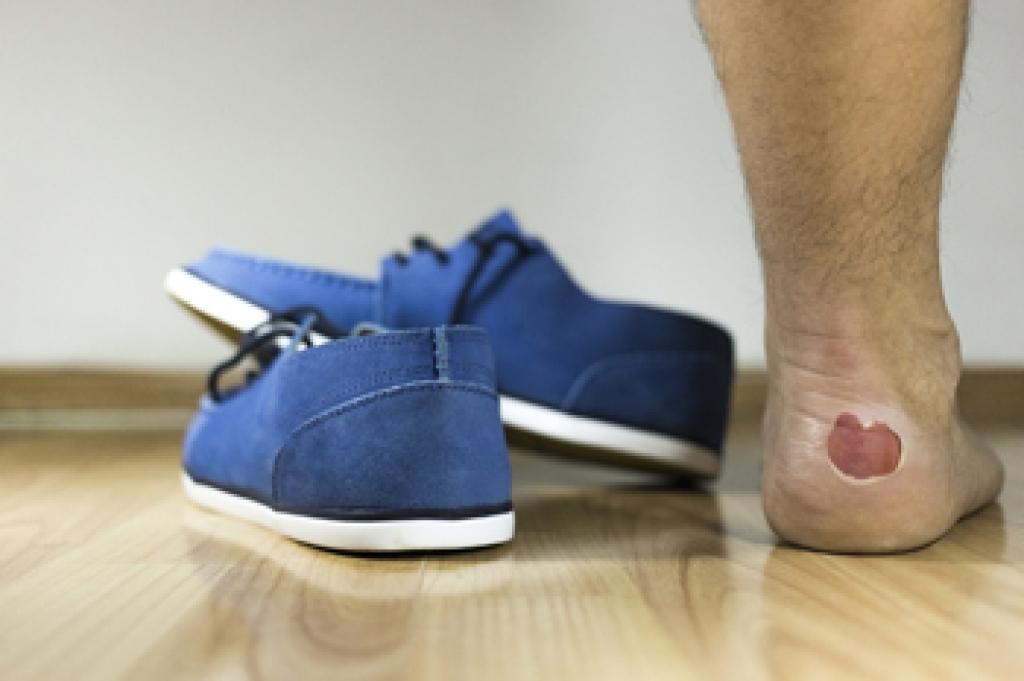
Foot blisters are defined as fluid-filled sacs that form on the skin, and are often encountered during daily activities or as a result of wearing ill-fitting footwear. They develop as a result of friction or repeated rubbing, which separates the layers of skin, creating a pocket of clear fluid. Several factors can contribute to the formation of foot blisters. Tight or improperly fitting shoes can lead to excessive rubbing, especially while walking or running. Moisture, such as sweat or wet conditions, softens the skin and makes it more prone to blistering. Certain materials consisting of rough socks or shoes, can exacerbate the problem. Additionally, activities that place excessive stress on the feet, like hiking or long-distance running, are common culprits. Understanding the definition and causes of foot blisters can help you take preventive measures. If you have blisters on your feet, it is suggested that you contact a podiatrist who can safely treat them and guide you on blister-prevention tactics. 

Blisters may appear as a single bubble or in a cluster. They can cause a lot of pain and may be filled with pus, blood, or watery serum. If your feet are hurting, contact Kenneth Donovan, DPM of Advanced Care Foot and Ankle. Our doctor can provide the care you need to keep you pain-free and on your feet.

Foot Blisters

Foot blisters are often the result of friction. This happens due to the constant rubbing from shoes, which can lead to pain.

What Are Foot Blisters?

A foot blister is a small fluid-filled pocket that forms on the upper-most layer of the skin. Blisters are filled with clear fluid and can lead to blood drainage or pus if the area becomes infected.

Symptoms

(Blister symptoms may vary depending on what is causing them)

  • Bubble of skin filled with fluid
  • Redness
  • Moderate to severe pain
  • Itching

Prevention & Treatment

In order to prevent blisters, you should be sure to wear comfortable shoes with socks that cushion your feet and absorb sweat. Breaking a blister open may increase your chances of developing an infection. However, if your blister breaks, you should wash the area with soap and water immediately and then apply a bandage to the affected area. If your blisters cause severe pain it is important that you call your podiatrist right away.

If you have any questions, please feel free to contact our office located in Charleston, SC . We offer the newest diagnostic and treatment technologies for all your foot care needs.

Read more about Blisters on the Feet

Connect With Us