Why Ankles Pop and When to Seek Help

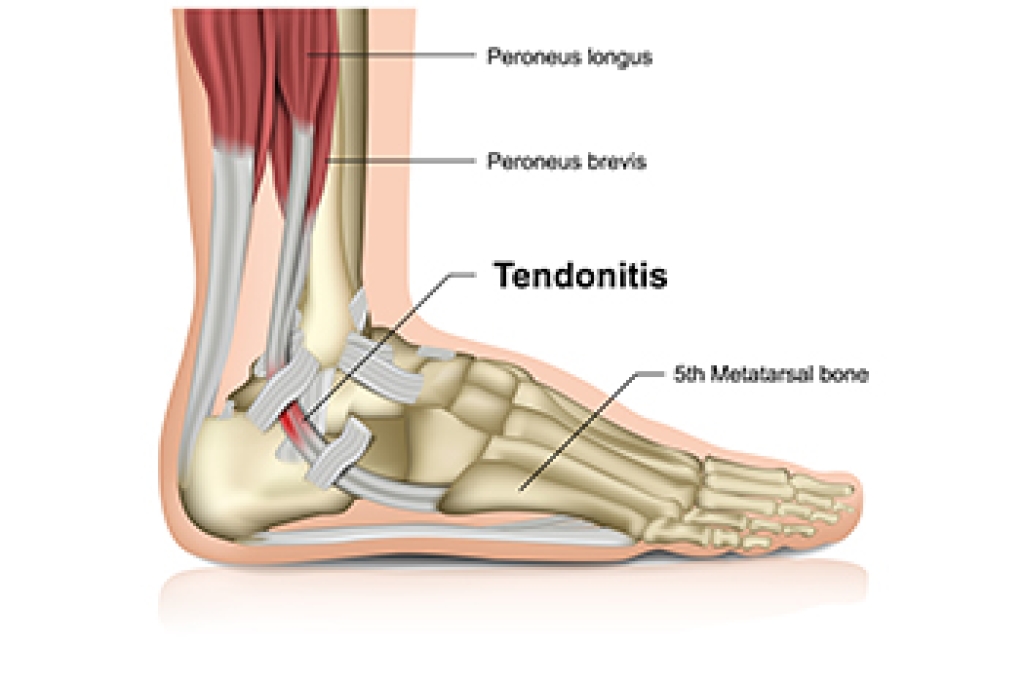
Popping ankles refer to the clicking or snapping sounds that occur during movement of the joint. This may happen when tendons or ligaments shift slightly over bone or when gas bubbles form and release within the joint fluid. Causes include repetitive motion, previous injuries, or natural joint structure. Risk factors like weak muscles, loose ligaments, or arthritis can increase the chance of persistent popping and discomfort. While occasional popping may be harmless, frequent or painful episodes should not be ignored. A podiatrist can evaluate ankle function, identify underlying causes, and recommend strengthening and stretching exercises or other treatment options. If popping ankles are affecting your daily activities, it is suggested that you schedule an appointment with a podiatrist to restore comfort and mobility.

Ankle pain can have many different causes and the pain may potentially be serious. If you have ankle pain, consult with Kenneth Donovan, DPM from Advanced Care Foot and Ankle. Our doctor will assess your condition and provide you with quality foot and ankle treatment.

Ankle pain is any condition that causes pain in the ankle. Due to the fact that the ankle consists of tendons, muscles, bones, and ligaments, ankle pain can come from a number of different conditions.

Causes

The most common causes of ankle pain include:

  • Types of arthritis (rheumatoid, osteoarthritis, and gout)
  • Ankle sprains
  • Broken ankles
  • Achilles tendinitis
  • Achilles tendon rupture
  • Stress fractures
  • Tarsal tunnel syndrome
  • Plantar fasciitis

Symptoms

Symptoms of ankle injury vary based upon the condition. Pain may include general pain and discomfort, swelling, aching, redness, bruising, burning or stabbing sensations, and/or loss of sensation.

Diagnosis

Due to the wide variety of potential causes of ankle pain, podiatrists will utilize a number of different methods to properly diagnose ankle pain. This can include asking for personal and family medical histories and of any recent injuries. Further diagnosis may include sensation tests, a physical examination, and potentially x-rays or other imaging tests.

Treatment

Just as the range of causes varies widely, so do treatments. Some more common treatments are rest, ice packs, keeping pressure off the foot, orthotics and braces, medication for inflammation and pain, and surgery.

If you have any questions please feel free to contact our office located in Charleston, SC . We offer the newest diagnostic tools and technology to treat your foot and ankle needs.

Read more about Ankle Pain

Understanding Foot Drop

Foot drop is a condition that causes difficulty lifting the front part of the foot, resulting in dragging or slapping the foot while walking. This can lead to an abnormal gait and increase the risk of tripping or falling. Common symptoms include weakness or paralysis of the muscles that lift the foot, numbness, tingling, or a heavy feeling in the affected leg. Causes of foot drop include nerve injury, muscle disorders, stroke, or compression of the peroneal nerve near the knee. The foot may appear to drag or drop when lifted, and individuals may raise their knee higher than normal to avoid tripping. A podiatrist can diagnose foot drop by assessing muscle strength, nerve function, and walking patterns. Treatment options may include targeted exercises, bracing, or surgery, depending on the cause and severity. It is suggested that you make an appointment with a podiatrist to receive an accurate diagnosis and personalized treatment plan.

If you have any concerns about your feet, contact Kenneth Donovan, DPM from Advanced Care Foot and Ankle. Our doctor can provide the care you need to keep you pain-free and on your feet.

Biomechanics in Podiatry

Podiatric biomechanics is a particular sector of specialty podiatry with licensed practitioners who are trained to diagnose and treat conditions affecting the foot, ankle and lower leg. Biomechanics deals with the forces that act against the body, causing an interference with the biological structures. It focuses on the movement of the ankle, the foot and the forces that interact with them.

A History of Biomechanics

  • Biomechanics dates back to the BC era in Egypt where evidence of professional foot care has been recorded.
  • In 1974, biomechanics gained a higher profile from the studies of Merton Root, who claimed that by changing or controlling the forces between the ankle and the foot, corrections or conditions could be implemented to gain strength and coordination in the area.

Modern technological improvements are based on past theories and therapeutic processes that provide a better understanding of podiatric concepts for biomechanics. Computers can provide accurate information about the forces and patterns of the feet and lower legs.

Understanding biomechanics of the feet can help improve and eliminate pain, stopping further stress to the foot.

If you have any questions please feel free to contact our office located in Charleston, SC . We offer the newest diagnostic and treatment technologies for all your foot and ankle needs.

Read more about The Importance of Biomechanics in Podiatry

Recognizing Symptoms of Fungal Toenails

Toenail fungus, also known as onychomycosis, is a common condition that affects the appearance and health of the toenails. It often begins as a white or yellow spot under the nail and can spread deeper, causing the nail to thicken and become discolored, brittle, or distorted in shape. In some cases, the nail may separate from the nail bed and emit an unpleasant odor. It may feel uncomfortable or painful, especially when wearing shoes. Causes include exposure to warm, moist environments, such as locker rooms or public showers, wearing sweaty shoes, nail injuries, or having a weakened immune system. A podiatrist can diagnose toenail fungus through a physical exam and lab testing. Treatment options include topical or oral antifungal medications or removing the affected nail. Early treatment improves results and helps prevent the infection from spreading. It is suggested that you make an appointment with a podiatrist at the first sign of toenail changes or discomfort.

If left untreated, toenail fungus may spread to other toenails, skin, or even fingernails. If you suspect you have toenail fungus it is important to seek treatment right away. For more information about treatment, contact Kenneth Donovan, DPM of Advanced Care Foot and Ankle. Our doctor can provide the care you need to keep you pain-free and on your feet.

Symptoms

  • Warped or oddly shaped nails
  • Yellowish nails
  • Loose/separated nail
  • Buildup of bits and pieces of nail fragments under the nail
  • Brittle, broken, thickened nail

Treatment

If self-care strategies and over-the-counter medications does not help your fungus, your podiatrist may give you a prescription drug instead. Even if you find relief from your toenail fungus symptoms, you may experience a repeat infection in the future.

Prevention

In order to prevent getting toenail fungus in the future, you should always make sure to wash your feet with soap and water. After washing, it is important to dry your feet thoroughly especially in between the toes. When trimming your toenails, be sure to trim straight across instead of in a rounded shape. It is crucial not to cover up discolored nails with nail polish because that will prevent your nail from being able to “breathe”.

In some cases, surgical procedure may be needed to remove the toenail fungus. Consult with your podiatrist about the best treatment options for your case of toenail fungus.  

If you have any questions please contact our office located in Charleston, SC . We offer the newest diagnostic and treatment technologies for all your foot and ankle needs.

Read more about Toenail Fungus

Possible Relief From Heel Spurs

A small growth on the bottom of the heel bone may indicate a heel spur. Patients who have plantar fasciitis may have heel spurs, and this affects the tendon that runs along the bottom of the foot. People who are afflicted with heel spurs often notice heel pain after arising in the morning, and mild relief may be found while walking. The pain may become worse if running or participating in sporting activities, and it is beneficial to rest and elevate the affected foot. It may be helpful to take anti-inflammatory medications which may partially reduce existing pain. If you have the symptoms of a heel spur, it is strongly suggested that you speak to a podiatrist who can recommend the correct treatment options for you, which may include custom-made orthotics.

Heel spurs can be incredibly painful and sometimes may make you unable to participate in physical activities. To get medical care for your heel spurs, contact Kenneth Donovan, DPM from Advanced Care Foot and Ankle. Our doctor will do everything possible to treat your condition.

Heels Spurs

Heel spurs are formed by calcium deposits on the back of the foot where the heel is. This can also be caused by small fragments of bone breaking off one section of the foot, attaching onto the back of the foot. Heel spurs can also be bone growth on the back of the foot and may grow in the direction of the arch of the foot.

Older individuals usually suffer from heel spurs and pain sometimes intensifies with age. One of the main condition's spurs are related to is plantar fasciitis.

Pain

The pain associated with spurs is often because of weight placed on the feet. When someone is walking, their entire weight is concentrated on the feet. Bone spurs then have the tendency to affect other bones and tissues around the foot. As the pain continues, the feet will become tender and sensitive over time.

Treatments

There are many ways to treat heel spurs. If one is suffering from heel spurs in conjunction with pain, there are several methods for healing. Medication, surgery, and herbal care are some options.

If you have any questions, please feel free to contact our office located in Charleston, SC . We offer the newest diagnostic and treatment technologies for all your foot care needs.

Read more about How to Treat Heel Spurs

Understanding Sources of Toe Pain

Toe pain can result from several conditions, with gout, hammertoe, and bunions being among the most common. Gout is caused by a buildup of uric acid, leading to sudden, intense joint pain, redness, and swelling, often in the big toe. Hammertoes develop when a toe bends abnormally at the middle joint due to muscle imbalance, causing discomfort, corns, or calluses. Bunions form when the big toe shifts inward, creating a painful bump on the side of the foot. These conditions may cause sharp, throbbing, or aching pain, along with visible changes in toe alignment or swelling. They can make walking, wearing shoes, or standing for long periods of time difficult. A podiatrist can diagnose the exact cause of toe pain through a physical examination and imaging tests. Treatment options include medication, orthotics, footwear changes, or, in some cases, surgery. If you have ongoing toe pain, it is suggested that you schedule an appointment with a podiatrist to find the most effective solution for lasting relief.

Toe pain can disrupt your daily activities. If you have any concerns, contact Kenneth Donovan, DPM of Advanced Care Foot and Ankle. Our doctor can provide the care you need to keep you pain-free and on your feet.

What Causes Toe Pain?

Most severe toe pain is caused due to a sports injury, trauma from dropping something heavy on the toe, or bumping into something rigid. Other problems can develop over time for various reasons.

Toe pain can be caused by one or more ailments. The most common include:

  • Trauma
  • Sports injury
  • Wearing shoes that are too tight
  • Arthritis
  • Gout
  • Corns and calluses
  • Hammertoe
  • Bunions
  • Blisters
  • Ingrown toenails
  • Sprains
  • Fractures (broken bones)
  • Dislocations

When to See a Podiatrist

  • Severe pain
  • Persistent pain that lasts more than a week
  • Signs of infection
  • Continued swelling
  • Pain that prevents walking

Diagnosis

In many cases the cause of toe pain is obvious, but in others, a podiatrist may want to use more advanced methods to determine the problem. These can range from simple visual inspections and sensation tests to X-rays and MRI scans. Prior medical history, family medical history, and any recent physical traumatic events will all be taken into consideration for a proper diagnosis.

Treatment

Treatments for toe pain and injuries vary and may include shoe inserts, padding, taping, medicines, injections, and in some cases, surgery. If you believe that you have broken a toe, please see a podiatrist as soon as possible.

If you have any questions please contact our office located in Charleston, SC . We offer the newest diagnostic and treatment technologies for all your foot and ankle needs.

Read more about Toe Pain

Wounds That Don't Heal Need to Be Checked

Your feet are covered most of the day. If you're diabetic, periodic screening is important for good health. Numbness is often a sign of diabetic foot and can mask a sore or wound.

Taking Care of Your Athlete’s Foot

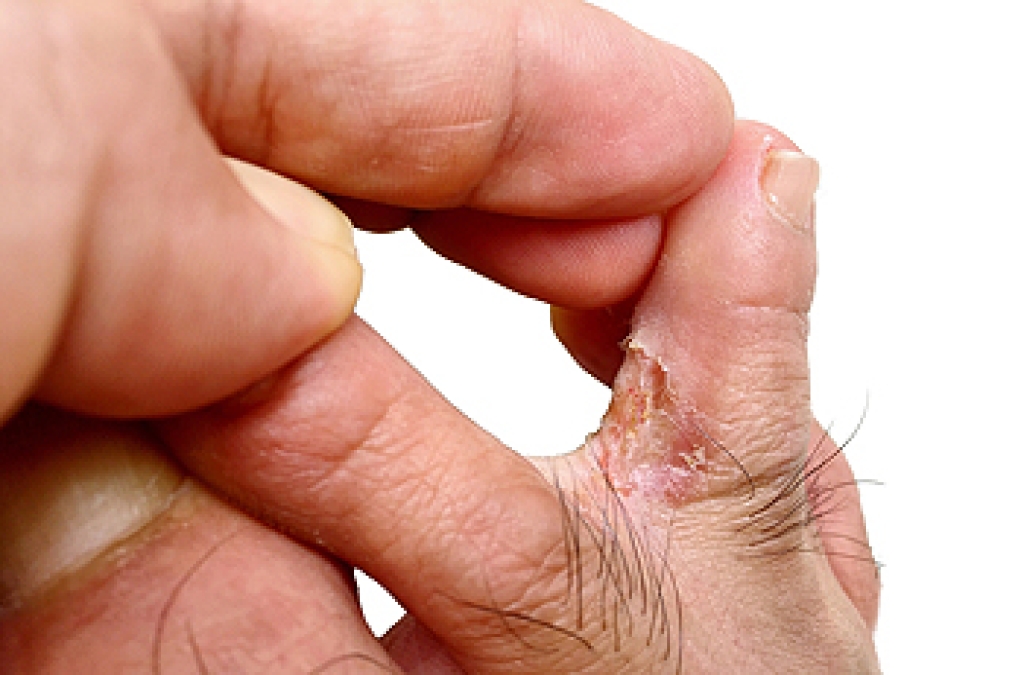
Athlete's foot, or tinea pedis, is a common fungal infection that affects the skin on the feet, especially between the toes. It is caused by fungi that thrive in warm, moist environments, such as locker rooms, public showers, and sweaty shoes. Symptoms include itching, burning, peeling, or cracked skin, and blisters or an unpleasant odor may develop. The condition can spread to other parts of the body, or to others through direct contact or contaminated surfaces. It may feel uncomfortable and become painful if left untreated. A podiatrist can diagnose athlete's foot through a physical exam and possibly a skin scraping to confirm the presence of fungus. Treatment may include topical antifungal creams, oral medications for severe cases, and advice on hygiene and prevention. A podiatrist can also rule out other skin conditions with similar symptoms. If you are experiencing persistent foot irritation or skin changes, it is suggested that you schedule an appointment with a podiatrist for an accurate diagnose and appropriate care.

Athlete’s Foot

Athlete’s foot is often an uncomfortable condition to experience. Thankfully, podiatrists specialize in treating athlete’s foot and offer the best treatment options. If you have any questions about athlete’s foot, consult with Kenneth Donovan, DPM from Advanced Care Foot and Ankle. Our doctor will assess your condition and provide you with quality treatment.

What Is Athlete’s Foot?

Tinea pedis, more commonly known as athlete’s foot, is a non-serious and common fungal infection of the foot. Athlete’s foot is contagious and can be contracted by touching someone who has it or infected surfaces. The most common places contaminated by it are public showers, locker rooms, and swimming pools. Once contracted, it grows on feet that are left inside moist, dark, and warm shoes and socks.

Prevention

The most effective ways to prevent athlete’s foot include:

  • Thoroughly washing and drying feet
  • Avoid going barefoot in locker rooms and public showers
  • Using shower shoes in public showers
  • Wearing socks that allow the feet to breathe
  • Changing socks and shoes frequently if you sweat a lot

Symptoms

Athlete’s foot initially occurs as a rash between the toes. However, if left undiagnosed, it can spread to the sides and bottom of the feet, toenails, and if touched by hand, the hands themselves. Symptoms include:

  • Redness
  • Burning
  • Itching
  • Scaly and peeling skin

Diagnosis and Treatment

Diagnosis is quick and easy. Skin samples will be taken and either viewed under a microscope or sent to a lab for testing. Sometimes, a podiatrist can diagnose it based on simply looking at it. Once confirmed, treatment options include oral and topical antifungal medications.

If you have any questions, please feel free to contact our office located in Charleston, SC . We offer the newest diagnostic and treatment technologies for all your foot care needs.

Read more about Athlete's Foot

The Hidden Bursa Behind Your Heel

Retrocalcaneal bursitis is a painful condition that affects the small fluid-filled sac located between the heel bone and the Achilles tendon. This bursa helps reduce friction, but when it becomes inflamed, every step can feel uncomfortable. The pain is usually felt at the back of the heel, especially when walking, running, or wearing tight shoes that put pressure on the area. Swelling, tenderness, and stiffness surrounding the heel are also common signs. The condition often develops from overuse, repetitive stress, or footwear that irritates the heel. Athletes and individuals who spend long hours on their feet may be more prone to bursitis. Treatment may involve rest,  heel lifts, or changes in footwear to reduce pressure on the tendon and bursa. If pain persists, it is suggested that you see a podiatrist who can provide custom orthotics, targeted exercise, or other advanced treatments to restore comfort.

Many people suffer from bouts of heel pain. For more information, contact Kenneth Donovan, DPM of Advanced Care Foot and Ankle. Our doctor can provide the care you need to keep you pain-free and on your feet.

Causes of Heel Pain

Heel pain is often associated with plantar fasciitis. The plantar fascia is a band of tissues that extends along the bottom of the foot. A rip or tear in this ligament can cause inflammation of the tissue.

Achilles tendonitis is another cause of heel pain. Inflammation of the Achilles tendon will cause pain from fractures and muscle tearing. Lack of flexibility is also another symptom.

Heel spurs are another cause of pain. When the tissues of the plantar fascia undergo a great deal of stress, it can lead to ligament separation from the heel bone, causing heel spurs.

Why Might Heel Pain Occur?

  • Wearing ill-fitting shoes                
  • Wearing non-supportive shoes
  • Weight change           
  • Excessive running

Treatments

Heel pain should be treated as soon as possible for immediate results. Keeping your feet in a stress-free environment will help. If you suffer from Achilles tendonitis or plantar fasciitis, applying ice will reduce the swelling. Stretching before an exercise like running will help the muscles. Using all these tips will help make heel pain a condition of the past.

If you have any questions, please feel free to contact our office located in Charleston, SC . We offer the newest diagnostic and treatment technologies for all your foot care needs.

Read more about Heel Pain

Achilles Tendonitis and How to Find Relief

Achilles tendonitis is inflammation of the tendon connecting the calf muscles to the heel bone. It is often caused by overuse, sudden increases in physical activity, or wearing unsupportive footwear. Common symptoms include heel or lower leg pain, stiffness, and swelling, especially after periods of rest or intense movement. Risk factors include having tight calf muscles, flat feet, and repetitive stress from running or jumping. A podiatrist can diagnose the condition and create a personalized treatment plan that may include stretching exercises, proper footwear, orthotics, or advanced therapies to reduce inflammation. If you have any of the above symptoms, it is strongly suggested that you promptly consult a podiatrist who can accurately diagnose and treat Achilles tendon injuries.

Achilles tendon injuries need immediate attention to avoid future complications. If you have any concerns, contact Kenneth Donovan, DPM of Advanced Care Foot and Ankle. Our doctor can provide the care you need to keep you pain-free and on your feet.

What Is the Achilles Tendon?

The Achilles tendon is a tendon that connects the lower leg muscles and calf to the heel of the foot. It is the strongest tendon in the human body and is essential for making movement possible. Because this tendon is such an integral part of the body, any injuries to it can create immense difficulties and should immediately be presented to a doctor.

What Are the Symptoms of an Achilles Tendon Injury?

There are various types of injuries that can affect the Achilles tendon. The two most common injuries are Achilles tendinitis and ruptures of the tendon.

Achilles Tendinitis Symptoms

  • Inflammation
  • Dull to severe pain
  • Increased blood flow to the tendon
  • Thickening of the tendon

Rupture Symptoms

  • Extreme pain and swelling in the foot
  • Total immobility

Treatment and Prevention

Achilles tendon injuries are diagnosed by a thorough physical evaluation, which can include an MRI. Treatment involves rest, physical therapy, and in some cases, surgery. However, various preventative measures can be taken to avoid these injuries, such as:

  • Thorough stretching of the tendon before and after exercise
  • Strengthening exercises like calf raises, squats, leg curls, leg extensions, leg raises, lunges, and leg presses

If you have any questions please feel free to contact our office located in Charleston, SC . We offer the newest diagnostic tools and technology to treat your foot and ankle needs.

Read more about The Causes, Types, and Treatments of Achilles Tendon Injuries

How Peripheral Neuropathy Affects the Feet

Peripheral neuropathy is a condition that causes nerve damage, frequently affecting the feet. It often occurs in people with diabetes due to high blood sugar levels, which can damage both nerves and the small blood vessels that supply them. Symptoms of peripheral neuropathy include burning, tingling, numbness, pain, and weakness in the feet, with these sensations often intensifying at night. Peripheral neuropathy can lead to difficulty walking, loss of balance, and a reduced ability to sense pain or temperature in the feet. As feeling diminishes, there is a higher risk of unnoticed injuries that could develop into foot ulcers or become infected. A podiatrist can help manage these issues by conducting a thorough foot exam, checking sensation, and suggesting treatment options. If you are experiencing symptoms of neuropathy in the feet, it is suggested that you schedule an appointment with a podiatrist for relief and treatment solutions.

Neuropathy

Neuropathy can be a potentially serious condition, especially if it is left undiagnosed. If you have any concerns that you may be experiencing nerve loss in your feet, consult with Kenneth Donovan, DPM from Advanced Care Foot and Ankle. Our doctor will assess your condition and provide you with quality foot and ankle treatment for neuropathy.

What Is Neuropathy?

Neuropathy is a condition that leads to damage to the nerves in the body. Peripheral neuropathy, or neuropathy that affects your peripheral nervous system, usually occurs in the feet. Neuropathy can be triggered by a number of different causes. Such causes include diabetes, infections, cancers, disorders, and toxic substances.

Symptoms of Neuropathy Include:

  • Numbness
  • Sensation loss
  • Prickling and tingling sensations
  • Throbbing, freezing, burning pains
  • Muscle weakness

Those with diabetes are at serious risk due to being unable to feel an ulcer on their feet. Diabetics usually also suffer from poor blood circulation. This can lead to the wound not healing, infections occurring, and the limb may have to be amputated.

Treatment

To treat neuropathy in the foot, podiatrists will first diagnose the cause of the neuropathy. Figuring out the underlying cause of the neuropathy will allow the podiatrist to prescribe the best treatment, whether it be caused by diabetes, toxic substance exposure, infection, etc. If the nerve has not died, then it’s possible that sensation may be able to return to the foot.

Pain medication may be issued for pain. Electrical nerve stimulation can be used to stimulate nerves. If the neuropathy is caused from pressure on the nerves, then surgery may be necessary.

If you have any questions, please feel free to contact our office located in Charleston, SC . We offer the newest diagnostic and treatment technologies for all your foot care needs.

Read more about Neuropathy

Connect With Us