
Do you work on your feet all day and find your feet in pain? Don't go to work in pain each day. Your foot pain can be treated, and we can help.
Do you work on your feet all day and find your feet in pain? Don't go to work in pain each day. Your foot pain can be treated, and we can help.

Sharp heel pain and general foot pain can result from several conditions. Plantar fasciitis, a common cause, is characterized by inflammation of the thick band of tissue running along the bottom of the foot. Bursitis, the inflammation of fluid-filled sacs that cushion the bones, can also lead to significant foot pain. Gout, a form of arthritis resulting from the accumulation of uric acid crystals, often causes sudden and intense discomfort in the big toe or ankle. Tarsal tunnel syndrome, involving compression of the tibial nerve, can create sharp, tingling pain extending into the arch. Additionally, heel spurs, which are bony growths on the underside of the heel, can cause stabbing pain, especially while walking or standing. If you have any type of foot pain, it is suggested that you consult a podiatrist who can determine the cause and offer treatment options.
Foot Pain
Foot pain can be extremely painful and debilitating. If you have a foot pain, consult with Kenneth Donovan, DPM from Advanced Care Foot and Ankle. Our doctor will assess your condition and provide you with quality foot and ankle treatment.
Causes
Foot pain is a very broad condition that could be caused by one or more ailments. The most common include:
Diagnosis
To figure out the cause of foot pain, podiatrists utilize several different methods. This can range from simple visual inspections and sensation tests to X-rays and MRI scans. Prior medical history, family medical history, and any recent physical traumatic events will all be taken into consideration for a proper diagnosis.
Treatment
Treatment depends upon the cause of the foot pain. Whether it is resting, staying off the foot, or having surgery; podiatrists have a number of treatment options available for foot pain.
If you have any questions, please feel free to contact our office located in Charleston, SC . We offer the newest diagnostic and treatment technologies for all your foot care needs.
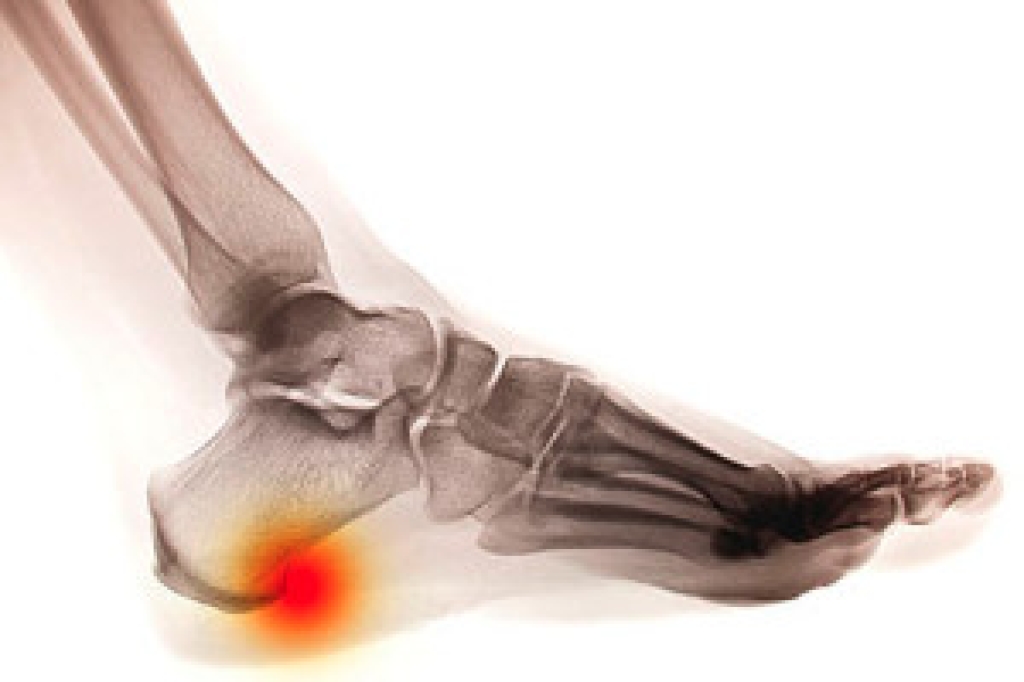
Heel spurs are calcium deposits that develop on the underside of the heel bone, often without causing any discomfort. However, when the plantar fascia ligament, which connects the heel to the toes, undergoes excessive tension or strain, it can become inflamed. This may lead to a condition known as plantar fasciitis, which can cause the heel spur to press into the swollen ligament and cause significant pain. While heel spurs themselves are generally painless, they frequently accompany plantar fasciitis, with about 70 percent of cases showing the presence of a heel spur. Preventative measures include wearing shoes with proper arch support, using heel pads, maintaining a healthy weight, and performing calf stretches before engaging in strenuous activities. A podiatrist can provide a comprehensive treatment plan tailored to your specific needs, which may include custom orthotics, physical therapy, and recommendations for supportive footwear. Surgery may be needed to address severe cases, though it carries risks such as increased pain, nerve damage, and fallen arches. If you are experiencing heel pain, it is suggested that you make an appointment with a podiatrist for an exam and treatment.
Heel spurs can be incredibly painful and sometimes may make you unable to participate in physical activities. To get medical care for your heel spurs, contact Kenneth Donovan, DPM from Advanced Care Foot and Ankle. Our doctor will do everything possible to treat your condition.
Heels Spurs
Heel spurs are formed by calcium deposits on the back of the foot where the heel is. This can also be caused by small fragments of bone breaking off one section of the foot, attaching onto the back of the foot. Heel spurs can also be bone growth on the back of the foot and may grow in the direction of the arch of the foot.
Older individuals usually suffer from heel spurs and pain sometimes intensifies with age. One of the main condition's spurs are related to is plantar fasciitis.
Pain
The pain associated with spurs is often because of weight placed on the feet. When someone is walking, their entire weight is concentrated on the feet. Bone spurs then have the tendency to affect other bones and tissues around the foot. As the pain continues, the feet will become tender and sensitive over time.
Treatments
There are many ways to treat heel spurs. If one is suffering from heel spurs in conjunction with pain, there are several methods for healing. Medication, surgery, and herbal care are some options.
If you have any questions, please feel free to contact our office located in Charleston, SC . We offer the newest diagnostic and treatment technologies for all your foot care needs.

Stress fractures, common to runners and other athletes, result in placing excessive strain on the foot bones. One significant cause of stress fractures is a sudden increase in physical activity, whether it involves frequency, duration, or intensity. Transitioning from soft surfaces such as indoor tracks to harder ones like sidewalks can stress the bones of the feet. Improper technique due to foot conditions like blisters or bunions can also contribute by altering the foot's natural movement patterns and redistributing weight unevenly. Footwear that is poorly fitting, worn-out, or lacking proper support significantly increases the risk of stress fractures. While athletes commonly experience these injuries, non-athletes are also susceptible from extended walking on uneven terrain during vacations. Other risk factors for foot stress fractures, including osteoporosis, which reduces bone density and strength, as well as low vitamin D levels. Female athletes face other risks, possibly due to biomechanical differences, hormonal factors, and nutritional deficiencies. If you are experiencing pain in your foot after activity, it is suggested that you schedule an appointment with a podiatrist for appropriate testing and treatment options.
Stress fractures occur when there is a tiny crack within a bone. To learn more, contact Kenneth Donovan, DPM from Advanced Care Foot and Ankle. Our doctor can provide the care you need to keep you pain free and on your feet.
How Are They Caused?
Stress fractures are the result of repetitive force being placed on the bone. Since the lower leg and feet often carry most of the body’s weight, stress fractures are likely to occur in these areas. If you rush into a new exercise, you are more likely to develop a stress fracture since you are starting too much, too soon. Pain resulting from stress fractures may go unnoticed at first, however it may start to worsen over time.
Risk Factors
Stress fractures do not always heal properly, so it is important that you seek help from a podiatrist if you suspect you may have one. Ignoring your stress fracture may cause it to worsen, and you may develop chronic pain as well as additional fractures.
If you have any questions please contact our office located in Charleston, SC . We offer the newest diagnostic and treatment technologies for all your foot and ankle needs.

Wearing high heels regularly can lead to various types of foot damage. The unnatural position of the foot in high heels places excessive pressure on the ball of the foot, which can result in metatarsalgia, a painful inflammation of the metatarsal region. High heels also force the toes into a cramped position, often leading to bunions, hammertoes, and other deformities. The elevated heel shifts the body's weight forward, altering posture and putting additional stress on the knees and lower back. This unnatural alignment can cause chronic pain and long-term joint issues. Additionally, the lack of proper support in high heels can contribute to plantar fasciitis, characterized by severe heel pain. The risk of ankle sprains and fractures is also higher due to the instability of walking in high heels. Over time, the cumulative effect of these issues can lead to significant and sometimes irreversible foot and musculoskeletal problems, emphasizing the importance of moderating high-heel use and opting for more supportive footwear. If you have developed foot pain and feel it may be from wearing high heels, it is suggested that you speak to a podiatrist who can offer you treatment solutions in addition to guiding you toward safer footwear.
High heels have a history of causing foot and ankle problems. If you have any concerns about your feet or ankles, contact Kenneth Donovan, DPM from Advanced Care Foot and Ankle. Our doctor can provide the care you need to keep you pain-free and on your feet.
Effects of High Heels on the Feet
High heels are popular shoes among women because of their many styles and societal appeal. Despite this, high heels can still cause many health problems if worn too frequently.
Which Parts of My Body Will Be Affected by High Heels?
What Kinds of Foot Problems Can Develop from Wearing High Heels?
How Can I Still Wear High Heels and Maintain Foot Health?
If you want to wear high heeled shoes, make sure that you are not wearing them every day, as this will help prevent long term physical problems. Try wearing thicker heels as opposed to stilettos to distribute weight more evenly across the feet. Always make sure you are wearing the proper shoes for the right occasion, such as sneakers for exercising. If you walk to work, try carrying your heels with you and changing into them once you arrive at work. Adding inserts to your heels can help cushion your feet and absorb shock. Full foot inserts or metatarsal pads are available.
If you have any questions, please feel free to contact our office located in Charleston, SC . We offer the newest diagnostic and treatment technologies for all your foot care needs.

Bunion surgery, or a bunionectomy, addresses the painful deformity at the base of the big toe. One common procedure is the realignment of ligaments, which involves adjusting the soft tissues surrounding the joint to correct the toe's position. Another type of bunion surgery is the removal of bone from the end of the first metatarsal bone. This technique reduces the bony bump and realigns the bone to alleviate discomfort. Fusion, or arthrodesis, is a more extensive option where the bones of the big toe joint are fused together. This method provides stability and is often used for severe bunions or arthritis. Each surgical approach aims to relieve pain, improve foot function, and prevent future issues. If you have a bunion that is causing you pain or discomfort, it is strongly suggested that you make an appointment with a podiatrist who can determine if surgery is right for you.
Foot surgery is sometimes necessary to treat a foot ailment. To learn more, contact Kenneth Donovan, DPM of Advanced Care Foot and Ankle. Our doctor will assist you with all of your foot and ankle needs.
When Is Surgery Necessary?
Foot and ankle surgery is generally reserved for cases in which less invasive, conservative procedures have failed to alleviate the problem. Some of the cases in which surgery may be necessary include:
What Types of Surgery Are There?
The type of surgery you receive will depend on the nature of the problem you have. Some of the possible surgeries include:
Benefits of Surgery
Although surgery is usually a last resort, it can provide more complete pain relief compared to non-surgical methods and may allow you to finally resume full activity.
Surgical techniques have also become increasingly sophisticated. Techniques like endoscopic surgery allow for smaller incisions and faster recovery times.
If you have any questions, please feel free to contact our office located in Charleston, SC . We offer the newest diagnostic and treatment technologies for all your foot care needs.

Custom orthotics, or shoe inserts, should be periodically replaced. Orthotics must fit properly to give you the best results. Protect your feet and ankles!
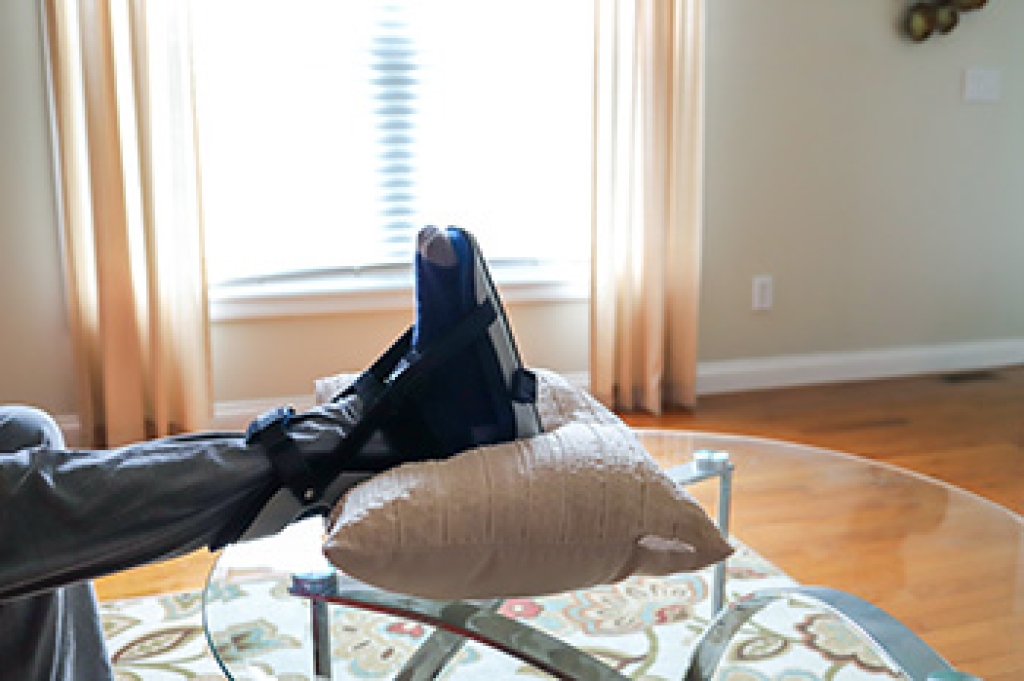 An ankle-foot orthosis, or AFO, is a brace designed to support the ankle and foot, improving stability and alignment. It works by restricting movement in specific directions, thereby aiding in mobility and reducing the risk of injury. AFOs are commonly prescribed for individuals with conditions such as cerebral palsy, stroke, multiple sclerosis, or severe ankle arthritis. They are also used for drop foot, where the individual has difficulty lifting the front part of the foot. Diagnosing the need for an AFO involves a thorough examination by a podiatrist, including medical history, physical assessment, and sometimes imaging studies to understand the underlying condition and its severity. There are various types of AFOs, including rigid AFOs for maximum support, articulated AFOs allowing controlled movement, and dynamic AFOs designed for more natural movement. If you suffer from ankle pain, it is suggested that you schedule an appointment with a podiatrist for a diagnosis and treatment. If an AFO will help you, this foot doctor can provide personalized advice and a proper fitting.
If you are having discomfort in your feet and would like to try orthotics, contact Kenneth Donovan, DPM from Advanced Care Foot and Ankle. Our doctor can provide the care you need to keep you pain-free and on your feet.
What Are Orthotics?
Orthotics are inserts you can place into your shoes to help with a variety of foot problems such as flat feet or foot pain. Orthotics provide relief and comfort for minor foot and heel pain but can’t correct serious biomechanical problems in your feet.
Over-the-Counter Inserts
Orthotics come in a wide variety of over-the-counter inserts that are used to treat foot pain, heel pain, and minor problems. For example, arch supports can be inserted into your shoes to help correct overarched or flat feet, while gel insoles are often used because they provide comfort and relief from foot and heel pain by alleviating pressure.
Prescription Orthotics
If over-the-counter inserts don’t work for you or if you have a more severe foot concern, it is possible to have your podiatrist prescribe custom orthotics. These high-quality inserts are designed to treat problems such as abnormal motion, plantar fasciitis, and severe forms of heel pain. They can even be used to help patients suffering from diabetes by treating foot ulcers and painful calluses and are usually molded to your feet individually, which allows them to provide full support and comfort.
If you are experiencing minor to severe foot or heel pain, it’s recommended to speak with your podiatrist about the possibilities of using orthotics. A podiatrist can determine which type of orthotic is right for you and allow you to take the first steps towards being pain-free.
If you have any questions, please feel free to contact our office located in Charleston, SC . We offer the newest diagnostic and treatment technologies for all your foot care needs.

Morton's neuroma, named after the American surgeon Thomas G. Morton who first described it in the 19th century, is a painful condition affecting the nerves in the foot. This benign growth typically forms between the third and fourth toes, resulting from compression or irritation of the interdigital nerve. The exact cause of Morton's neuroma remains elusive, but factors such as wearing tight or high-heeled shoes, engaging in repetitive high-impact activities, or foot deformities may contribute to its development. Symptoms of Morton's neuroma often include a sharp, burning pain or sensation of a lump or foreign object in the ball of the foot. Individuals may also experience numbness, tingling, or a feeling of walking on a pebble. As the condition progresses, discomfort may worsen and become more persistent, particularly during weight-bearing activities. If you have pain in this part of your foot, it may be Morton's neuroma, and it is suggested that you visit a podiatrist. This type of doctor can accurately diagnose and effectively treat this condition.
Morton’s neuroma is a very uncomfortable condition to live with. If you think you have Morton’s neuroma, contact Kenneth Donovan, DPM of Advanced Care Foot and Ankle. Our doctor will attend to all of your foot care needs and answer any of your related questions.
Morton’s Neuroma
Morton's neuroma is a painful foot condition that commonly affects the areas between the second and third or third and fourth toe, although other areas of the foot are also susceptible. Morton’s neuroma is caused by an inflamed nerve in the foot that is being squeezed and aggravated by surrounding bones.
What Increases the Chances of Having Morton’s Neuroma?
Morton’s neuroma is a very treatable condition. Orthotics and shoe inserts can often be used to alleviate the pain on the forefront of the feet. In more severe cases, corticosteroids can also be prescribed. In order to figure out the best treatment for your neuroma, it’s recommended to seek the care of a podiatrist who can diagnose your condition and provide different treatment options.
If you have any questions, please feel free to contact our office located in Charleston, SC . We offer the newest diagnostic and treatment technologies for all your foot care needs.

Skateboarding is an exhilarating activity that combines skill, balance, and adrenaline. However, it also comes with its fair share of risks, including the potential for ankle injuries. Ankle sprains occur when the ligaments supporting the ankle joint are overstretched or torn, often due to sudden twists or impacts. In skateboarding, these injuries commonly occur when riders land awkwardly after performing tricks or navigating uneven terrain. Factors such as inadequate footwear, lack of protective gear, and insufficient warm-up routines can further increase the risk of ankle sprains. While ankle sprains are typically mild to moderate injuries, they can still cause pain, swelling, and limited mobility, potentially sidelining skaters for weeks or even months. Proper prevention and management strategies, including supportive footwear, using ankle braces or tape, and practicing proper technique, are essential for reducing the risk of ankle sprains while enjoying the thrills of skateboarding. If you have endured an ankle sprain, it is suggested that you contact a podiatrist who can offer both a treatment plan and additional prevention strategies.
Sports related foot and ankle injuries require proper treatment before players can go back to their regular routines. For more information, contact Kenneth Donovan, DPM of Advanced Care Foot and Ankle. Our doctor can provide the care you need to keep you pain-free and on your feet.
Sports Related Foot and Ankle Injuries
Foot and ankle injuries are a common occurrence when it comes to athletes of any sport. While many athletes dismiss the initial aches and pains, the truth is that ignoring potential foot and ankle injuries can lead to serious problems. As athletes continue to place pressure and strain the area further, a mild injury can turn into something as serious as a rupture and may lead to a permanent disability. There are many factors that contribute to sports related foot and ankle injuries, which include failure to warm up properly, not providing support or wearing bad footwear. Common injuries and conditions athletes face, including:
Sports related injuries are commonly treated using the RICE method. This includes rest, applying ice to the injured area, compression and elevating the ankle. More serious sprains and injuries may require surgery, which could include arthroscopic and reconstructive surgery. Rehabilitation and therapy may also be required in order to get any recovering athlete to become fully functional again. Any unusual aches and pains an athlete sustains must be evaluated by a licensed, reputable medical professional.
If you have any questions please contact our office located in Charleston, SC . We offer the newest diagnostic and treatment technologies for all your foot and ankle needs.
Connect With Us
